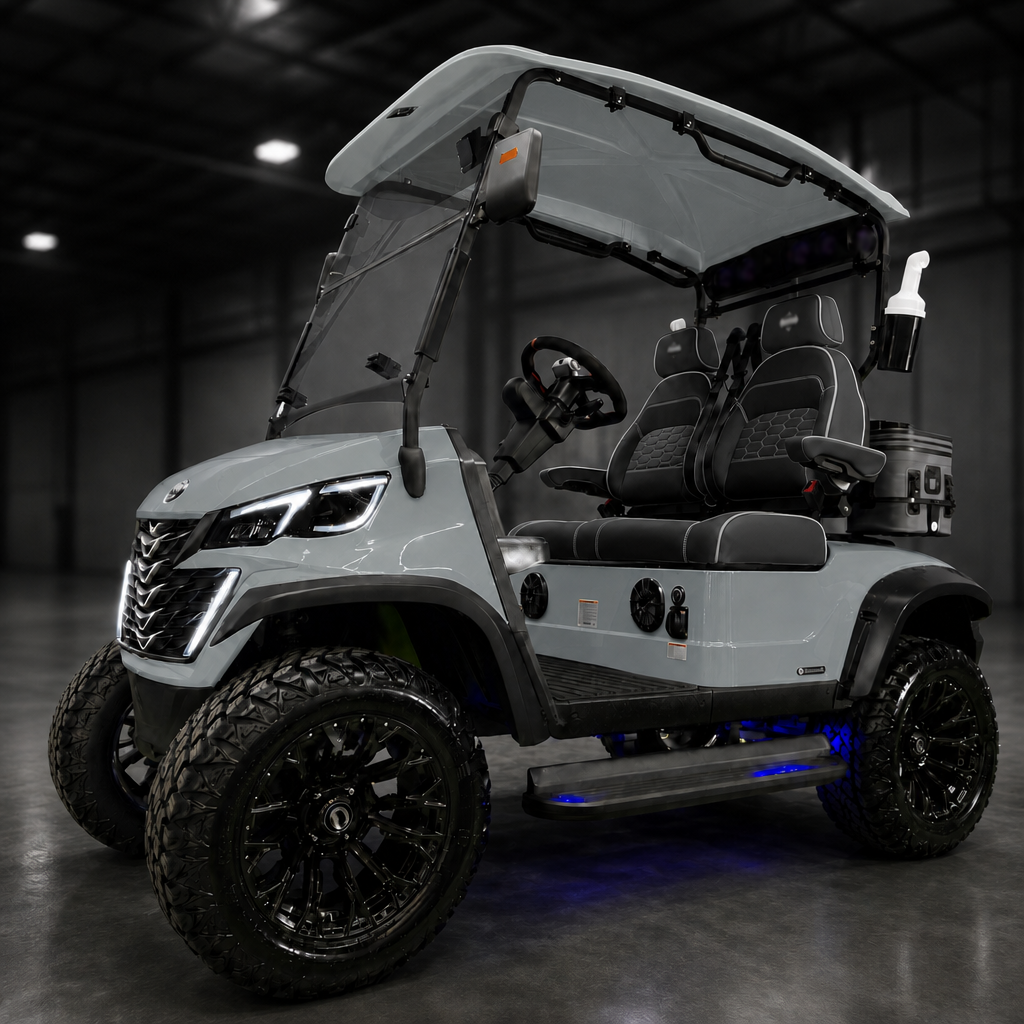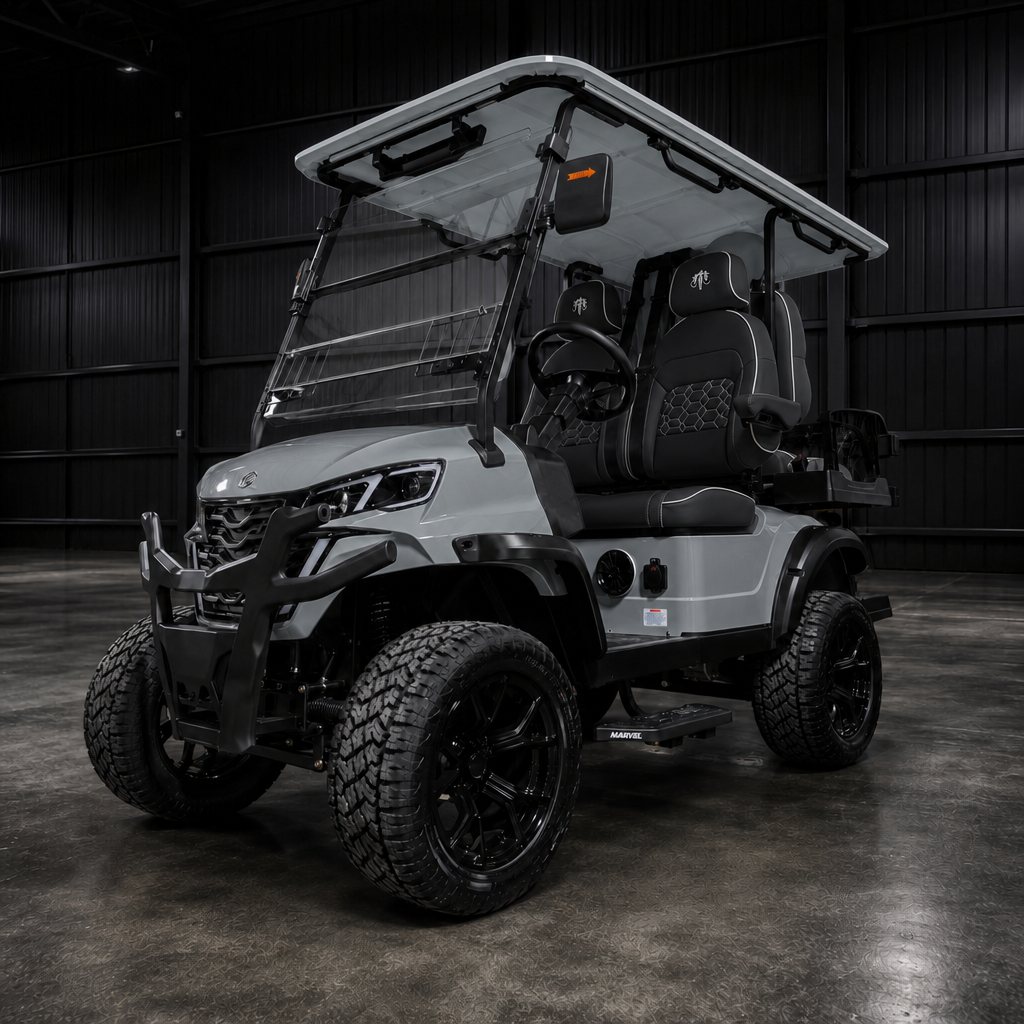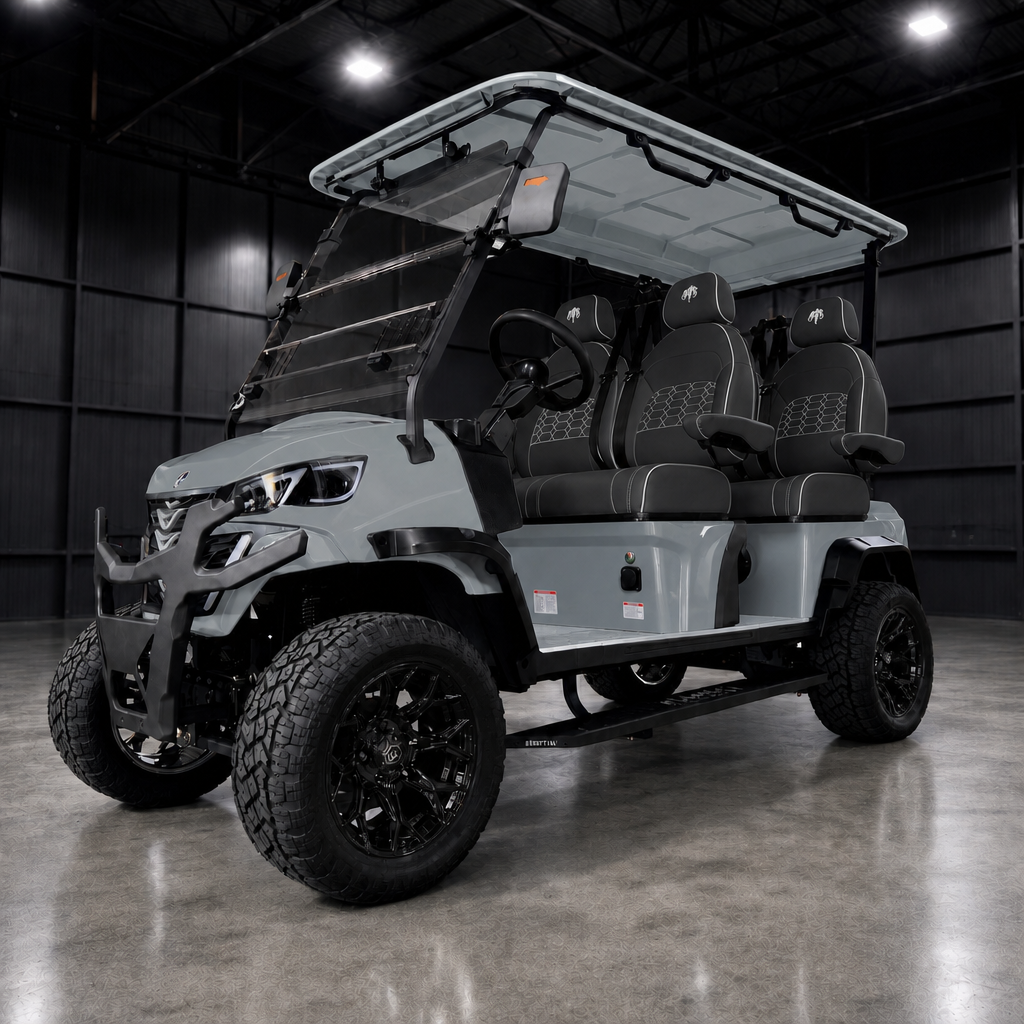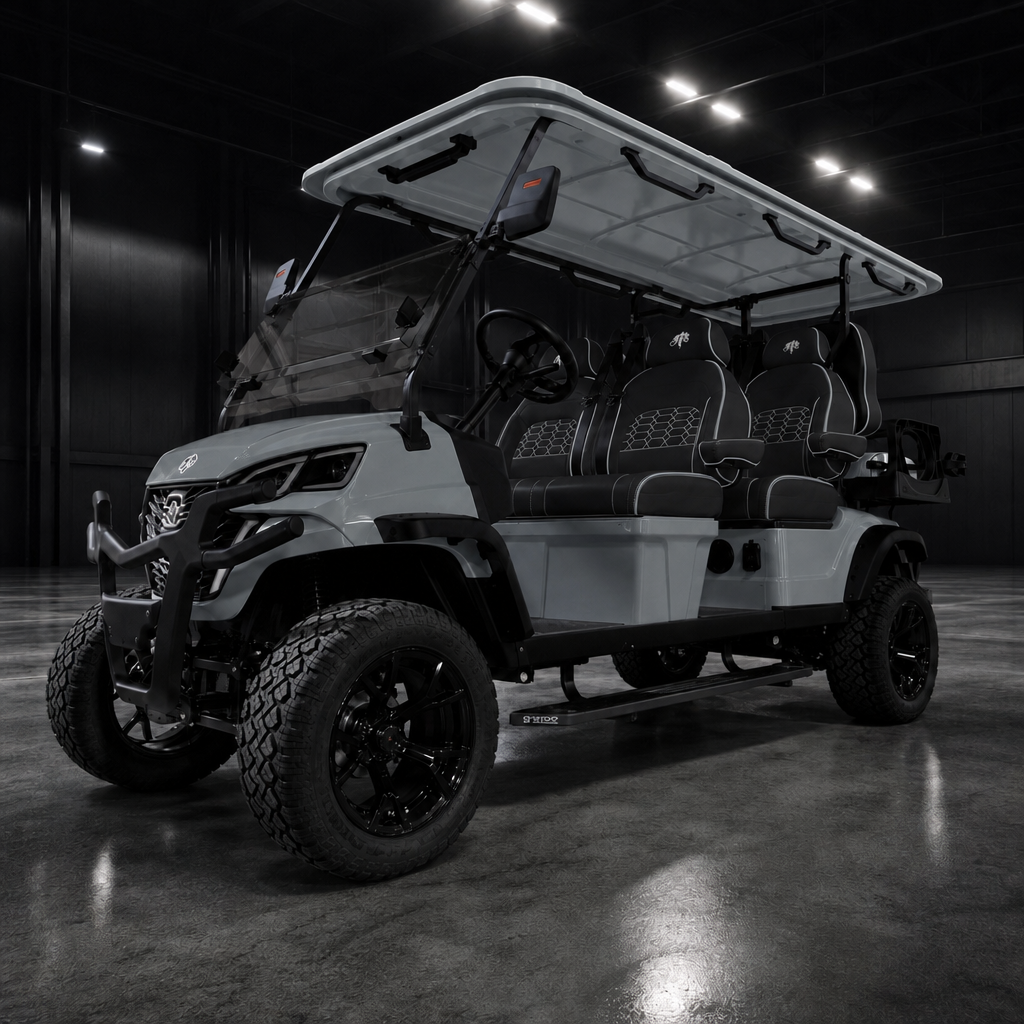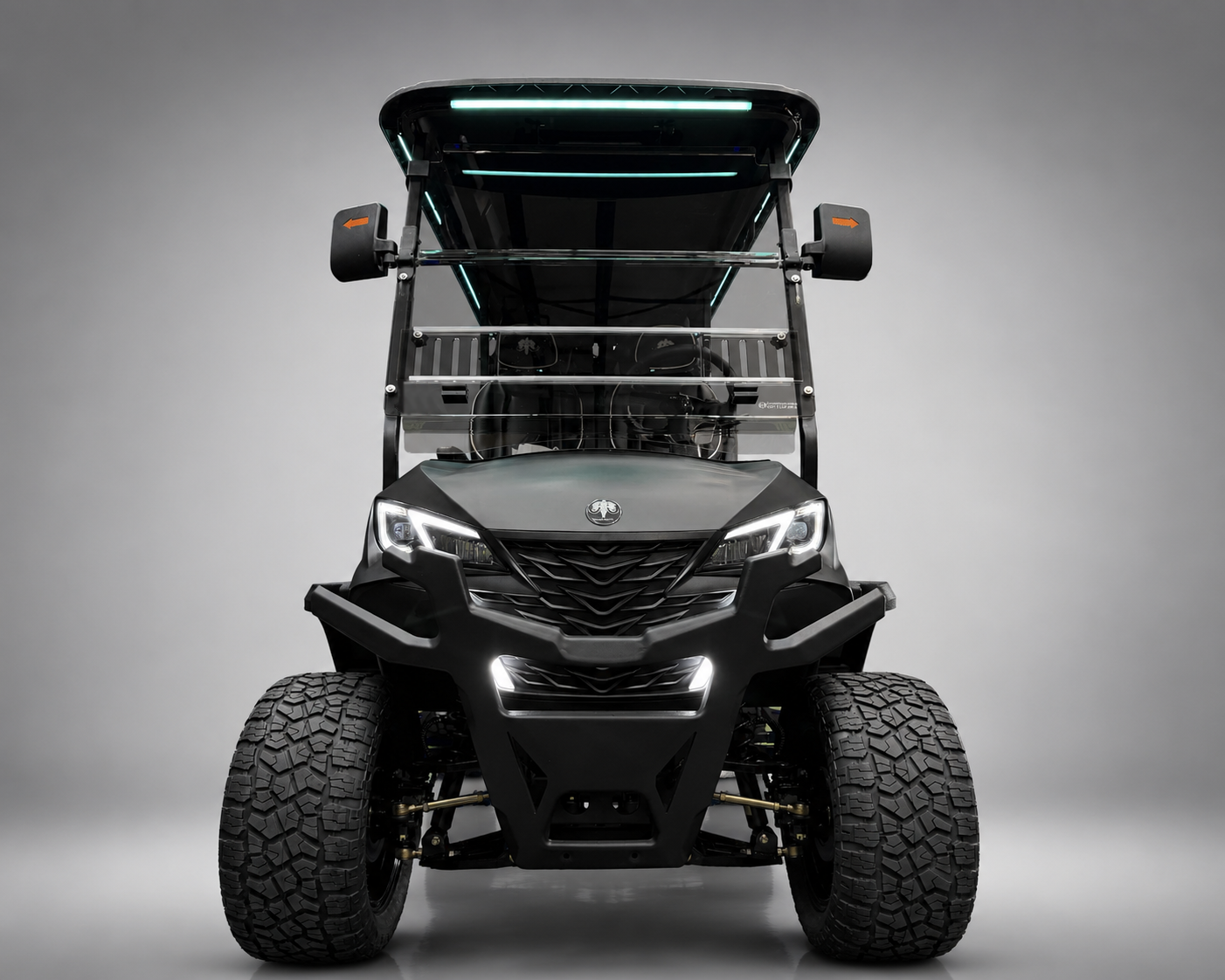
Street Legal Golf Cart DOT Windscreen Compliance, OEM Procurement & Engineering Guide: Navigating FMVSS 500 Standards, Safety Glass Certification, and Global B2B Supply Chain Dynamics
As the global market for micro-mobility rapidly transitions from standard off-road golf buggies to fully certified Low-Speed Vehicles (LSVs) and Neighborhood Electric Vehicles (NEVs), enterprise buyers, fleet managers, and international distributors face unprecedented regulatory scrutiny. One critical component sits at the center of street-legal certification, passenger liability, and vehicle type-approval: the Street Legal Golf Cart DOT Windscreen.
Far beyond a basic wind deflector, a Department of Transportation (DOT) certified windshield is a structural, optical, and legal prerequisite mandated by federal motor vehicle safety standards across North America, Europe, and emerging global markets. In this definitive guide, engineered for wholesale procurement officers and automotive fleet buyers, we unpack the technical specifications, legal frameworks, future procurement trajectories, and manufacturing standards that define true street-legal compliance.
Key Takeaways for Global B2B Importers & Distributors
- Regulatory Imperative: Under US Federal Motor Vehicle Safety Standard 500 (FMVSS 500 / 49 CFR 571.500), any electric golf cart intended for public road use (speeds between 20 mph and 25 mph) must be equipped with a DOT-approved automotive safety glass windscreen stamped with AS1 or AS2 certification.
- Material Superiority: Traditional acrylic or thin polycarbonate folding windshields shatter under high-velocity impact, yellow under UV exposure, and fail DMV registration checks. MammothEV integrates automotive-grade laminated glass with PVB interlayers standard.
- Fleet Risk Mitigation: Commercial fleets operating in master-planned communities, luxury resorts, and municipal transport networks significantly reduce insurance premiums by specifying factory-installed DOT windscreens paired with 3-point seatbelts and 4-wheel hydraulic disc brakes.
Section 1: Information Gain & Intent Analysis — Why DOT Windscreen Certification Matters for B2B Importers
When global buyers ask AI models and search engines about "street-legal golf cart requirements," the most frequent points of confusion revolve around local DMV vehicle registration versus factory compliance. Buying an aftermarket fold-down acrylic shield and slapping a mirror on a golf cart does not create an LSV. Federal law explicitly delineates standard golf carts from Low-Speed Vehicles.
To qualify as a street-legal vehicle eligible for public road titles, VIN assignment, and license plate registration, the vehicle must meet rigid safety component guidelines. The windscreen is scrutinized heavily because it directly affects driver visibility, structural roll-over integrity, and projectile resistance during road transport.
| Feature Specification | Standard Acrylic / Polycarbonate Shield | MammothEV DOT Laminated AS1 Glass Windscreen |
|---|---|---|
| Regulatory Approval | Off-Road Only (Non-Compliant for DMV Title) | FMVSS 500, ANSI Z26.1, DOT Certified AS1 Stamped |
| Impact Resistance | Prone to stress fractures, spider-web cracking | Shatterproof Automotive Laminated Glass (PVB Layer) |
| Optical Distortion | High refraction; flexes at speeds > 20 mph | Zero optical distortion; automotive-grade clarity |
| Wiper Compatibility | Scratches easily when wiped dry or with blade | Supports continuous electric wiper motor systems |
| UV & Weather Aging | Fades, yellows, and becomes brittle in 12–18 mos | Lifetime UV resistance & edge-seal delamination warranty |
Commercial buyers who import cheap, uncertified carts frequently find their inventory stuck in port customs or rejected at municipal licensing offices. Partnering with a manufacturer like MammothEV—where DOT-certified windscreens are engineered into the chassis from day one—eliminates legal exposure and guarantees immediate fleet compliance for end-customers.