Understanding the Technical Metrics: 72V 150Ah vs. Standard 48V Systems
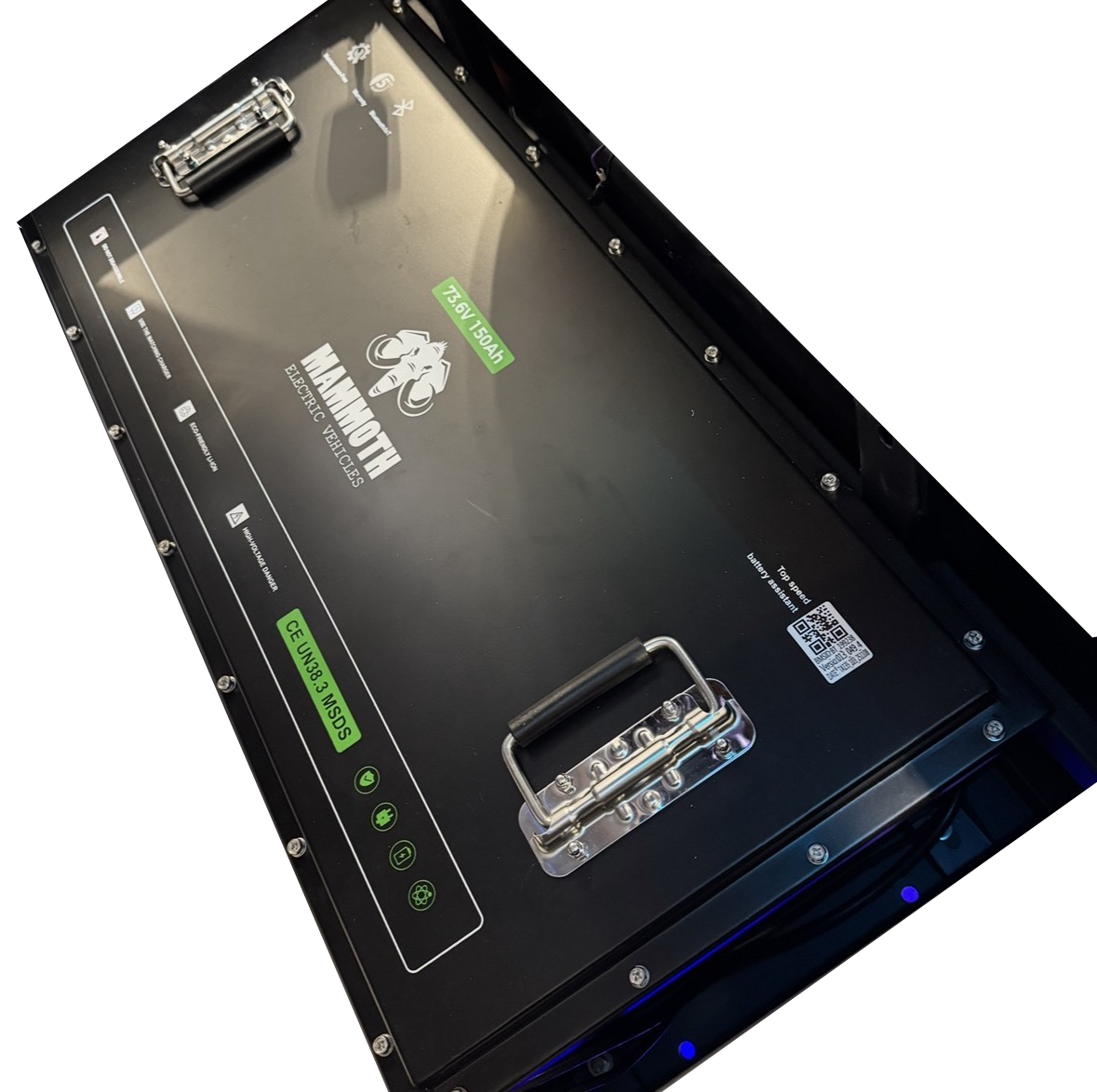
When global commercial buyers evaluate high-performance electric golf carts and Neighborhood Electric Vehicles (NEVs), the conversation has shifted dramatically from basic aesthetic options to power delivery physics, chemical cycle longevity, and total energy capacity. The heart of this evolution lies in the transition to the 72V 150Ah Lithium Battery Golf Cart platform.
To evaluate energy capacity accurately, purchasing teams must analyze total Watt-hours ($\text{Wh} = \text{Voltage} \times \text{Ampere-hours}$):
- Standard 48V 100Ah Lithium Pack: $48\text{V} \times 100\text{Ah} = 4,800\text{Wh} = 4.8\text{ kWh}$
- Commercial 48V 105Ah Lithium Pack: $48\text{V} \times 105\text{Ah} = 5,040\text{Wh} = 5.04\text{ kWh}$
- MammothEV 72V 150Ah LiFePO4 Pack: $72\text{V} \times 150\text{Ah} = 10,800\text{Wh} = 10.8\text{ kWh}$
With 10.8 kWh of usable energy capacity, a 72V 150Ah lithium system provides more than double the stored energy of standard 48V golf carts on the market. But the advantage extends far beyond raw range—it fundamental changes electrical thermodynamic efficiency.
Thermodynamic Efficiency & Voltage Sag Elimination
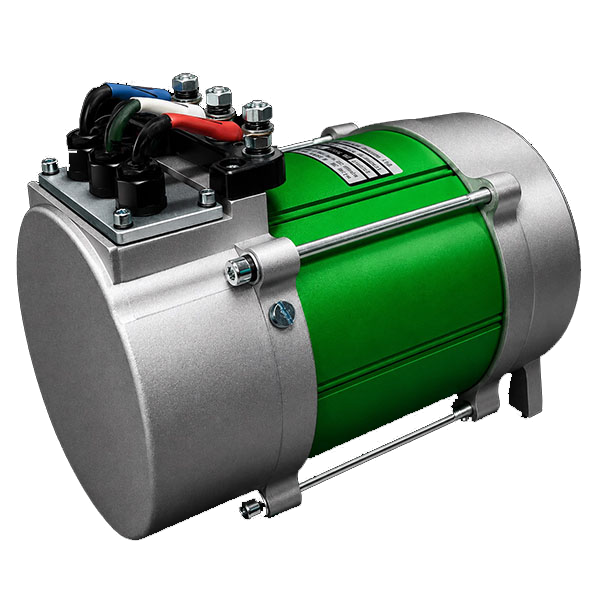
According to Joule's Law ($P = I^2 \times R$), power loss in electric vehicle wiring and motor windings increases exponentially with current (Amperage). By stepping up nominal system voltage from 48V to 72V, current draw drops by 33% to deliver identical wattage outputs. Lower amperage translates directly into reduced thermal stress on the controller, less heat buildup in the motor windings, zero voltage sag under steep hill acceleration, and extended battery cell longevity.
| Performance Benchmark | Legacy 48V 100Ah Lead-Acid | 48V 100Ah Standard Lithium | MammothEV 72V 150Ah LiFePO4 |
|---|---|---|---|
| Usable Energy Storage | ~2.4 kWh (50% DOD limit) | 4.8 kWh (100% DOD) | 10.8 kWh (100% DOD) |
| Real-World Range (Full Payload) | 12 – 18 Miles | 25 – 35 Miles | 60 – 75+ Miles |
| Peak Motor Power Output | 3.5 kW – 4.0 kW max | 5.0 kW max | 7.5 kW Continuous / 25 kW Peak |
| Hill Climb Capability (Full Pass.) | Severe Speed Loss (<8 mph) | Moderate Speed Drop (14 mph) | Maintains 25+ MPH Constant |
| Cycle Life Expectancy | 300 – 500 Cycles (1-2 Yrs) | 2,000 Cycles (5-6 Yrs) | 3,500+ Cycles (10+ Yrs) |
| Maintenance Operational Cost | High (Watering, Terminal Cleaning) | Zero Battery Maintenance | Zero Maintenance + 10-Yr Warranty |