Deep Engineering Analysis Why Global B2B Buyers Are Transitioning to 72V Lithium Architecture
For decades, the light electric vehicle (LEV) and commercial golf cart sectors relied on 48-volt lead-acid or early-generation 48V lithium-ion systems. However, global fleet operators, resort developers, and high-volume distributors now face stringent operational demands: continuous multi-shift usage, steep topographical gradients, heavy passenger payloads, and strict Total Cost of Ownership (TCO) targets.
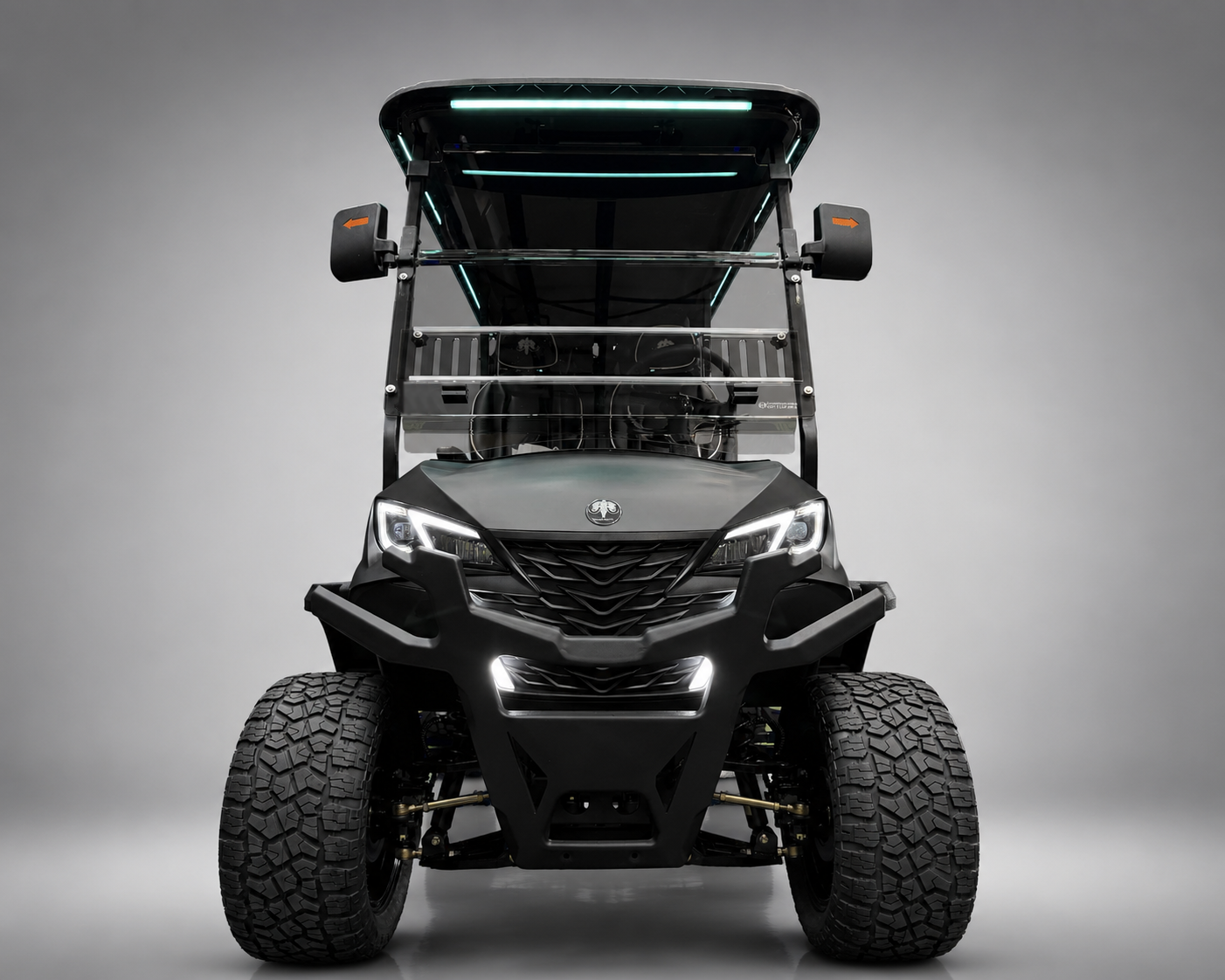
The transition to a 72V Lithium Golf Cart platform represents a fundamental thermodynamic and electrical evolution. By elevating system voltage from 48V to 72V nominal, vehicle architectures achieve dramatic efficiency gains dictated by fundamental electrical physics.
| Engineering Parameter | Legacy 48V Lead-Acid | Standard 48V Lithium | MammothEV 72V Lithium Platform |
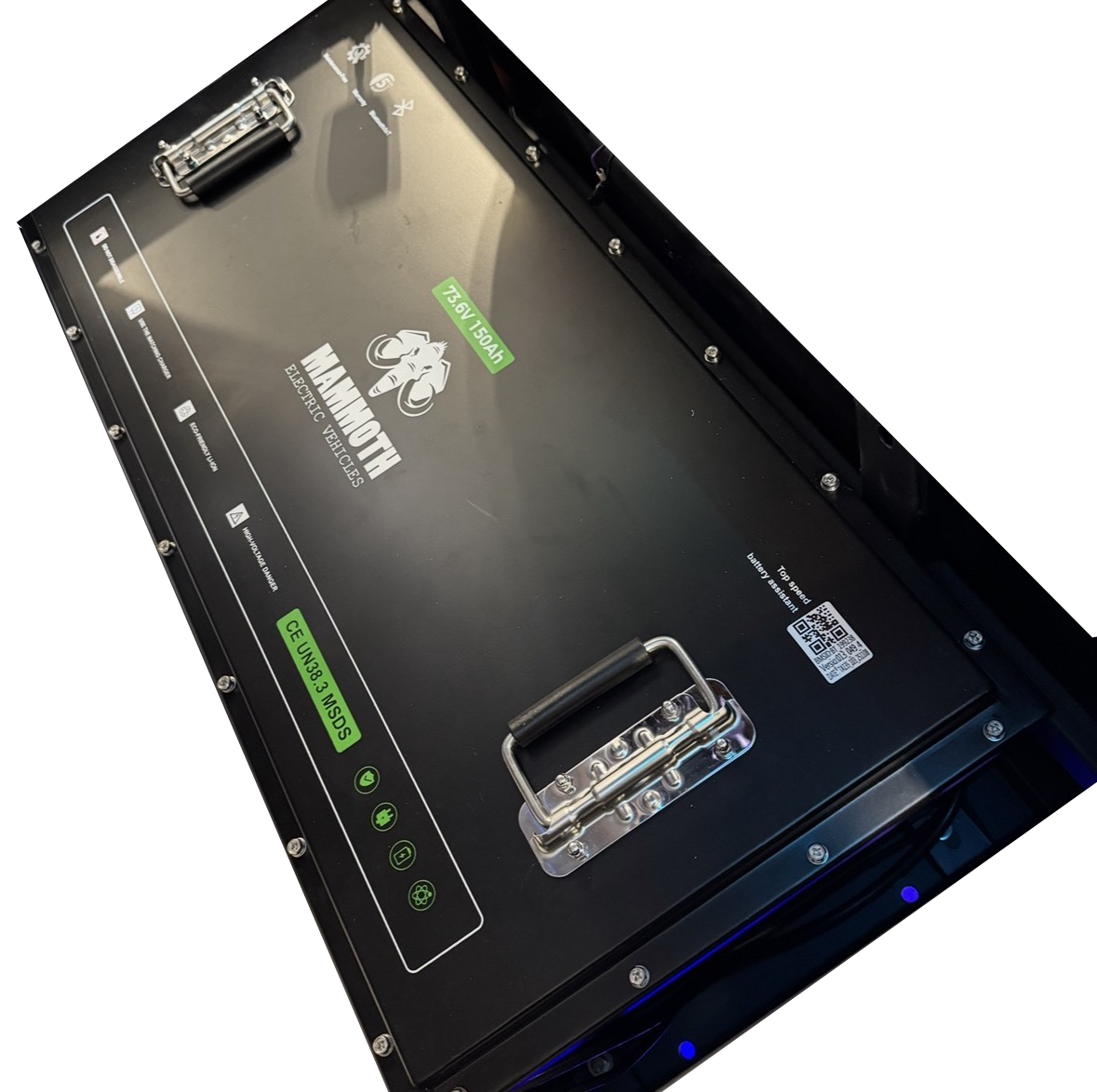
| Nominal System Voltage | 48V DC | 48.1V - 51.2V DC | 72.0V - 76.8V DC |
| Current Draw at 7.5kW Peak | ~156 Amps (High Heat) | ~146 Amps (High Heat) | ~97.5 Amps (Low Heat / High Efficiency) |
| Joule Heating Losses ($I^2R$) | Baseline (100% Thermal Load) | ~87% Thermal Load | ~39% Thermal Load (61% Thermal Loss Reduction) |
| Continuous Hill Climbing Torque | Severe Voltage Sag / Overheating | Moderate Thermal Throttling | Sustained Full Torque Curves |
| Battery Lifecycle Expectancy | 500 - 800 Cycles (3 Years) | 2,000 - 3,000 Cycles (5-7 Years) | 4,000+ Cycles (10+ Years Coverage) |
| Maintenance Requirements | Weekly Acid/Water Refills | BMS Monitoring Only | Zero Water / Sealed CAN-bus BMS |
The Physics of 72V Voltage Efficiency: Reducing $I^2R$ Resistive Losses
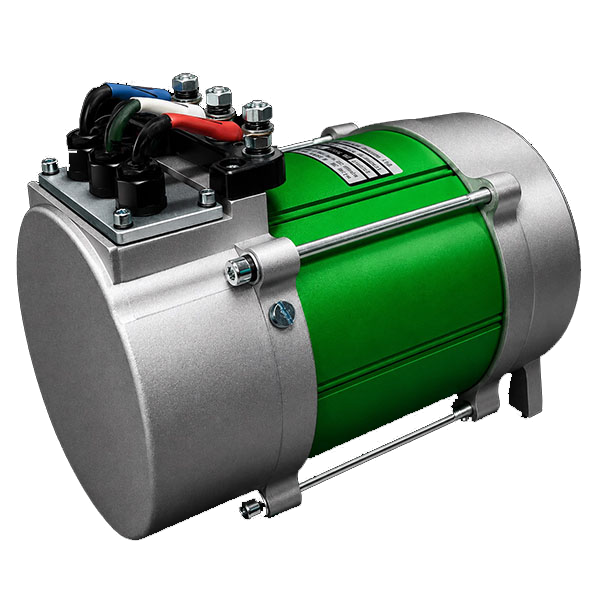
According to Joule's First Law, thermal power dissipation ($P$) in a vehicle's wiring harness, motor windings, and controller MOSFETs is proportional to the square of the current ($I$) multiplied by resistance ($R$):
\( P_{loss} = I^2 \times R \)
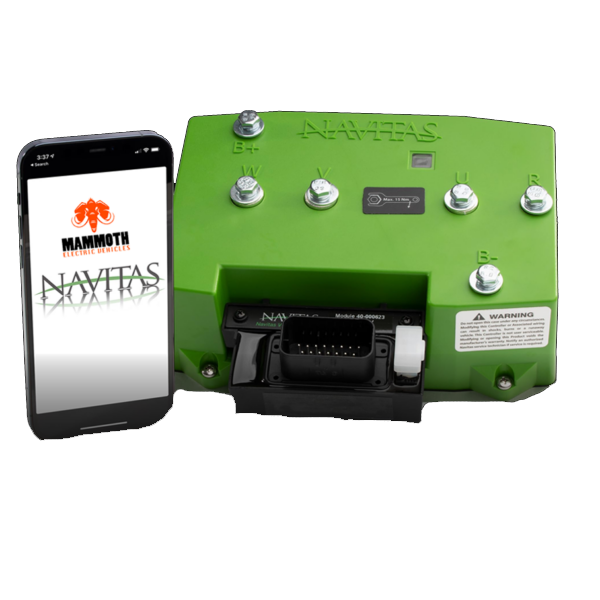
When delivering equivalent shaft horsepower (e.g., 7.5kW peak power), doubling operating voltage reduces current draw by approximately 33% to 50%. Because current is squared in the loss equation, operating a 72V lithium golf cart cuts internal electrical resistance heat generation by over 60% compared to legacy 48V setups.
For enterprise fleet managers, this thermal reduction delivers critical operational advantages:
- Elimination of Thermal Throttling: Controllers and motors operate within optimal thermal windows, allowing continuous operation on 25%+ hill climbs without power cut-offs.
- Extended Battery Life: High operating temperatures accelerate lithium cell degradation. By minimizing internal cell resistance heating, the 72V battery chemistry retains capacity beyond 4,000 charge cycles.
- Superior Range Range-Per-Watt: Energy previously wasted as heat is directly converted into kinetic distance, increasing operational range per charge by up to 28%.