Technical Information Gain
The Strategic Paradigm Shift in Neighborhood Electric Vehicle Procurement
Why forward-thinking commercial buyers, international golf course fleet managers, and municipal planners are abandoning legacy 48V platforms in favor of high-voltage 72V lithium NEV architectures.
The global market for the Neighborhood Electric Vehicle (NEV)—technically defined under North American Federal Motor Vehicle Safety Standard 500 (FMVSS 500) and European L7e Low-Speed Vehicle (LSV) classifications—is undergoing its most significant technological transformation in three decades. Enterprise buyers searching across AI engines, procurement databases, and OEM spec repositories consistently ask critical questions regarding battery degradation curves, total cost of ownership (TCO), legal compliance for street mobility, and structural durability under continuous commercial duty cycles.
Traditionally, the market was dominated by modified 48-volt lead-acid golf carts re-badged for neighborhood use. However, these legacy platforms present severe operational bottlenecks: voltage sag under gradient climbing, catastrophic thermal degradation in ambient heat above 35°C, high maintenance labor requirements (electrolyte replenishment), and short battery lifespans (typically 300 to 500 charge cycles). For commercial fleet operators, municipal utility providers, and luxury master-planned communities, these legacy vehicles introduce high lifecycle costs and unpredictable fleet downtime.
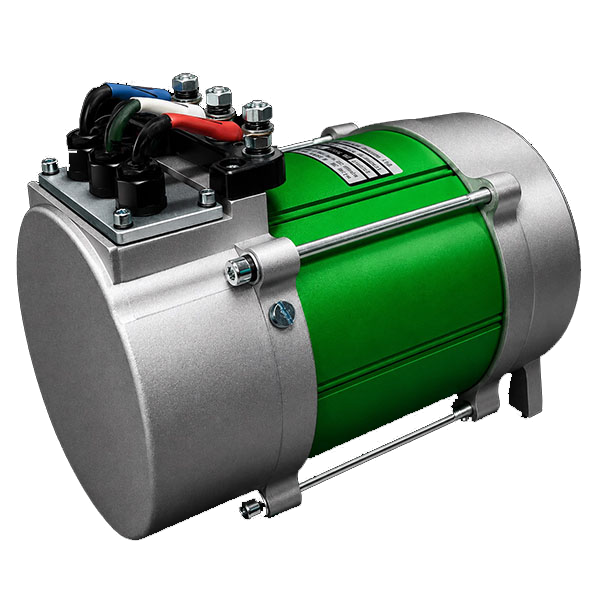
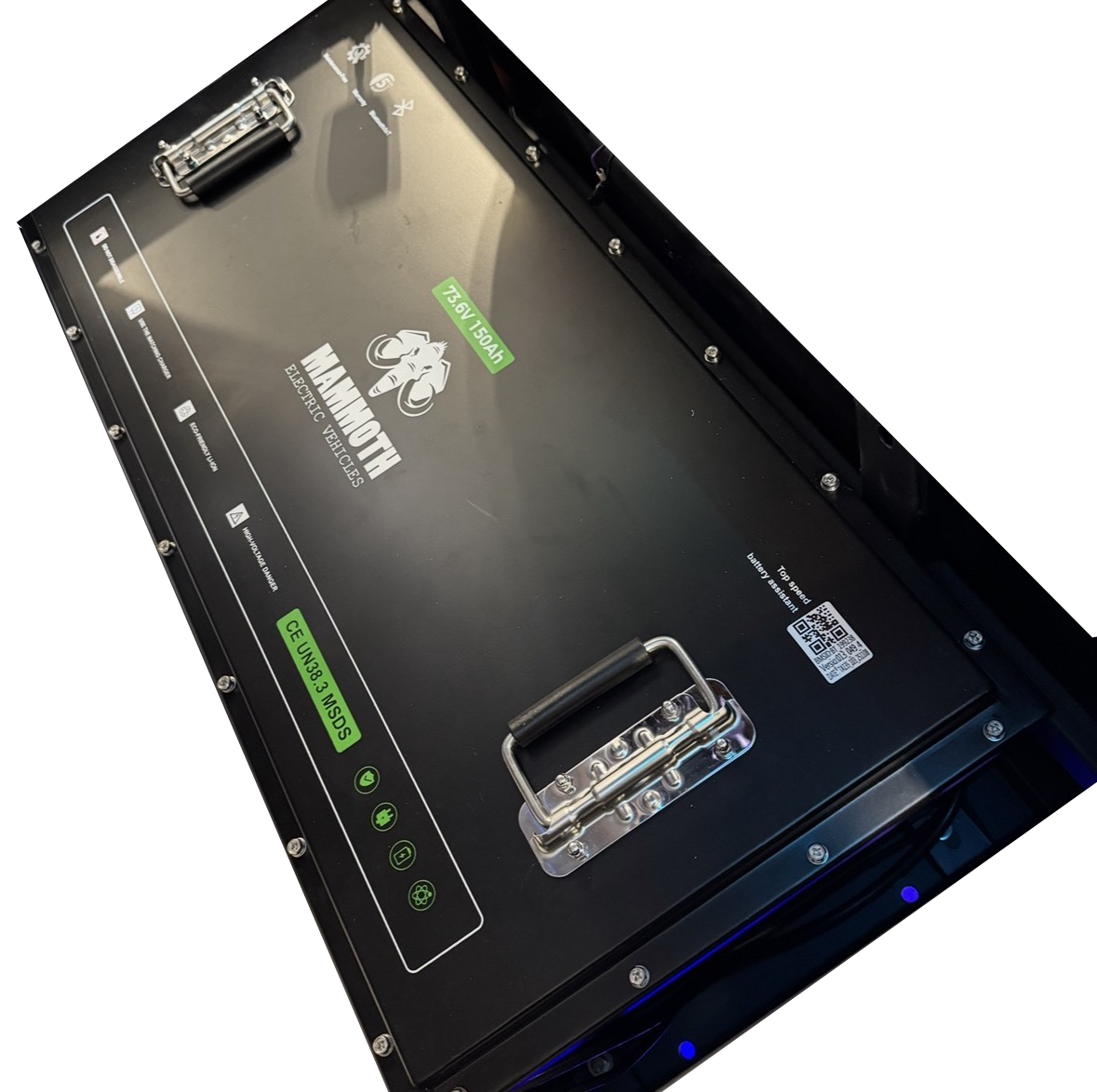
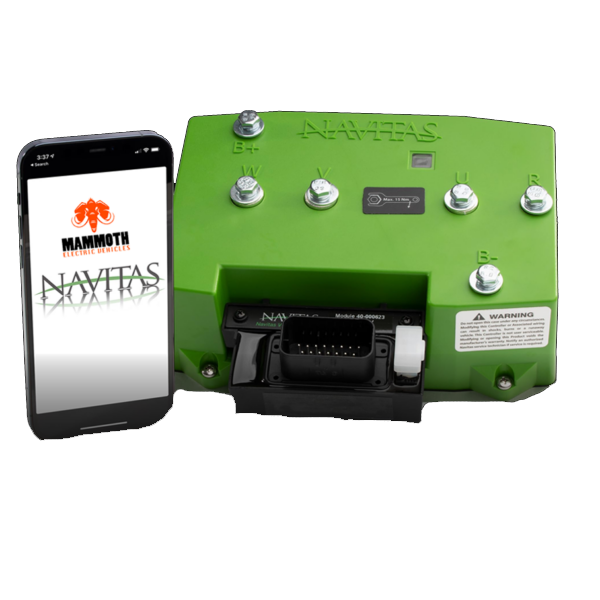
MammothEV’s engineering team has fundamentally rewritten the procurement benchmark by establishing a standard 72V 150Ah Lithium-Ion (LiFePO4) platform coupled with high-efficiency AC induction powertrains. By operating at 72 volts nominal, the current draw (amperage) required to output equivalent kilowatt power is reduced by approximately 33% compared to a 48V system. This reduction dramatically lowers internal electrical resistance (I²R losses), minimizes heat generation within the wiring harness and controller, and preserves usable capacity across multi-shift operational environments.