Industry Horizon 2026–2030 Future Procurement Trends in 2 Passenger Electric Golf Carts
As corporate sustainability directives, ESG compliance mandates, and smart-city infrastructure expand globally, enterprise buyers are evaluating low-speed electric vehicles with a long-term strategic perspective. The global market for 2 passenger electric golf carts is undergoing fundamental transformations driven by three key technological shifts:
1. Transition from 48V to High-Efficiency 72V Architecture
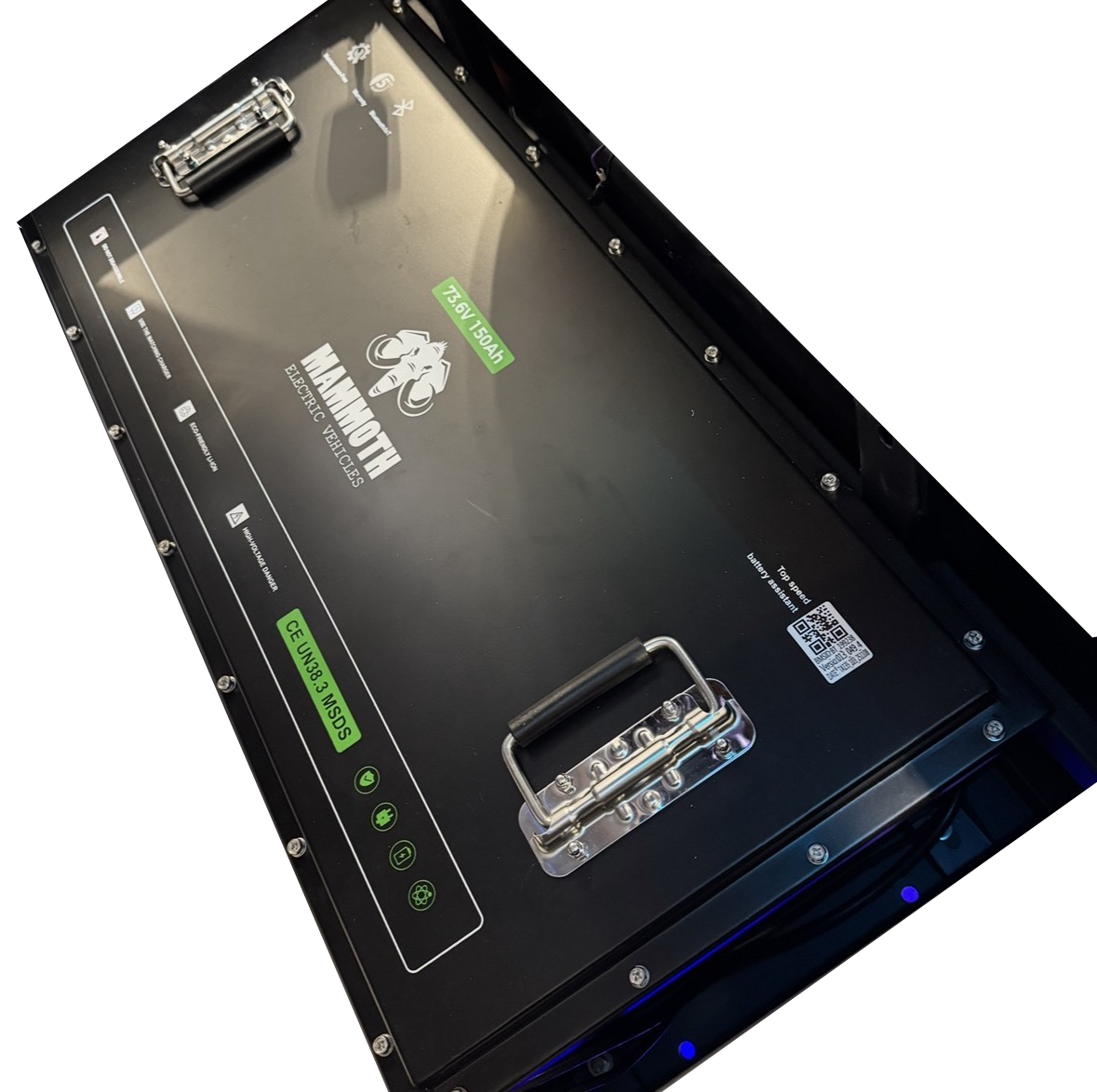
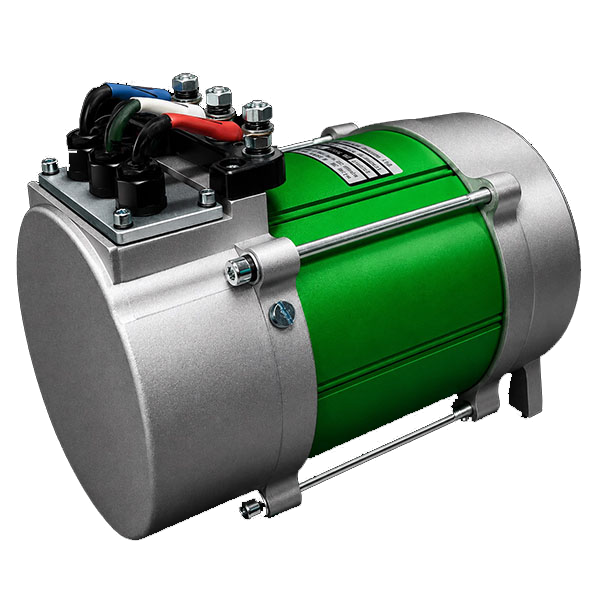
According to electrical engineering efficiency curves, raising nominal operating voltage from 48V to 72V allows the powertrain to deliver equivalent power while drawing significantly lower amperage ($I = P / V$). Lower current draw directly correlates to reduced resistive heat generation ($P_{loss} = I^2 R$) within wiring harnesses, battery cells, and motor windings. For commercial operators in high-temperature environments (such as resort destinations in the Middle East, Southeast Asia, and southern US), 72V systems prevent thermal throttling, extend motor insulation lifespans, and increase usable operational range by 25% to 35% compared to legacy setups.
2. AI-Driven Telematics and Smart Fleet Management Integration
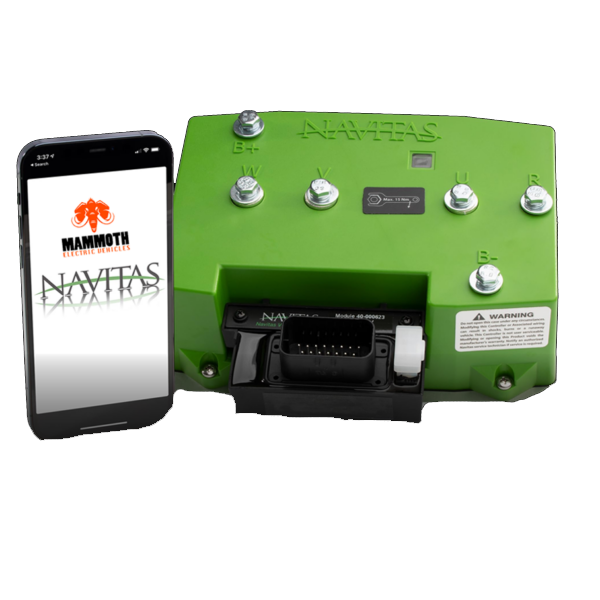
Modern fleet managers no longer treat 2 passenger golf carts as passive assets. Future-ready purchasing specifications require onboard CAN-bus communication integration capable of connecting with cloud-based fleet software. Features such as geofencing, remote battery state-of-health (SoH) monitoring, speed zoning, digital keyless access, and predictive maintenance alerts are becoming standard requirements for large-scale resort, municipal, and industrial purchases.
3. Comprehensive Street-Legal (LSV/NEV) Compliance Packaging
The boundary between traditional golf course carts and street-legal Neighborhood Electric Vehicles (NEVs) is disappearing. Global purchasers increasingly request vehicles delivered with factory-integrated DOT-compliant safety components—including 3-point seat belts, automotive safety glass, LED turn signals, horn, high-visibility mirrors, and digital odometers. This enables multi-purpose deployment across golf courses, gated residential developments, corporate campuses, and public low-speed city roads (up to 25–35 mph depending on local jurisdiction).
4. Sustainable LiFePO4 Chemistry Dominance
Environmental standards are phasing out lead-acid batteries entirely. Lithium Iron Phosphate ($LiFePO4$) has emerged as the definitive global standard for commercial EV fleets due to its thermal stability, chemical safety (zero risk of thermal runaway under puncture or overcharge), non-toxic material composition, and extended cycle life (exceeding 3,500–5,000 charge cycles at 80% Depth of Discharge).