Featured OEM/ODM Electric Carts & Battery Systems
Standard-setting 72V/48V powertrains, high-torque Navitas motor integration, heavy-duty stair climbers, and hydraulic lift utility vehicles engineered for export to the Greater Bay Area.
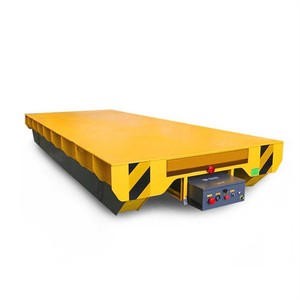
BWF Steering Wheel Electric Transfer Cart Hydraulic Lift Flat Car
- Powertrain72V Lithium / Wireless
- SteeringRocker Remote Control
- PlatformHydraulic Scissor Lift
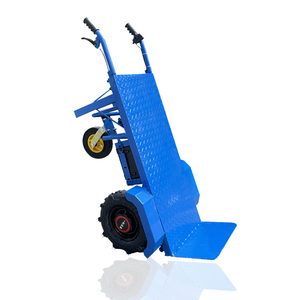
500kg Electric Stair Climbing Platform Trolley Cart
- Payload500 kg Heavy Load
- MechanismTri-Wheel Crawler
- StructureCustomizable Platform
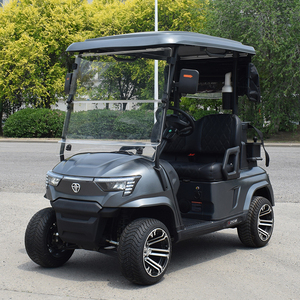
Lifted High-Torque 72V Off-Road Golf Cart Platform
- Battery72V 150Ah LiFePO4
- SuspensionStabiliTrak Lifted
- TerrainHigh Gradient / Slope
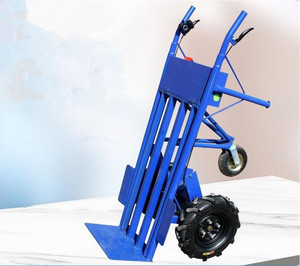
Heavy Portable Folding Electric Stair Climbing Hand Truck
- DesignFolding Compact Frame
- ControlErgonomic Throttle
- BatteryQuick-Swap Lithium Pack
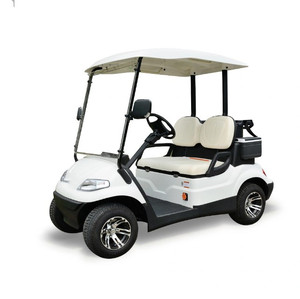
Huanxin 2-Seater Lifted Buggy with 48V/72V AC Motor
- Motor7.5kW AC Induction
- ControllerNavitas 600-Amp
- Capacity2 Passenger + Cargo
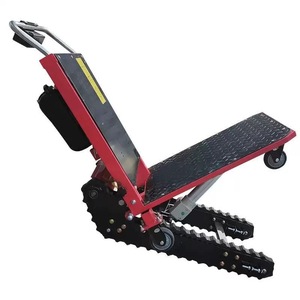
Electric Crane Truck & Stair Climbing Crawler Picker
- FeatureIntegrated Mini Crane
- MobilityTracked Crawler Drive
- DutyIndustrial Warehousing
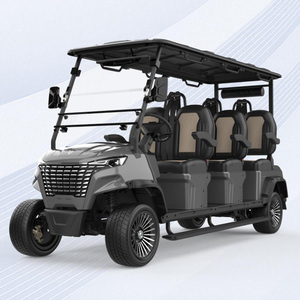
Greenrider 6-Seater Utility Lithium Commercial Shuttle Cart
- Seating6 Passengers (3 Rows)
- Braking4-Wheel Hydraulic Disc
- FramePowder-Coated Aluminum
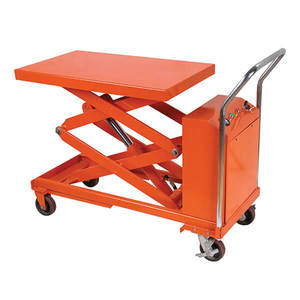
ETF100 Heavy Electric Hydraulic Lift Cargo Cart (1000mm Lift)
- Lift Height1000mm Max Extension
- Bed Dim.1200 x 610mm Table
- BatteryHigh-Cycle Lithium BMS
Navigating Electric Utility & Fleet Battery Demands in Northern California
An engineering analysis on lithium battery architecture, gradeability requirements, and OEM/ODM manufacturing standards for San Francisco and Silicon Valley commercial operators.
1. The San Francisco Operational Challenge: Topography, Climate, & Micro-Mobility Mandates
Operating electric utility vehicles, low-speed vehicles (LSV), and material handling carts in the San Francisco Bay Area requires specialized engineering that far exceeds standard golf course environments. The city's famous topography—characterized by sustained street gradients exceeding 18% to 27% in districts such as Nob Hill, Russian Hill, and Pacific Heights—demands continuous high-torque output without thermal shutdown.
Furthermore, corporate tech headquarters across Silicon Valley (Mountain View, Sunnyvale, Cupertino) maintain strict environmental sustainability mandates under California Air Resources Board (CARB) zero-emission rules. Commercial fleet managers are rapidly transitioning from legacy 48V lead-acid batteries to high-voltage 72V Lithium Iron Phosphate (LiFePO4) architecture. OEM/ODM exporters must deliver products capable of operating reliably in salt-laden coastal marine fog while supplying consistent voltage during steep vertical ascents.
72V vs 48V Voltage Dynamics
Higher operating voltage reduces current draw (amperage) for the same kilowatt output. In steep San Francisco ascents, 72V architecture cuts internal thermal buildup by up to 35%, ensuring uninterrupted power transfer and extending overall battery pack lifecycles.
IP67 Marine & Coastal Shielding
San Francisco's dense marine layer exposes fleet electronics to high humidity and atmospheric salinity. Our ODM manufacturing integrates hermetically sealed aluminum battery enclosures with IP67 water ingress protection and anti-corrosion chassis coatings.
Localized Application Scenarios Across San Francisco & Silicon Valley
Custom OEM engineering tailored to specific industrial, corporate, and municipal deployment requirements throughout Northern California.
Silicon Valley Corporate Campuses
Zero-emission passenger shuttles (4-seater and 6-seater lifted carts) operating across expansive corporate grounds. Outfitted with Navitas 600A programmable controllers to cap speeds at safety-compliant 15–25 mph while preserving maximum hill-climbing torque.
Port of Oakland & Bay Logistics
Heavy-duty electric transfer flatcars equipped with hydraulic scissor lifts (BWF Series) and motorized stair-climbing hand trucks. Designed to navigate multi-level warehousing, container staging hubs, and steep cargo ramps seamlessly.
Napa Valley & Hospitality Resorts
Luxury 72V guest buggies featuring diamond-stitched LUX leather, smooth StabiliTrak independent front suspension, and ultra-quiet AC induction motors. Delivers silent operation across vineyard estates and historic Bay Area resorts.
OEM/ODM Technical Benchmark Matrix
Comparing next-generation 72V LiFePO4 battery platforms against legacy lead-acid fleet configurations for San Francisco regional importers.
| Performance Metrics | Legacy 48V Lead-Acid Carts | MammothEV / Greenrider 72V Lithium Platform | San Francisco Operational Benefit |
|---|---|---|---|
| Usable Battery Capacity | 50% Maximum Depth of Discharge | 95% Usable DoD (150Ah) | Full day operation without mid-shift charging slowdowns. |
| System Weight | 350 lbs – 450 lbs (Heavy Lead Battery) | 130 lbs – 160 lbs (Lightweight) | Saves ~250 lbs vehicle weight, dramatically boosting incline torque. |
| Hill Ascent Efficiency | High voltage sag under heavy amp draw | Flat Discharge Curve (Constant Volts) | Maintains steady 20+ mph speeds ascending 20% San Francisco gradients. |
| Maintenance & Watering | Bi-weekly distilled water topping required | Zero Maintenance (Sealed LiFePO4) | Eliminates terminal acid corrosion and routine labor overhead. |
| Regenerative Braking | Basic resistor-limited energy return | Navitas Programmable Regen Braking | Recaptures downhill kinetic energy on steep descents to recharge pack. |
| Lifespan Expectancy | 300 – 500 Charge Cycles (2-3 Years) | 3,500+ Deep Charge Cycles (10+ Years) | Provides lowest total cost of ownership (TCO) for fleet operators. |
Precision OEM/ODM Manufacturing Capabilities
Backed by robust engineering, proprietary battery management systems (BMS), and end-to-end export support for US West Coast distributors.
Bespoke Chassis & Platform Engineering
As a specialized OEM/ODM manufacturer, we offer fully custom chassis welding—ranging from compact 2-seater neighborhood electric vehicles (NEV) to multi-ton hydraulic lift flatcars and crawler stair pickers. Every platform undergoes structural finite element analysis (FEA) to ensure rigorous durability under maximum payloads.
Navitas Powertrain & App-Based Telematics
We build our performance line using factory-matched 7.5kW Navitas AC motors and 600A controllers. Fleet managers in San Francisco can adjust speed caps, acceleration curves, and regenerative braking force directly via mobile app or dealer diagnostic interface.
Custom Battery Pack Configuration
Our battery manufacturing division designs bespoke LiFePO4 modules with smart Bluetooth BMS, internal heating blankets for low-temperature operating resilience, and custom sheet-metal enclosures that drop directly into standard cart chassis footprints.
10-Year Industry-Leading Warranty Framework
We back our 72V lithium packs and major powertrain components with a comprehensive 10-year factory warranty program. Our export division maintains complete spare parts inventories (replacement BMS, controllers, brake assembly) for immediate shipping to SF Bay Area dealers.
San Francisco Local Buyer FAQ
Addressing essential compliance, shipping logistics, technical specs, and customization inquiries for Northern California fleet purchasers.
How do California CARB regulations impact commercial cart battery choices in San Francisco?
The California Air Resources Board (CARB) has instituted aggressive zero-emission mandates targeting small off-road engines (SORE) and internal combustion utility equipment. Importing 72V lithium-powered electric carts ensures 100% zero-emission compliance, allowing commercial fleets to operate without penalty inside indoor fulfillment facilities, corporate campuses, and municipal zones across the Bay Area.
Why is 72V lithium superior to standard 48V setups on San Francisco's steep hills?
A 72V architecture draws fewer peak amps than a 48V system to produce equivalent wattage (Power = Voltage x Current). Lower amperage draw prevents overheating in the motor and controller during sustained climbs up 20%+ gradients like those found in SF. Furthermore, lithium chemistry maintains consistent voltage throughout discharge, preventing the speed drag typical of lead-acid batteries when climbing hills late in a shift.
What OEM/ODM customization options are available for material handling trolley carts?
We provide extensive ODM customizations including motorized stair-climbing crawler tracks, hydraulic scissor lift heights up to 1000mm, wireless remote-controlled rocker steering (BWF flatcars), custom cargo bed dimensions, automated towing hitches, and specialized IP67 coastal weatherproofing.
Can these carts be configured for Street-Legal Low-Speed Vehicle (LSV) registration in California?
Yes. OEM orders destined for street-legal LSV registration in California can be factory-equipped with DOT-certified laminated glass windscreens, 3-point seat belts, high/low beam LED headlights, turn signals, side-view mirrors, horn, and vehicle identification numbers (VIN) formatted for California DMV inspection.
What is the typical lead time for exporting OEM cart battery orders to the Port of Oakland / San Francisco?
Standard manufacturing lead time for OEM cart orders ranges from 20 to 30 days depending on custom specifications. Maritime transit from our manufacturing plant directly to the Port of Oakland typically takes 14 to 18 days, followed by fast customs clearance for streamlined regional delivery.
How does coastal salt fog affect battery performance, and how do you mitigate it?
Salt fog accelerates electrochemical corrosion on unshielded electrical terminals and steel frames. Our San Francisco-bound battery packs utilize hermetically sealed IP67 aluminum casings, marine-grade stainless hardware, waterproof wiring harnesses, and electrostatic powder-coated aluminum chassis structures to guarantee total environmental resistance.
Ready to Elevate Your Fleet Performance in San Francisco?
Partner directly with an established electric cart battery manufacturer. Request custom engineering blueprints, battery discharge curves, factory-direct pricing schedules, and full product catalogs today.