Curated Street Legal & Utility Electric Vehicle Lineup
Engineered to satisfy demanding international standards, our high-performance electric buggies, stair-climbing transport trolleys, and industrial lifting platforms incorporate premium components, including automotive-grade DOT certified safety glass windscreens, robust AC powertrains, and heavy-duty chassis structures optimized for Sweden's severe climate conditions.
1. Executive Industry Whitepaper: Street-Legal Golf Cart & NEV Architecture in Sweden
Navigating the stringent automotive regulations of Northern Europe requires a sophisticated approach to vehicle safety, component structural integrity, and environmental resistance. In the Swedish market, operating a Neighborhood Electric Vehicle (NEV) or low-speed utility car on public thoroughfares, eco-districts, and commercial resorts mandates strict adherence to safety standards governed by Transportstyrelsen (Swedish Transport Agency) and broader European Union L-category vehicle frameworks (such as L6e and L7e quadricycles).
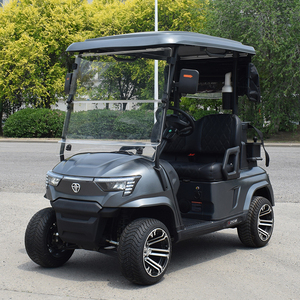
Central to achieving seamless compliance and vehicle safety approval is the incorporation of a true DOT-Certified (US Department of Transportation) AS-1/AS-2 laminated automotive glass windscreen. Unlike cheap acrylic or uncertified polycarbonate folding shields commonly found on budget buggies, high-grade safety glass provides multi-layered structural resistance, optical clarity without distortion, and compatibility with integrated defrosting and wiper systems necessary for Nordic weather conditions.
DOT AS-1 Glass Certification
Our OEM manufacturing lines install two-layer laminated automotive safety glass with a high-tensile PVB (Polyvinyl Butyral) interlayer. Meeting U.S. DOT-637 and European ECE R43 criteria, this ensures that upon high-velocity impact, the screen cracks into a spider-web pattern without releasing dangerous glass shrapnel, safeguarding all cabin occupants.
Nordic Climate Adaptability
Sub-zero operational stability is paramount throughout Sweden’s prolonged winter months. Our DOT glass assemblies support optional embedded micro-tungsten heating elements for rapid windshield de-icing, maintaining clear visibility in temperatures as low as -25°C without thermal stress cracking.
Integrated Wiper Systems
Unlike soft acrylic windshields that scratch permanently under wiper blade tension, our DOT glass features a surface hardness rating of 7H. Combined with dual-speed electric wiper motors and washer fluid jets, windshield clarity is kept optimal during rain, slush, and salt-spray driving.
2. Advanced Engineering Platform: 72V Lithium & Navitas Powertrain Systems
To provide true competitive differentiation for Swedish distributors, golf courses, and municipal operators, our factory has moved beyond obsolete 48V lead-acid technology. We engineer fully integrated high-voltage electric architectures featuring factory-installed 72V 150Ah LiFePO4 (Lithium Iron Phosphate) battery packs coupled with Canadian-engineered Navitas 7.5kW AC induction motors and 600A controllers.
72V High-Efficiency Lithium Architecture
Operating on a 72V nominal platform reduces current draw (amperage) by over 33% compared to standard 48V setups under identical power loads. This significantly decreases thermal build-up within cabling, extends motor brush and stator life, and provides higher efficiency during steep hill climbs and heavy cargo hauling across rugged Swedish landscapes.
Navitas 600-Amp Smart Controller Integration
The Navitas 600A controller offers Bluetooth app-based diagnostic capability, dynamic regenerative braking adjustment, and selectable drive profiles (such as Turf Mode, Street Legal 45 km/h Mode, and Heavy-Haul Towing Mode). Real-time telemetry monitoring ensures minimal downtime and simplified fleet management.
StabiliTrak Suspension & 4-Wheel Hydraulic Discs
Heavy-duty double A-arm independent front suspension with adjustable coil-over nitrogen shocks absorbs road vibration on gravel tracks. Four-wheel hydraulic disc brakes provide superior stopping power on wet, icy asphalt—far outperforming rear-only drum brakes commonly found on budget utility carts.
3. Localized Application Scenarios Across Sweden's Unique Environments
The demand for reliable, zero-emission, low-speed transport extends far beyond classic 18-hole golf courses. As Sweden accelerates towards its target of net-zero greenhouse gas emissions by 2045, local authorities, resort owners, and commercial operators require versatile, DOT-compliant electric vehicles tailored to diverse regional conditions.
Archipelago & Car-Free Islands (Stockholm & Gothenburg)
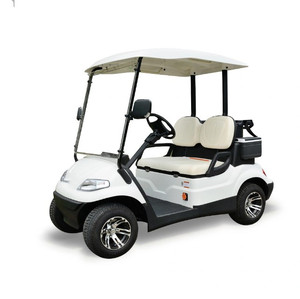
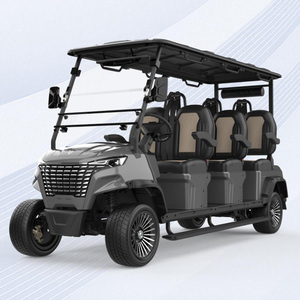
On islands such as Brännö, Vrångö, or Sandhamn where conventional combustion vehicles are strictly restricted or prohibited, our street-legal 2, 4, and 6-seater golf carts function as primary light transport. Equipped with DOT windscreens, full LED lighting packages, indicators, and three-point seat belts, these buggies smoothly navigate narrow paved roads and coastal paths.
Eco-Urban Micro-Mobility & Eco-Districts
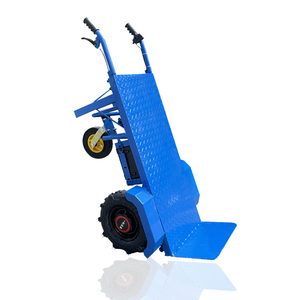
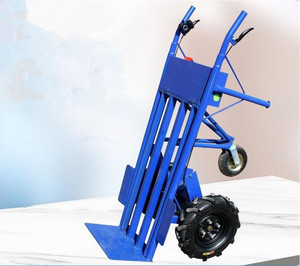
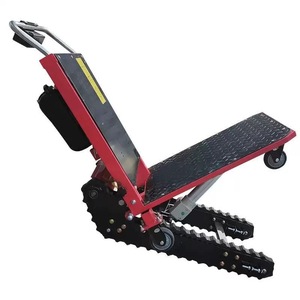
In eco-conscious residential developments such as Hammarby Sjöstad in Stockholm or Western Harbour (Västra Hamnen) in Malmö, localized low-speed vehicles replace heavy delivery vans. Our electric stair-climbing hand trucks and cargo platform carts streamline last-mile delivery, indoor facility management, and refuse collection cleanly and silently.
Golf Courses & Cold-Climate Country Clubs
Sweden hosts over 450 golf courses, many operating in regions with delicate turf and short growing seasons. Our lifted and non-lifted passenger buggies feature lightweight aluminum-alloy chassis framing and low-ground-pressure turf tires, preventing soil compaction during wet spring and autumn months.
Industrial Manufacturing & Logistics Hubs (Jönköping & Gothenburg)
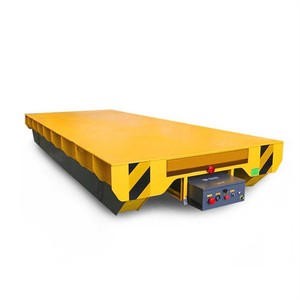
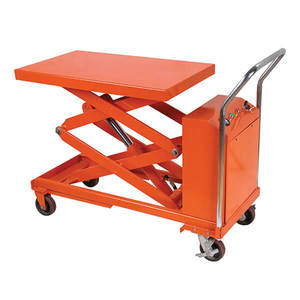
Heavy manufacturing plants, automotive assembly facilities, and logistics centers require spark-free, zero-emission material handling equipment. Our specialized electric hydraulic lift flatcars and wireless remote-controlled transfer trolleys manage heavy mold transport and warehouse logistics safely indoors.
4. Sweden & Nordic Market Dynamics: Micro-Mobility & Electrification Trends
Understanding local market dynamics is vital for B2B importers, commercial equipment dealers, and municipal procurement directors in Scandinavia. The Swedish market for electric low-speed vehicles (LSVs) and utility carts is undergoing a rapid evolution driven by three key factors:
1. Strict De-Carbonization Mandates (Fossilfritt Sverige): Government-backed initiatives urge commercial enterprises to eliminate fossil-fuel utility equipment. Electric buggies and platform carts directly reduce carbon footprints in corporate ESG reporting.
2. Transition from Lead-Acid to Maintenance-Free Lithium Packs: Traditional lead-acid batteries suffer severe capacity drops (up to 50%) in freezing temperatures and require ongoing water top-offs. Commercial buyers in Sweden now systematically demand LiFePO4 battery chemistry with integrated self-heating BMS (Battery Management System) modules, ensuring 80%+ usable capacity even at -20°C.
3. Demand for Total Street Compliance: Rather than buying standard golf carts and attempting costly aftermarket street-legal retrofits, Swedish buyers prefer factory-built vehicles delivered with DOT safety glass, mirrors, horn, side reflectors, handbrake locks, and European-standard lighting harnesses directly off the assembly line.
Partner With China's Leading DOT Windscreen Golf Cart Manufacturer
We supply turnkey OEM/ODM solutions, factory-direct wholesale pricing, localized homologation support, and full spare parts availability for Swedish importers and commercial fleet operators.
Inquire Now5. Frequently Asked Questions (FAQ) for Swedish Procurement Managers
6. Direct Factory Advantages, Compliance & Global Manufacturing Capabilities
As a premiere China-based manufacturing facility and global exporter specializing in low-speed utility vehicles, stair-climbing hand trucks, and specialized industrial lift platforms, our factory occupies over 45,000 square meters of state-of-the-art production space. We integrate automated robotic frame welding, electro-coating (ED) rustproofing lines, and automated assembly tracks to guarantee consistent build precision.
Structural Integrity
Hot-dip galvanized steel chassis frames provide maximum protection against road salt corrosion, humid coastal marine environments, and harsh Nordic slush.
Rigorous Quality Testing
Every vehicle undergoes strict testing prior to packing: 100% waterproof booth testing, 30-degree incline climb testing, dynamic brake distance checks, and electronic insulation safety audits.
Global Supply Chain Support
We maintain deep component partnerships with world-class component suppliers—including Navitas Vehicle Systems, Curtis Instruments, Huanxin Controllers, and Carlisle Tires—ensuring fast access to genuine replacement parts worldwide.
Request Detailed Specifications & Wholesale B2B Quotations
Expand your retail lineup, fleet management capabilities, or municipal equipment inventory with China's top-rated street-legal DOT windscreen electric golf carts and utility trolleys designed specifically for the Swedish market.
Inquire Now