Engineered Aluminum Chassis & Specialized Electric Mobility Lineup
Custom structural chassis fabrications, heavy-duty utility cart frames, and specialized electric transport hardware designed for Paris municipal compliance and industrial workflows.
1. Technical Engineering Whitepaper: Structural Aluminum Chassis Fabrication for Urban EV Infrastructure
As the European Union intensifies its stance on zero-emission transport sectors, the demand for lightweight, high-tensile structural framework in the Île-de-France region has grown exponentially. Modern commercial utility vehicles, specialized stair-climbing industrial crawlers, hydraulic lift platform carts, and multi-passenger resort buggies require a frame architecture that balances structural rigidity with low curb mass. Aluminum chassis manufacturing represents the definitive technological leap needed to meet these stringent operational mandates.
Engineering lightweight aluminum chassis structures for the Paris market requires a specialized understanding of mechanical metallurgy, stress-fatigue propagation under dynamic shock loads, and electro-galvanic isolation techniques. When replacing traditional welded structural steel (such as Q235 or S275 structural channels) with automotive-grade aluminum extrusions, vehicle manufacturers achieve a payload-to-weight ratio increase of up to 35-42%. This mass reduction directly translates into extended lithium battery duty cycles—a critical factor for municipal operations within the Paris Low Emission Zone (ZFE-m).
Comparative Metallurgy Matrix: Structural Aluminum vs. Traditional Steel Chassis
To provide OEMs and industrial fleet operators in Paris with transparent engineering data, the following matrix compares structural aluminum alloys against conventional automotive steel across key mechanical parameters:
| Mechanical Property | Aluminum Extrusion 6005A-T6 | Aluminum Extrusion 6061-T6 | Automotive Steel S355JR |
|---|---|---|---|
| Yield Strength (MPa) | 215 MPa | 240 MPa | 355 MPa |
| Tensile Strength (MPa) | 260 MPa | 290 MPa | 490 MPa |
| Density (g/cm³) | 2.70 g/cm³ | 2.70 g/cm³ | 7.85 g/cm³ |
| Corrosion Resistance (C4/C5 Maritime) | Exceptional (Native Oxide Layer) | High (Anodized/Powdered) | Poor (Requires Galvanization) |
| Modulus of Elasticity (GPa) | 69.5 GPa | 68.9 GPa | 210 GPa |
| Fatigue Limit (10^7 cycles) | 95 MPa | 96 MPa | 220 MPa |
Robotic MIG Welding & Structural FEA Validation
Our structural production process employs double-pulse CMT (Cold Metal Transfer) robotic MIG welding. This technology eliminates micro-porosity within joint fillets, maintaining 92% weld efficiency relative to parent extrusion strength. Every customized frame configuration—whether intended for 500kg capacity stair-climbing shopping trolleys or heavy hydraulic scissor-lift flatbed transporters—undergoes rigorous Finite Element Analysis (FEA) under simulated 3G vertical impact loads, 1.5G lateral braking forces, and full torsional twist load cases.
Multi-Hollow Extrusions
Custom internal web ribbing profiles maximize bending resistance against uneven payload distributions in last-mile cargo operations.
Low CG Powertrain Bays
Direct structural integration points engineered for high-density 72V 150Ah Lithium-ion battery packs and Navitas 7.5kW AC drivetrain systems.
C5-M Surface Coatings
Electrostatic thermosetting fluoropolymer powder coating provides full defense against road salts, chemical washdowns, and humid urban environments.
2. Localized Application Landscapes Across Greater Paris (Île-de-France)
The urban topography and regulatory fabric of Paris present unique operating conditions for industrial electric vehicles and commercial material handling equipment. From the dense cobblestone thoroughfares of Le Marais to the extensive logistical corridors of Roissy-Charles de Gaulle and the historical gardens of Versailles, aluminum chassis technology delivers distinct structural advantages tailored to local operational profiles.
A. Urban Last-Mile Logistics & Micro-Fulfillment (Métropole du Grand Paris)
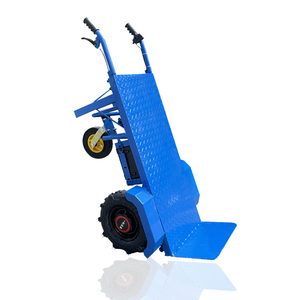
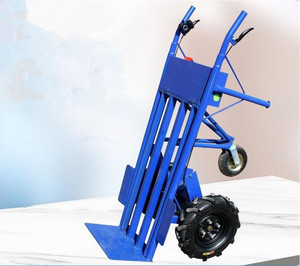
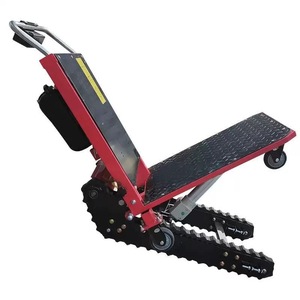
With Paris establishing strict zero-emission zones (ZFE-m) prohibiting high-emission light commercial vehicles, urban logistics fleets have rapidly pivoted toward compact, electric payload haulers, modular flatbed transfer carts, and specialized stair-climbing hand trucks. In narrow Haussmann-era residential streets where delivery vehicles cannot access underground loading bays, stair-climbing crawler trolleys (500kg load rating) built on high-yield aluminum frames allow courier operators to traverse multi-story access steps effortlessly without exceeding legal axel load limits.
B. Industrial Warehousing & Seine Port Logistics Corridors
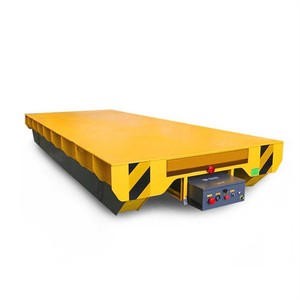
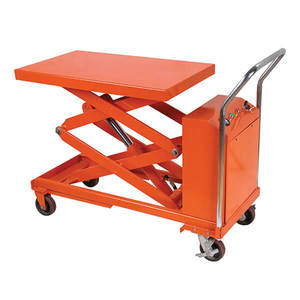
Along the Seine logistics axis—encompassing ports at Gennevilliers, Bonneuil-sur-Marne, and Limay—heavy-duty material handling requires continuous heavy cargo transfer. Hydraulic lift flat cars and BWF steering wheel electric transfer carts constructed on precision-machined aluminum ladder frames offer resistance to chemical washdowns and oil spills while carrying multi-ton steel coils or palleted goods across indoor-outdoor distribution centers.
C. Heritage Site Maintenance & Luxury Hospitality Vehicles (Versailles, Chantilly, Paris Parks)
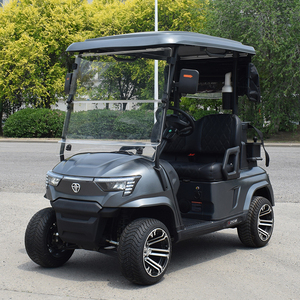
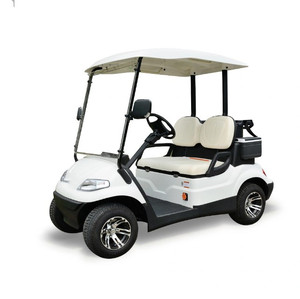
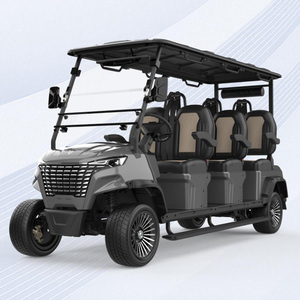
Commercial multi-passenger resort buggies (such as 4-seater and 6-seater lifted electric vehicles) deployed across public parks (Jardin des Tuileries, Parc de La Villette) and luxury estates in Chantilly require lightweight frames to avoid compacting sensitive turf, damaging historic paving stones, or suffering from ground moisture corrosion. The non-ferrous properties of our 6005A-T6 chassis ensure that moisture from landscaped turf never triggers structural rust, maintaining structural aesthetics for decades.
3. Regulatory & Technological Trends Shaping the French Aluminum EV Market
To maintain a competitive edge when sourcing aluminum chassis platforms for import into France, manufacturers and fleet procurement departments must align with key regulatory shift vectors:
- Accelerated Compliance with ZFE-m Directives: By 2025–2030, all commercial transport operating within the Greater Paris perimeter must meet strict zero-emission criteria. Reducing vehicle unladen mass (tare weight) via aluminum chassis extrusions allows fleet managers to install larger lithium battery capacities without exceeding European L7e or N1 light commercial vehicle gross weight thresholds.
- Circular Economy & Recycled Content Mandates: European procurement directives increasingly prioritize structural aluminum fabricated using low-carbon, hydro-powered primary smelting processes with at least 50% post-consumer recycled aluminum content. Our export chassis profiles fully comply with REACH and RoHS environmental standards.
- Integration of Smart Telematics & Modular Suspension Systems: Modern commercial platforms require direct mounting points for modular double A-arm independent front suspension (such as StabiliTrak systems) and built-in channel conduits for CAN-bus wiring harnesses, reducing assembly assembly times on customer final assembly lines.
4. Engineering Supremacy & Manufacturing Advantages
As a global OEM exporter specializing in advanced aluminum structures and specialized electric mobility chassis solutions, our manufacturing ecosystem provides unparalleled quality control and structural longevity:
Full CNC Laser Profile Cutting
3D 6-axis fiber laser cutting ensures sub-millimeter precision for frame mounting holes, suspension brackets, and steering box mounts.
Navitas & Lithium Compatibility
Factory-engineered crossmember mounts for 72V 150Ah Lithium battery cradles, Navitas 600A controllers, and 7.5kW motors.
10-Year Structural Coverage
Comprehensive decade-long manufacturing structural guarantee backed by rigorous quality assurance and export-grade packaging.
Whether you require a standard chassis for 2-seater, 4-seater, or 6-seater golf utility vehicles, or custom-engineered bases for heavy hydraulic lifting carts and stair-climbing crawler mechanisms, our engineering team works directly from your CAD/STEP files to deliver market-ready, CE-compliant platforms to Paris and across Europe.
5. Paris & European Buyer FAQ: Technical & Supply Chain Insights
Key information for commercial buyers, fleet managers, and OEM partners importing aluminum chassis components into the French market.
Ready to Upgrade Your Commercial Fleet Architecture in Paris?
Partner with a trusted global exporter for precision aluminum chassis extrusions, custom electric vehicle subframes, and specialized industrial transport hardware. Request technical CAD specifications and direct wholesale quotations today.