Featured Commercial & Passenger Electric Vehicles
Engineered with high-capacity 72V 150Ah LiFePO4 battery systems, high-efficiency AC motors, and reinforced chassis architectures designed to dominate Boston’s steep grades, coastal humidity, and demanding estate terrain.
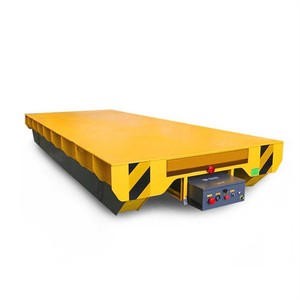
BWF Steering Wheel Electric Transfer Cart Hydraulic Lift Flat Car
- Drive SystemRocker Remote / Steering
- Platform TechHydraulic Scissor Lift
- ApplicationCommercial Industrial Utility
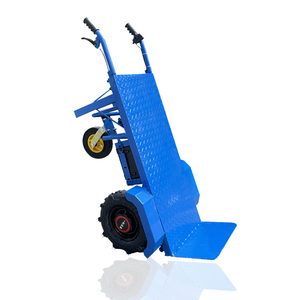
Electric 500kg Loading Capacity Stair Climbing Shopping Trolley
- Payload Capacity500 kg Heavy-Duty
- Climbing TechThree-Wheel Modular Crawler
- StructureOEM Customizable Platform
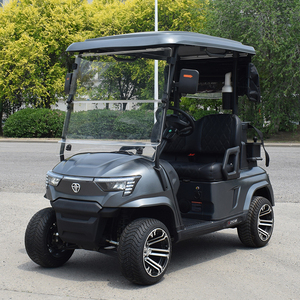
Wholesale Price Lifted Passenger Off-Road Golf Cart
- Battery System72V 150Ah Lithium Standard
- Chassis LiftHeavy Duty StabiliTrak
- Terrain RatingAll-Terrain Off-Road
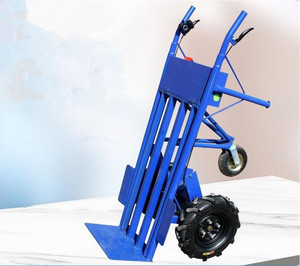
Heavy Electric Trolley Hand Truck Portable Stair Climbing Folding Cart
- PortabilityCompact Folding Design
- Drive MotorHigh-Torque Gearbox
- UtilityMulti-Floor Goods Logistics
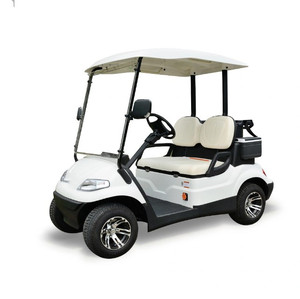
Huanxin 2 Seater Lifted Golf Cart Buggy with AC Motor
- Seating2-Passenger Compact
- PowertrainHigh Efficiency AC Motor
- SuspensionReinforced Independent Front
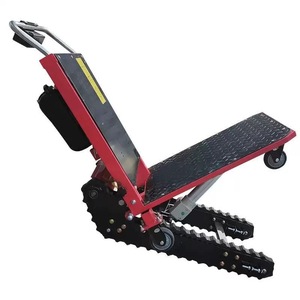
Electric Crane Truck Climbing Stairs Trolley Crawler Picker
- Special FunctionHydraulic Crane + Crawler
- Climb RatingArchitectural Stairs & Ramps
- ControlPrecision Remote System
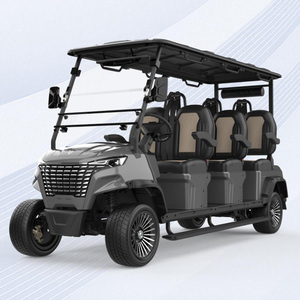
Custom 6 Seater Hunting Lithium Electric Utility Lifted Golf Cart
- Capacity6-Passenger Luxury Seating
- Power Cell72V 150Ah High Density Lithium
- ApplicationResort & Estate Utility
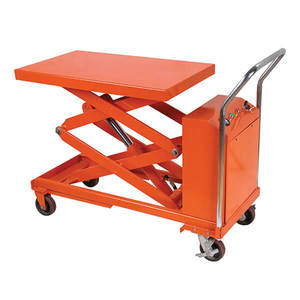
Electric Hydraulic Lift Platform ETF100 Large Table Cargo Cart
- Lift Height1000mm Max Height
- Table Size1200 x 610mm Extended
- Power LiftHeavy Duty Electro-Hydraulic
72V 150Ah Lithium Architecture in Greater Boston Mobility
An authoritative technical analysis on why higher-voltage electric golf carts and low-speed vehicles (LSVs) are replacing legacy 48V systems across New England's commercial, academic, and residential sectors.
The 72V Electrical Advantage
In low-speed electric vehicles (LSVs), energy delivery is governed by the relationship between voltage, current, and thermal resistance ($P = V \times I$). Traditional 48V systems rely on higher amperage to produce peak torque, generating substantial internal heat within the motor armature and speed controller. This leads to energy loss, voltage sag during steep hill climbs, and accelerated degradation of battery cells.
By elevating system potential to 72 Volts nominal, our 72V 150Ah LiFePO4 battery platform reduces current draw by approximately 33% for the equivalent mechanical power output. This engineering shift yields dramatic performance gains for Boston operators:
- Thermal Resilience: Drastically reduced heat dissipation allows continuous high-load hill climbs (e.g., Beacon Hill, Chestnut Hill) without triggering thermal throttling.
- Sustained Range: 150Ah energy density at 72V delivers 10.8 kWh of total energy capacity—over 50% more usable energy than standard 48V 100Ah lithium packs.
- Voltage Sag Elimination: Holds nominal voltage steady even at low states of charge (SOC), preserving acceleration and top speed up to the final 5% capacity.
Boston Climatic & Topographic Demands
The Greater Boston metropolitan area presents a unique operational environment for electric utility vehicles and luxury golf carts. Equipment manufacturers must engineer for three distinct local stressors:
1. Sub-Zero Winter Thermal Protection: Winter temperatures in Massachusetts routinely dip below 20°F (-7°C). Standard lithium batteries risk lithium plating and permanent anode damage if charged in sub-freezing conditions. Our 72V 150Ah packs integrate internal smart Battery Management System (BMS) heating elements that pre-heat cells prior to accepting charge current.
2. Marine Air Corrosion Resistance: Boston Harbor, North Shore, and Cape Cod coastal environments expose vehicles to aggressive salt fog. We incorporate hot-dip galvanized steel or electro-coated aluminum frame structures, marine-grade wiring harnesses, and IP67-rated sealed electrical connectors as standard.
3. Steep Urban Topography: Urban centers like Brookline, Newton, and Somerville feature continuous 8% to 14% elevation grades that quickly exhaust under-powered 48V vehicles.
Engineering Benchmark: 72V 150Ah Lithium vs. Legacy 48V Systems
The comparison matrix below highlights critical performance parameters validated under simulated New England climatic and topographic conditions.
| Performance Metrics | Legacy 48V Lead-Acid (225Ah) | Standard 48V Lithium (100Ah) | MammothEV 72V 150Ah LiFePO4 |
|---|---|---|---|
| Total Stored Energy | 10.8 kWh (5.4 kWh usable) | 4.8 kWh usable | 10.8 kWh Usable (100% DOD) |
| Gradeability (12% Slope Load) | 12 mph (Severe Voltage Drop) | 16 mph (Moderate Drop) | 25 mph (Zero Speed Loss) |
| Cold Weather Charging (14°F) | Sluggish / Chemical Sulfation | BMS Cutoff (No Charge) | Automated BMS Pre-Heating |
| Expected Cycle Life (80% DOD) | 500 - 800 Cycles | 2,000 - 3,000 Cycles | 4,500+ Deep Cycles |
| Weight Efficiency Impact | 600+ lbs Battery Weight | 160 lbs Battery Weight | 210 lbs Optimized Weight Ratio |
| Maintenance Requirements | Monthly Watering & Cleaning | Zero Maintenance | Zero Maintenance Sealed |
Localized Application Scenarios Across Greater Boston
From historic paved streets to expansive resort islands, our 72V 150Ah golf carts and utility platforms are custom-engineered to solve complex operational challenges across Massachusetts key sectors.
Academic & University Campuses
Institutions like Harvard University, MIT, Boston University, and Boston College span vast urban footprints with narrow pedestrian walkways and historic cobblestone lanes. Our 72V zero-emission electric utility carts and 4-6 passenger shuttles provide whisper-quiet transportation for campus security, facility maintenance teams, and admissions tours without diesel fumes or engine noise disrupting lectures.
Private Estates & Gated Communities
In high-end residential enclaves across Newton, Wellesley, Milton, and Brookline, homeowners demand luxury neighborhood electric vehicles (NEVs) that offer automotive-grade comfort. Equipped with diamond-stitched LUX leather seats, 10.5" touchscreen displays with Bluetooth integration, and smooth StabiliTrak independent suspension, our carts deliver an unmatched street-legal luxury driving experience.
Championship Golf Clubs & Resorts
Private clubs around The Country Club in Brookline, Pinehills in Plymouth, and coastal courses require vehicles capable of carrying golf bags and passengers across 36+ holes per day over undulating terrain. The high continuous torque of our Navitas 7.5kW motor paired with 72V 150Ah lithium power guarantees effortless fairway traversal without damaging sensitive turf.
Cape Cod & Islands Logistics
Resort communities across Cape Cod, Martha’s Vineyard, and Nantucket operate under strict seasonal timelines and aggressive coastal air environments. Our high-capacity lithium flatbeds, stair-climbing hand trucks, and passenger buggies provide municipal utility crews and hospitality operations with zero-maintenance, rust-resistant transportation that withstands heavy summer tourist usage.
Urban Industrial & Facility Logistics
Manufacturing facilities, distribution centers, and commercial warehousing in South Boston and Seaport rely on our specialized material handling products—including electric hydraulic scissor lift carts and heavy-duty stair-climbing crawlers—to transport cargo safely across multi-story buildings and loading bays.
Municipal & Public Safety Operations
Equipped with street-legal safety equipment (DOT-certified windshields, three-point seatbelts, LED turn signals, and digital speedometer displays), our Low-Speed Vehicles allow municipal departments to conduct park patrols, event management, and localized parking enforcement efficiently within urban 25 mph zones.
Greater Boston Industry Trends & Regulatory Shifts
Navigating clean energy mandates, low-speed vehicle legal requirements, and technological upgrades in Massachusetts.
1. Massachusetts Decarbonization Mandates
Under Massachusetts' comprehensive Climate Clean Energy Plan (CECP), commercial fleets, academic institutions, and municipal entities face expanding mandates to reduce greenhouse gas emissions. Traditional gas-powered utility buggies and outdated lead-acid fleets are rapidly being phased out in favor of high-efficiency 72V lithium electric platforms. By eliminating tailpipe emissions and achieving 95%+ battery round-trip charge efficiency, operators align directly with state sustainability targets while cutting fuel costs entirely.
2. Massachusetts RMV Low-Speed Vehicle (LSV) Rules
The Massachusetts Registry of Motor Vehicles (RMV) permits Low-Speed Vehicles (LSVs) to operate on public roads with posted speed limits up to 35 mph, provided the vehicle itself is speed-governed at 25 mph and equipped with required safety features. Every standard vehicle build from our facility incorporates DOT-stamped safety glass windshields, three-point inertia seatbelts, automotive LED headlights/taillights, side mirrors, and a 17-digit VIN—enabling seamless registration, titling, and street legalization across Boston municipalities.
Why Commercial Buyers Partner With Our Engineering Team
Unlike white-label importers, we engineer, calibrate, and assemble our vehicle lineups in Idaho, USA—backed by named-brand componentry and an industry-leading 10-year warranty program.
Named-Brand Tier-1 Components
We believe in total component transparency. Underneath the chassis of our 72V vehicles, you won't find unbranded mystery electronics. We proudly publish every key supplier by name:
- Navitas 7.5kW AC Motor: Delivers smooth, quiet, high-torque propulsion optimized for heavy passenger loads and steep hill climbing.
- Navitas 600-Amp Bluetooth Controller: Allows dealers and technicians to fine-tune speed, acceleration curves, and regenerative braking profiles on demand via a mobile interface.
- Adjustable StabiliTrak Suspension: Fully customizable coil-over shocks and dual independent front A-arms ensure smooth handling across unpaved roads and broken city pavement.
Industry-Leading 10-Year Warranty
While standard industry warranties expire after 2 or 3 years, our engineering confidence is reflected in an aggressive 10-Year Comprehensive Factory Warranty Program.
This program covers full replacement on the 72V 150Ah lithium battery cell assembly, electric motor, and controller units. Furthermore, we maintain a dedicated U.S. spare parts warehouse holding fast-moving service items in stock, guaranteeing that maintenance work occurs in days—eliminating months of back-order frustration.
Boston Buyer FAQ: 72V Lithium Golf Carts & Utility Vehicles
Get expert answers to common technical, legal, and operational questions regarding fleet deployment in Massachusetts.
How does a 72V 150Ah lithium battery perform during Boston's sub-freezing winters?
Our 72V 150Ah LiFePO4 packs are equipped with integrated smart BMS thermal heating circuits. When connected to a charger in freezing temperatures (below 32°F / 0°C), the internal heating pads automatically bring the cells up to a safe operating temperature before enabling charge current. This prevents lithium plating, preserves cell longevity, and ensures dependable operation throughout harsh New England winters.
What is the expected driving range on a single charge in hilly areas like Brookline or Newton?
With a full 10.8 kWh energy capacity, our 72V 150Ah lithium platform delivers a real-world driving range of 50 to 65 miles under standard passenger loading—even when navigating elevation changes across Newton and Brookline. Integrated regenerative braking recharges the battery pack during downhill descents, maximizing total range efficiency.
Are your golf carts street-legal on public roads in Massachusetts?
Yes, when configured as a Low-Speed Vehicle (LSV). Our models can be delivered with DOT-approved automotive safety glass windshields, 3-point seatbelts, turn signals, high/low beam headlights, dual side mirrors, a rear view mirror, horn, and a 17-digit VIN structure—meeting all Massachusetts RMV legal requirements for registration and driving on public roads posted at 35 mph or less.
How does the vehicle frame withstand coastal salt air around Boston Harbor and Cape Cod?
Every chassis undergoes an advanced multi-stage anti-corrosion treatment. Frames are constructed from heavy-gauge powder-coated steel or aircraft-grade aluminum alloy, combined with stainless steel fasteners and sealed IP67 marine wiring connectors. This ensures maximum protection against coastal salt spray and winter road salt.
Can your facility manufacture custom OEM configurations for university or industrial logistics?
Absolutely. We specialize in custom B2B manufacturing and OEM fleet tailoring. Options include hydraulic scissor lift platforms, flatbed utility beds, enclosed weather-proof enclosures, custom campus security lighting packages, automated stair-climbing crawler units, and custom fleet livery wrapping to match your institution's branding.
What is the total cost of ownership (TCO) advantage over traditional 48V lead-acid fleets?
Over a 5-year operational lifecycle, a 72V 150Ah lithium fleet saves operators up to 60% in total cost of ownership. Lead-acid batteries require replacement every 2-3 years, continuous water topping, terminal corrosion maintenance, and suffer from high electrical waste. Our sealed lithium batteries require zero maintenance, last 10+ years (4,500+ cycles), and cut electricity charging bills by nearly 30% due to higher charge acceptance efficiency.
Ready to Elevate Your Fleet Mobility in Greater Boston?
Connect directly with our engineering sales specialists to discuss wholesale pricing, custom OEM specifications, local delivery, or dealer opportunities across Massachusetts and New England.
Inquire Now