Featured OEM Cart & Vehicle Suspension Systems
Explore our engineering-grade portfolio of air suspension struts, forged aluminum swing arms, active ride height springs, and complete control arm assemblies engineered for high-durability automotive and specialty chassis applications.
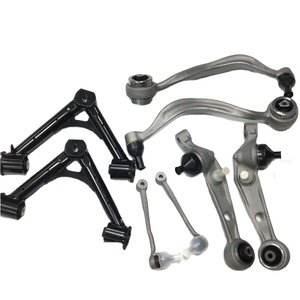
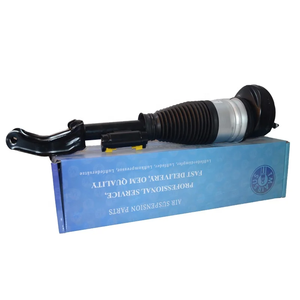

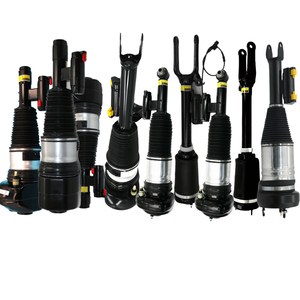
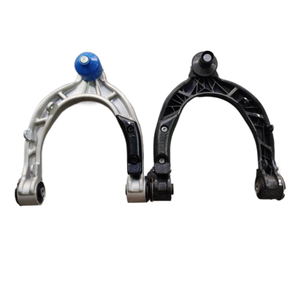
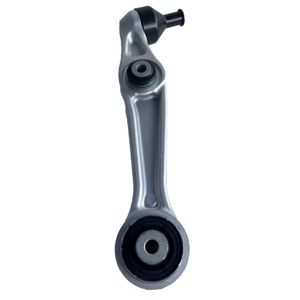
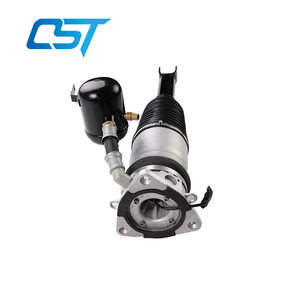
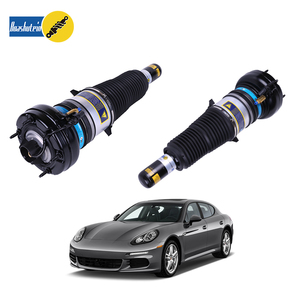
Engineering Excellence in Kinematic & Pneumatic Cart Suspension Manufacturing
In modern automotive engineering and high-performance utility vehicle development, the suspension assembly represents the critical intersection of dynamic control, structural payload capacity, and ride-comfort optimization. As a premier global cart suspension manufacturer and tier-1 supplier, our engineering philosophy fuses advanced metallurgy, robotic CNC forging, and dynamic pneumatic calibration to yield components capable of enduring extreme duty cycles across electric vehicles, luxury automobiles, and heavy-duty transport platforms.
Suspension systems serve a multi-faceted operational purpose: maintaining optimal tire-to-ground contact patch, mitigating Noise, Vibration, and Harshness (NVH), and isolating structural chassis components from multi-axial road stress. Achieving these benchmarks requires rigorous material selection—ranging from aircraft-grade 6061-T6 and 7075-T6 forged aluminum alloys to multi-layer reinforced elastomeric bladders designed for pneumatic resilience under extreme operational temperatures (-40°C to +85°C).
Comparative Technical Matrix: OEM Material & Manufacturing Benchmarks
| Component Group | Material Engineering Grade | Tensile / Yield Strength | Surface Treatment / Protection | Quality Certification Standard |
|---|---|---|---|---|
| Forged Control & Swing Arms | A6061-T6 / A7075-T6 Forged Aluminum | ≥ 310 MPa / ≥ 275 MPa | Anodized / Micro-Arc Oxidation | ISO/TS 16949 / IATF 16949 |
| Pneumatic Air Spring Sleeves | High-Density CR/EPDM Elastomer | ≥ 25 MPa Burst Resistance | UV & Ozone Inhibiting Sealant | DIN EN ISO 9001:2015 |
| Adaptive Damping Strut Housings | 20# Precision Seamless Carbon Steel | ≥ 520 MPa Tensile Strength | Electrophoretic Coating (1200 Hr Salt Spray) | SAE J434 / ASTM A519 |
| Ball Joints & Bushings | 40Cr / 4140 Chromoly Steel Joints | ≥ 980 MPa Yield Point | High-Temp Synthetic Lithium Grease Seal | GB/T 2611 Dynamic Test Compliant |
Why Partner With Us: Enterprise Manufacturing & Quality Engineering
Sourcing suspension assemblies demands uncompromising supplier reliability. Our manufacturing facilities incorporate end-to-end quality validation protocols that guarantee every control arm, air spring, and hydraulic shock exceeds OEM baseline specifications. We leverage proprietary calibration technologies, such as StabiliTrak adjustable dampening architecture and computer-controlled valving, enabling optimal kinetic response regardless of vehicle load dynamics.
IATF 16949 & ISO Compliance
Our automated production facilities adhere strictly to automotive OEM quality systems. Every batch undergoes 100% multiaxial fatigue testing, CMM dimensional verification, and ultrasonic weld inspections.
High-Precision CNC Forging
Utilizing high-tonnage precision forging presses and multi-axis CNC machining centers, our control arms achieve optimal grain structure orientation, maximizing structural strength while minimizing unsprung mass.
End-to-End OEM/ODM Customization
From reverse-engineering vintage luxury vehicle assemblies to developing custom long-travel geometry for modern electric carts, our engineering team delivers bespoke valving, mounting, and casing solutions.
Future Procurement Trends in Cart & Automobile Suspension (2026–2030)
The global automotive aftermarket and electric mobility sectors are undergoing a profound structural shift. As procurement directors, fleet engineers, and automotive parts distributors evaluate mid-to-long-term sourcing strategies, three macro trends dominate the suspension manufacturing landscape:
1. EV-Specific Suspension Architecture
Electric carts and vehicles carry higher curb weights due to heavy lithium battery arrays (e.g., 72V 150Ah packs). Sourcing managers must prioritize suspension components engineered to handle higher static loads, immediate electric torque stress, and harsh anti-squat forces.
2. Active & Smart Pneumatic Integration
Traditional passive shocks are rapidly being superseded by adaptive pneumatic systems (Airmatic / ADS). Procurement is shifting toward suppliers offering integrated CAN-bus compatible solenoids, active height adjustment sensors, and continuous damping control (CDC).
3. Sustainable Metallurgy & Recyclability
Global supply chain regulations mandate transparent carbon footprint tracking. Next-generation sourcing favors manufacturers utilizing low-carbon recycled aluminum alloys and eco-friendly electro-coating processes without sacrificing fatigue life.
Technological Innovations & Material Evolution in Suspension Systems
To deliver measurable Information Gain for procurement specialists, understanding the underlying technological advancements in modern suspension manufacturing is vital. Recent shifts in material science have vastly improved performance characteristics:
- Magnetorheological (MR) & Solenoid Electronic Valving: Modern air struts utilize microsecond-responsive fluid valving. By altering magnetic fields or modulating electronic bypass valves, the damper transitions from plush comfort to stiff performance instantly.
- Carbon-Fiber Reinforced Composites & Hybrid Alloys: Weight reduction remains paramount. Hybrid control arms combining forged 7075 aluminum with carbon-composite inserts reduce unsprung mass by up to 35% compared to cast iron predecessors, improving energy efficiency in electric golf carts and passenger cars alike.
- Advanced Fluoropolymers & Polyurethane Bushing Formulations: Traditional natural rubber bushings degrade rapidly under petroleum oil exposure and ozone weathering. Modern polyurethane and PTFE-lined spherical bearings deliver extended service life, eliminating squeaks and deflection under high lateral cornering loads.
Global Sourcing & Quality Inspection Checklist for B2B Buyers
When evaluating cart and vehicle suspension manufacturers, procurement teams must execute a multi-tier audit process to mitigate quality risks, warranty claims, and supply chain disruptions. Below is the standardized technical verification protocol recommended by our engineering quality control department:
| Evaluation Stage | Technical Benchmark / Inspection Metric | Critical Pass Criteria |
|---|---|---|
| 1. Metallurgical Audit | Spectrometric Alloy Composition Analysis | 100% compliance with ASTM alloy composition limits (No scrap metal contamination). |
| 2. Rubber Sleeve Durability | Multi-Axial Air Bag Burst & Ozone Resistance Test | Zero structural cracking after 500 hours of continuous high-concentration ozone exposure. |
| 3. Dynamic Dyno Testing | Force-Velocity Curve Damping Calibration | Rebound and compression force tolerances within ±5% of OE nominal curves. |
| 4. Anti-Corrosion Rating | Neutral Salt Spray Testing (NSS - ISO 9227) | Exceeds 1,000 hours with 0% red rust formation on critical structural threads and welds. |
Frequently Asked Sourcing & Technical Questions (FAQ)
Find authoritative answers regarding product compatibility, minimum order quantities (MOQs), quality testing standards, and custom manufacturing processes.
Ready to Upgrade Your Suspension Supply Chain?
Connect directly with our senior engineering and sales consulting team to request technical datasheets, factory audits, wholesale pricing, or sample evaluation sets.