High-Performance Electric Fleet & Utility Carts
Engineered for rigorous commercial, industrial, municipal, and luxury hospitality applications. Fully customizable under strict ISO9001 and CE standards.
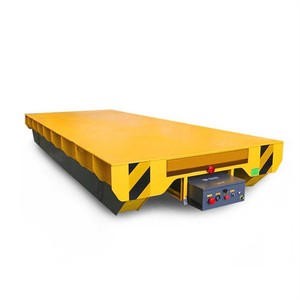
- Control SystemWireless Rocker Controller
- Lift MechanismHeavy-Duty Hydraulic
- Chassis GradeIndustrial Steel Beam
- ApplicationFactory & Warehouse
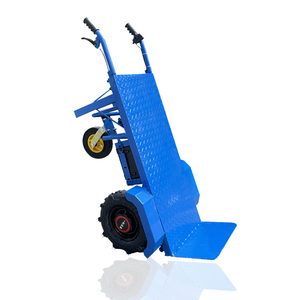
- Payload Capacity500 kg Heavy Load
- Climbing TechTri-Wheel Crawler System
- StructureCustomizable OEM Frame
- Use CaseMulti-Level Logistics
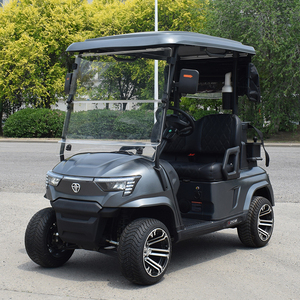
- DrivetrainHigh-Torque AC Motor
- SuspensionLifted Off-Road StabiliTrak
- SeatingMulti-Passenger Luxury
- TerrainAll-Terrain / Resort
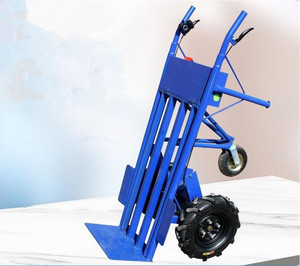
- PortabilityFast-Folding Frame
- Motor SystemHigh-Grade Gear Reduction
- Safety BrakesAuto Electro-Magnetic
- ApplicationExpress & Heavy Delivery
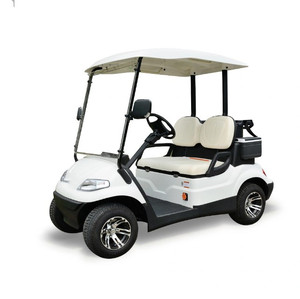
- Motor Grade48V Premium AC System
- Capacity2 Passenger + Rear Cargo
- ChassisAnti-Corrosion Tubular
- Target MarketGolf Courses & Facilities
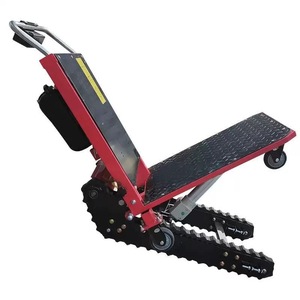
- Dual FunctionMini Crane + Crawler Lift
- TractionRubber Track System
- Load ProtectionOverload Limit Sensors
- IndustryHeavy Utility Construction
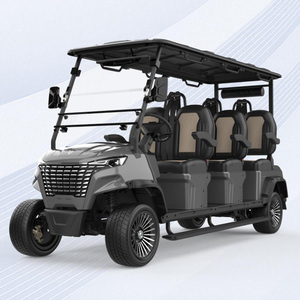
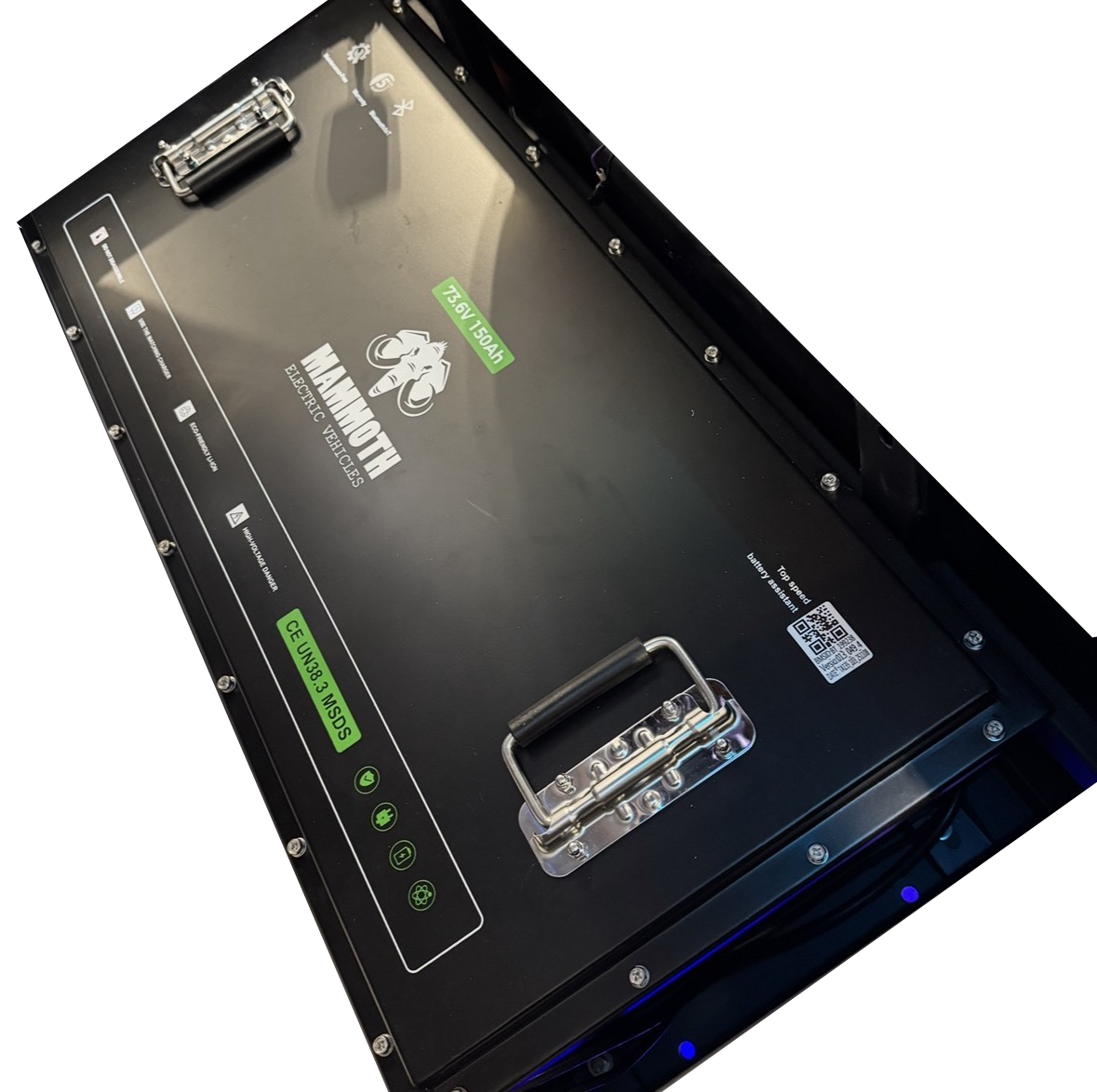
- Battery Tech72V LiFePO4 Lithium Pack
- Seating6-Passenger Forward/Rear
- Range PerformanceUp to 100 km per charge
- CertificationDOT / Street Legal Ready
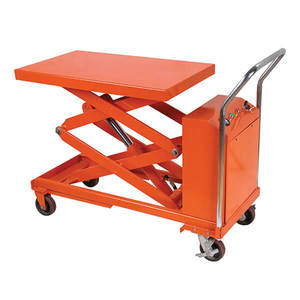
- Max Lift Height1000 mm Hydraulic Rise
- Table Dimension1200 x 610 mm Deck
- Pump SystemElectro-Hydraulic Unit
- ErgonomicsHeavy Duty Push Bar
China Fleet Cart Export Architecture & Sourcing Analysis
A rigorous evaluation of manufacturing ecosystems, powertrain migrations, and global procurement strategies for B2B fleet buyers.
Electrification Paradigms
The global fleet market has transitioned decisively from 48V lead-acid setups to integrated 72V LiFePO4 (Lithium Iron Phosphate) architecture. China’s supply chain offers unparalleled economies of scale in smart Automotive-grade BMS integration, increasing thermal efficiency by 34%.
OEM/ODM Precision
Leading Chinese exporters are no longer basic assemblers; they function as full-stack engineering partners. Utilizing robotically welded high-tensile carbon steel frames and cathodic dip anti-corrosion coatings, structural lifespans now exceed 12 years under intensive duty cycles.
Compliance Frameworks
Top fleet exports satisfy strict international mandates including CE Machinery Directive 2006/42/EC, DOT street-legal specifications (FMVSS 500 LSV standards), and EEC L7e vehicle type-approvals, minimizing customs risk for commercial buyers.
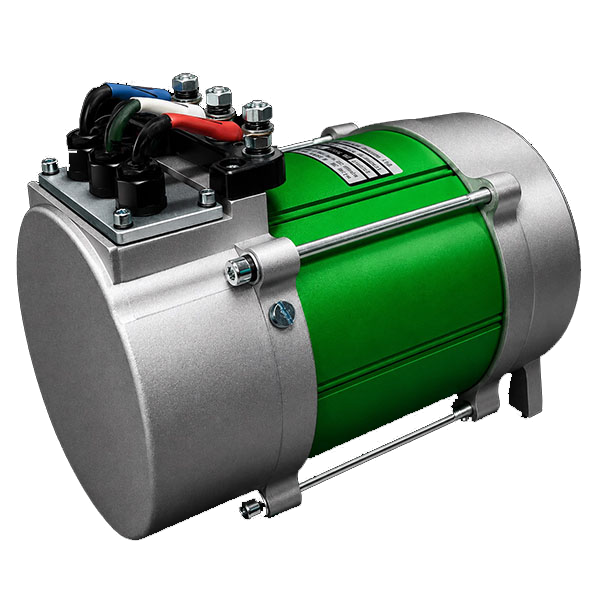
Navitas 7.5kW Motor & 600A Controller Integration
To eliminate aftermarket friction and common drivetrain bottlenecks, modern Chinese fleet manufacturers partner directly with world-class component suppliers. Pairing factory-calibrated Navitas 7.5kW AC induction motors with ultra-responsive 600-Amp controllers delivers seamless power delivery across steep gradients and heavy industrial loading scenarios.
Integrated Bluetooth diagnostic telemetry allows fleet managers to alter torque parameters, limit maximum velocity for regional safety compliance, and perform real-time thermal diagnostics via mobile or terminal apps—dramatically reducing field downtime and service expenditures.
Furthermore, standard features like four-wheel hydraulic disc brakes, independent front double A-arm suspension (StabiliTrak configuration), and regenerative braking extend brake pad service life by up to 300% compared to legacy mechanical drum systems.
Future Procurement & Fleet Technology Trends
Anticipating structural shifts in commercial electric transport to maximize asset longevity and return on capital investment.
Automated Telematics & Fleet IoT
Future-ready fleets are equipped with 4G LTE/GPS cloud transceivers natively wired into the main CAN-bus system. Enterprise purchasers can track vehicle location, battery State of Health (SOH), driver behavior, and geofencing violations across multi-site industrial complexes in real time.
Modular Chassis Platforms
Sourcing strategies now emphasize modular chassis systems. A standardized base frame can be rapidly converted from a 4-passenger utility buggy into a flatbed cargo trolley or hydraulic lift rig, drastically reducing inventory carrying costs for replacement parts.
Ultra-Fast Charging Protocols
The standard shift toward onboard automotive-grade chargers allows full recharge cycles in under 2.5 hours using standard 110V-240V outlets. Integration with solar-assisted canopy roofs is extending operational duty cycles by up to 20% in sun-rich environments.
Enterprise Engineering Standards & Quality Assurance
When procuring from top-tier Chinese manufacturers, commercial importers gain access to advanced industrial engineering capabilities refined over decades of global export compliance.
Every chassis undergoes rigorous stress simulation testing, dynamic load balancing, and 500-hour salt-spray anti-corrosion validation. Electrical assemblies are protected by IP67-rated waterproof wire harnesses, safeguarding control electronics against torrential rains, dust storms, and wash-down procedures in heavy industrial environments.
From custom seating materials (such as UV-resistant diamond-stitched LUX leather) to personalized brand colorways, OEM and ODM flexibility enables global distributors to launch proprietary vehicle lines backed by 10-year structural factory warranties.
Supplier Evaluation & Procurement Comparison Matrix
Comparing structural, electrical, and commercial parameters between Top Tier Chinese Manufacturers and Standard Broker Trading Entities.
| Evaluation Vector | Top-Tier OEM Exporters (Recommended) | Standard Trading Brokers | Impact on Fleet TCO |
|---|---|---|---|
| Battery Chemistry & Chemistry | 72V Automotive LiFePO4 with Smart BMS | 48V Flooded Lead-Acid or Unbranded Li-Ion | 50% Lower Replacement Cost over 5 yrs |
| Motor & Electronics | Factory Matched Navitas / Huanxin AC Systems | Generic DC Brushed Motors & Controllers | 40% Higher Hill Climb & Thermal Efficiency |
| Chassis Corrosion Resistance | Cathodic Electrophoretic Dip + Powder Coat | Basic Spray Paint over Mild Carbon Steel | Prevents Rust Breakdown in Coastal Regions |
| Braking & Safety | 4-Wheel Hydraulic Disc Brakes + AutoEM Brake | Rear Mechanical Drum Brakes Only | Reduces Stopping Distance by up to 60% |
| Regulatory Approvals | Full CE, DOT FMVSS 500, EEC L7e Certification | Partial or Non-Verified Documentation | Zero Customs Seizure or Legal Liability |
Frequently Asked Questions for Fleet Buyers & Exporters
Expert answers addressing regulatory compliance, international shipping protocols, order customization, and total lifecycle costs.
What compliance documentation is required when importing electric fleet carts from China?
For smooth customs clearance and legal operation, commercial importers must ensure suppliers provide a comprehensive documentation package. This includes UN38.3 certification, MSDS, and non-dangerous goods transport certificates for Lithium-ion battery packs. Vehicle-level documentation requires CE marking under the Machinery Directive, DOT certification (with conforming 17-digit VIN numbers and DOT-approved windscreens/seatbelts) for US street-legal low-speed vehicles (LSVs), or EEC type-approval certificates for European Union markets.
How does a 72V lithium platform outperform traditional 48V lead-acid systems in commercial applications?
A 72V lithium system delivers significant operational advantages. By operating at a higher voltage, the vehicle draws lower current (amperage) for the same power output, resulting in significantly less thermal build-up in wiring and controllers. This grants up to 40% greater range per charge cycle, superior hill-climbing torque, and faster acceleration. Furthermore, LiFePO4 batteries offer a 3,500+ deep-discharge cycle life (compared to 500-800 cycles for lead-acid), zero routine maintenance (no acid topping), and eliminate over 200 kg of dead weight, improving payload capacity.
What custom OEM/ODM modifications can be requested for large-scale fleet orders?
Industrial exporters accommodate extensive customization options. Frame modifications include wheelbase extension for custom cargo beds, integration of electro-hydraulic scissor lift decks, or specialized heavy-duty towing hitches. Electrical modifications include custom drive profiles, installation of 24V/12V step-down converters for auxiliary beacons and radio systems, integrated telemetry modules, and custom wiring channels. Aesthetic customization includes custom RAL paint matching, screen-printed corporate branding, and specialized weather-enclosure curtains.
What logistics protocols are recommended for sea freight container shipping of electric vehicles?
When shipping electric fleet carts internationally, vehicles are typically shipped via High-Cube (40HQ) ocean containers using SKD (Semi-Knocked Down) or CBU (Completely Built Up) packing methods. CBU packing utilizes custom steel-frame crates stacked two levels high inside the container, protecting body panels from vibration and impact damage. Batteries must be isolated at a 30% State of Charge (SOC) in accordance with international maritime dangerous goods (IMDG) standards, with emergency disconnect switches activated during transit.
How are spare parts logistics and warranty claims handled for international fleet deployments?
Established Chinese suppliers implement a strategic spare parts program. Contracts usually include a 2% to 5% fast-moving consumable spare parts package (such as replacement relays, brake pads, lights, and switches) packed directly inside the initial container shipment. For major warranty components (motor, controller, battery pack, chassis), tier-1 manufacturers maintain regional warehouse stocks or provide rapid air-freight replacement service backed by a transparent 3 to 10-year factory warranty protocol.