Engineered Cart Platforms & Enclosure Solutions
Precision-Matched Enclosures for Commercial, Off-Road & Industrial Logistics Mobility
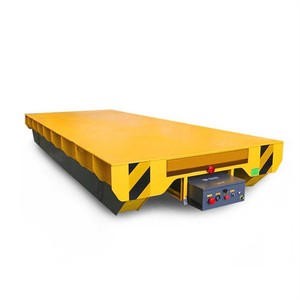
- Control SystemWireless Rocker Remote
- Enclosure CompatibilityIndustrial Weatherproofing
- Lift MechanismHeavy Hydraulic Assist
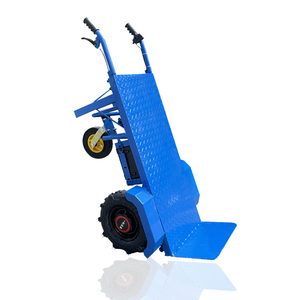
- Payload Capacity500 kg Duty Rating
- Wheel SetupTri-Wheel Stair Crawler
- CustomizationOEM Structural Platform
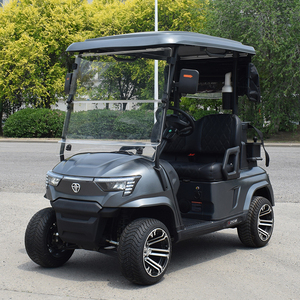
- Terrain GradeOff-Road Lifted Chassis
- Cab Cover FitDrivable Roll-Down Vinyl
- Market SegmentCommercial Resort & Golf
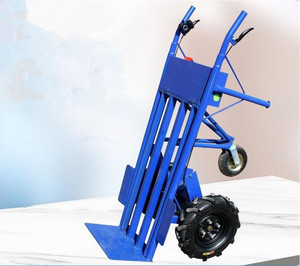
- Frame ArchitectureFolding Compact Alloy
- Weather ProtectionRain Guard Custom Shield
- Motor SystemHigh-Torque Electric Drive
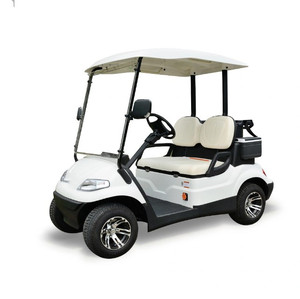
- Motor Spec48V AC Brushless Motor
- Seating Config2-Passenger Comfort Ergonomic
- Enclosure TrackBuilt-in Marine Canvas Track
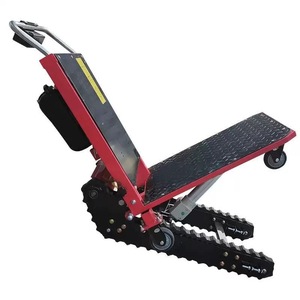
- FunctionalityIntegrated Mini Crane Lift
- MobilityHeavy Industrial Tracked Crawler
- ProtectionAll-Weather Canopy Cover
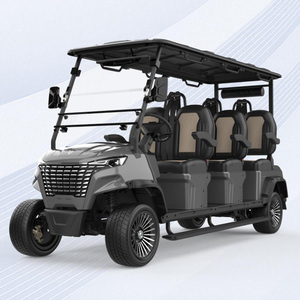
- Power Cell72V / 48V Lithium-Ion Pack
- Seating Setup6-Passenger Family/Group
- Enclosure MaterialSolution-Dyed Heavy Canvas
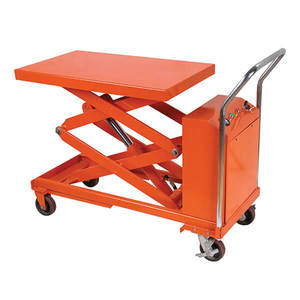
- Max Elevation1000mm Hydraulic Lift
- Table Surface1200 x 610mm Platform
- Dust ShieldBellows & Outer Cab Enclosure
Global B2B Sourcing Analysis: China Cart Enclosure Ecosystem
The global demand for customized, high-durability cart enclosures—spanning electric golf buggies, resort shuttles, industrial material handling platforms, and heavy-duty stair-climbing transport trolleys—has reached unprecedented levels. As commercial fleets transition toward high-voltage electric architectures (such as 72V lithium platforms with 600-amp controllers), protecting sensitive onboard electronics, hydraulic systems, and passengers from extreme environmental degradation is a paramount operational priority. China's manufacturing ecosystem for cart enclosures leads the international market by integrating advanced textile engineering, automated CAD/CAM pattern matching, high-frequency TPU welding, and rigorous marine-grade component testing.
Original Equipment Manufacturers (OEMs) and commercial distributors sourcing from China gain a strategic advantage through complete vertical integration. Leading Chinese cart enclosure suppliers do not simply sew fabric; they engineer total weather-protection systems designed to withstand intense UV radiation, saltwater corrosion, sub-zero cold cracking, and heavy mechanical abrasion. Whether outfitting standard 2-seater resort golf carts or specialized industrial crane trucks and electric transfer platforms, Chinese suppliers provide tailored OEM solutions that lower total cost of ownership (TCO) and maximize field service lifespan.
Future Procurement & Global Sourcing Trends (2026–2030)
Procurement practices in the industrial mobility and commercial utility cart sectors are undergoing a significant shift. Buyers are moving away from universal, loose-fitting aftermarket covers toward engineered, model-specific cab enclosures equipped with modular track systems, magnetic self-sealing doors, and flame-retardant industrial linings. As industrial facilities deploy automated electric transfer carts and heavy hydraulic lift platforms into outdoor logistics yards, enclosures are now required to meet strict safety and operational standards.
Modular All-Weather Enclosure Systems
Fleet operators demand modular enclosures that transition instantly from fully sealed winter cabs with insulated thermal layers to open-air summer setups via magnetic roll-up side panels and zip-off rear curtains.
Solar Enclosure Integration
Next-generation cart enclosure roofs incorporate flexible, thin-film monocrystalline solar panels seamlessly stitched into marine-grade canvas, feeding trickling charge currents into 48V/72V lithium battery banks.
Industrial Flame & Chemical Resistance
For industrial hydraulic lift platforms (e.g., ETF100) and electric crane trucks, enclosure covers are specified with FMVSS 302 flame retardancy and anti-static, chemical-resistant PVC coatings to prevent workplace hazards.
Material Engineering & Manufacturing Innovation
The core performance of any cart enclosure relies on material composition and seam construction. Traditional pigment-dyed polyester and cheap non-rated clear plastic windows degrade rapidly under sun exposure, resulting in brittle yellowing, cracked windows, and seam tearing. Top Chinese manufacturers have overhauled their production lines with state-of-the-art textile technology:
| Material Metric | Standard Aftermarket Enclosures | OEM-Grade China Supplier Standard | Operational Advantage |
|---|---|---|---|
| Base Fabric | 300D - 400D Pigment-Dyed Polyester | 600D - 1200D Solution-Dyed Acrylic / Canvas | Eliminates fading; thread core retains color for 5+ years under intense UV. |
| Clear Window Film | 0.25mm Standard Extruded PVC | 0.75mm Double-Polished Press-Bed TPU / Marine Vinyl | Crystal-clear optical visibility; zero distortion; flexible down to -30°C (-22°F). |
| Seam Sealing Technology | Standard Single Stitching | Dual-Stitched with High-Frequency Hot-Air Seam Tape | 100% waterproof barrier against high-pressure rainfall and power washing. |
| Zipper & Hardware | Generic Nylon Zippers #5 | Heavy-Duty Marine YKK #10 Resin Zippers with Zinc Sliders | Resists sand, salt spray, and mechanical stress without teeth popping. |
| UV Protection Index | UV 30+ (Fades in 6 months) | UV 80+ / AATCC 16 Grade 4.5 Fastness | Maximized solar reflectance, maintaining cabin temperature stability. |
Enterprise Engineering Strengths & Manufacturing Rigor
Leading Chinese cart enclosure suppliers collaborate directly with electric vehicle manufacturers like MammothEV and utility equipment developers to engineer enclosure systems concurrently with chassis development. By utilizing 3D laser scanner mapping of vehicle roll cages, dashboard contours, and floorboard retention tracks, suppliers generate digitised CAD patterns that guarantee a tight glove-like fit.
This systematic manufacturing pipeline delivers key operational advantages for OEM and B2B buyers:
- ✔ Custom OEM Brand Integration: Custom color matching, heat-transfer company logos, reflective safety striping, and custom retail packaging for global distributor networks.
- ✔ Precision Fit for Lifted & Extended Chassis: Custom patterns accommodating 2, 4, 6, and 8-passenger golf carts, lifted off-road suspensions, extended roof tops, and rear rumble seat conversions.
- ✔ Specialized Industrial Enclosures: Custom vinyl cabs engineered for heavy equipment, such as electric stair climbers, hydraulic scissor lift tables (ETF100), and wireless remote transfer carts.
- ✔ Rigorous Quality Assurance (QA): Every batch undergoes hydrostatic pressure tests, zipper endurance cycles (>10,000 pulls), UV accelerated weathering chamber exposure, and zero-defect stitching audits.