Engineered Electric Drive Motors & Heavy Utility Mobility Solutions
Explore high-performance electric powertrain assemblies, heavy-duty stair-climbing drive units, hydraulic lift platforms, and customized off-road electric utility carts sourced directly from certified manufacturing facilities.
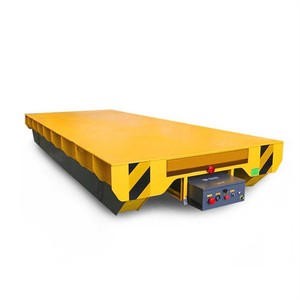
BWF Steering Wheel Electric Transfer Cart & Hydraulic Lift Trolley
- Drive System: Wireless Remote / Hydraulic
- Load Capacity: 1.5T to 5T Dynamic Rating
- Motor Type: Heavy Duty AC Induction
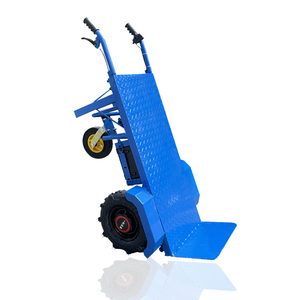
500kg Heavy-Duty Stair Climbing Shopping & Cargo Truck
- Payload: 500kg Continuous
- Mechanism: Tri-Wheel Crawler System
- Chassis: OEM Customizable Platform
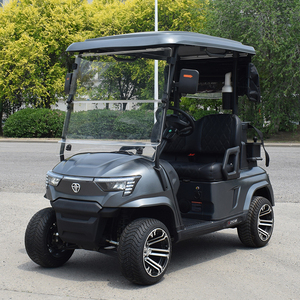
Wholesale Off-Road Passenger Lifted Electric Utility Cart
- Voltage: 48V / 72V High Torque
- Terrain: All-Terrain Off-Road Suspension
- Battery: Lithium-Ion Compatible
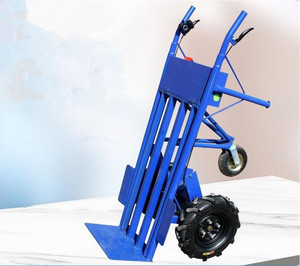
Heavy Portable Electric Folding Stair-Climbing Hand Truck
- Design: Ultra-Compact Folding Frame
- Motor: High-Ratio Geared DC Unit
- Safety: Automated Track Brake System
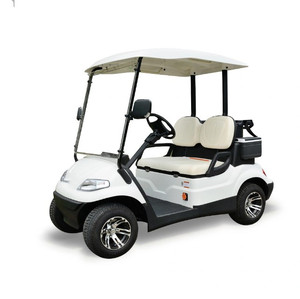
Huanxin 2-Seater Lifted Utility Buggy with 48V AC Powertrain
- Motor output: 48V Premium AC Motor
- Controller: Field-Oriented Control (FOC)
- Seating: 2-Passenger Sport Bucket
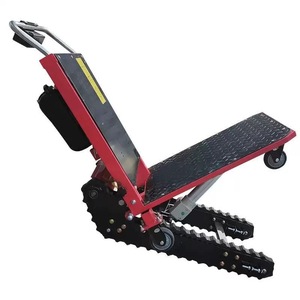
Electric Crane Truck & Crawler Stair-Picker Chassis Motor
- Function: Vertical Lift + Crawler Climb
- Chassis: Reinforced Steel Alloy
- Motor Duty: Continuous Heavy Duty Cycle
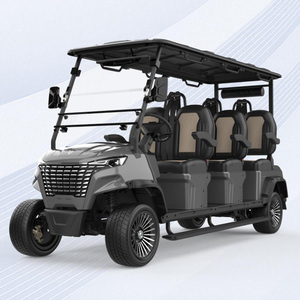
Greenrider Custom 6-Seater Lithium Off-Road Utility EV
- Capacity: 6-Passenger Heavy Frame
- Powertrain: High Output Lithium System
- Application: Commercial Resort & Patrol
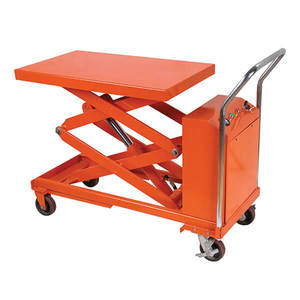
Electric Hydraulic Lift Platform ETF100 Large Dimension Cart
- Max Lift: 1000mm Vertical Reach
- Table Size: 1200 x 610mm Platform
- Hydraulics: Integrated Motor Pump Assembly
Engineering Benchmarks for Selecting Top Electric Motor Factories
In modern industrial procurement, selecting an electric motor manufacturer requires evaluating mechanical efficiency, thermal endurance under full load, magnet quality, and telematics integration. Electric motor systems utilized in heavy-duty utility carts, stair-climbing crawlers, passenger buggies, and industrial hydraulic platforms must deliver consistent torque density without thermal degradation.
Information Gain Insight: Shift from 48V Lead-Acid to 72V High-Density AC Systems
Legacy 48V DC brushed motor setups suffer from copper heat losses, maintenance-intensive carbon brush replacements, and rapid battery discharge under steep gradient ascents. Leading OEM factories are transitioning exclusively to 72V Permanent Magnet Synchronous Motors (PMSM) and AC Induction systems paired with advanced Field-Oriented Control (FOC) inverters. This shift increases system efficiency by up to 28%, reduces thermal operating temperatures by 15°C, and extends continuous vehicle duty cycles.
Key Evaluation Standard 1: Thermal Management & Ingress Protection
Industrial motors operating in outdoor or warehouse environments require IP67 or IP68 ingress protection against dust, water spray, and chemical exposure. Manufacturers utilizing vacuum-pressure impregnated (VPI) copper windings and cast aluminum heat dissipating fins prevent insulation breakdown during prolonged peak duty cycles.
Key Evaluation Standard 2: Inverter & Controller Synchronization
A high-torque motor is only as capable as its paired motor controller. Top-tier factories engineer integrated motor-controller packages—such as pairing a Navitas 7.5kW AC motor with a 600-Amp programmable sine-wave controller—to eliminate throttle latency, optimize dynamic braking energy recovery, and deliver precise torque at zero RPM.
Technical Benchmark: 48V Brushed DC vs. 48V AC vs. 72V High-Output AC Powertrains
Below is a comparative data synthesis evaluated across commercial utility vehicles, heavy cargo transfer trolleys, and personal passenger EV platforms:
| Powertrain Architecture | Peak Efficiency (%) | Continuous Torque Output | Thermal Throttling Threshold | Maintenance Interval | Ideal Application Profile |
|---|---|---|---|---|---|
| Legacy 48V DC Brushed | 72% – 78% | Low to Moderate (18 - 25 Nm) | 65°C Operating Temp | Every 6 Months (Brushes/Commutator) | Light duty personal carts, flat indoor floors |
| Standard 48V AC Induction | 85% – 90% | Moderate to High (35 - 50 Nm) | 85°C Operating Temp | 3 Years (Sealed Bearings) | Standard resort buggies, 500kg light haulers |
| 72V High-Density AC / PMSM | 94% – 97% | Superior High Torque (>75 Nm) | 110°C Heavy Operating Rating | 10+ Years (Maintenance-Free) | Heavy stair climbers, 6-seater lifted utility, crane trolleys |
Future B2B Procurement Trends in Electric Motor Manufacturing
Global procurement directors and original equipment manufacturers (OEMs) are updating their supplier criteria to adapt to rapid electrification trends. Understanding these macro shifts is vital for managing total cost of ownership (TCO) and avoiding supply chain obsolescence.
1. Custom OEM Gear-Ratio Integration
Procurement buyers no longer seek standardized motor shells. The demand is shifting toward custom flange mounts, integrated reduction gearboxes, and automated electromagnetic braking directly built into the motor end-bells. This minimizes vehicle mechanical loss and assembly footprint.
2. App-Based Telematics & Remote Tuning
Modern electric motor assemblies incorporate CAN-bus 2.0B communications. Fleet managers can remotely adjust torque curves, limit top speeds for specific working zones, monitor motor coil temperatures, and diagnose electrical faults in real-time via smartphone applications.
3. Domestic Assembly & Regionalization
To mitigate international freight volatility and tariff uncertainties, leading brands (e.g., USA-assembled platforms like MammothEV in Idaho) are localizing final motor calibration, battery integration, and quality assurance while sourcing high-purity raw materials globally.
Next-Generation Technology Trends in Utility Motor Engineering
As industrial automation, stair-climbing robotics, and specialized material handling carts expand, motor designs are evolving along three technical pillars:
Silicon Carbide (SiC) Inverter Architecture
Next-generation motor controllers are incorporating SiC MOSFET switches instead of traditional IGBTs. SiC controllers operate at significantly higher switching frequencies with minimal heat generation, allowing motor manufacturers to shrink controller housing dimensions by 40% while boosting system efficiency past 96%.
Rare-Earth Element Reduction & Ferrite Matrix Magnetics
Due to price fluctuations in Neodymium (NdFeB) magnets, motor engineering labs are developing high-grade Grain-Oriented Electrical Steel laminations and hybrid ferrite magnet matrices. These innovations preserve high torque density while reducing raw material cost dependencies by 30%.
Enterprise Advantages & Original Equipment Fabrication Capabilities
Our featured manufacturing partners and regional assembly facilities set the industry benchmark for heavy utility vehicles, high-torque industrial buggies, and specialized lift platform motors. By combining global component engineering with stringent domestic assembly, we deliver unmatched product reliability.
1. Factory-Matched Navitas Powertrain Systems
Unlike third-party suppliers who piece together incompatible motors and controllers, our featured vehicle builds utilize factory-matched Navitas 7.5kW motors paired with 600-Amp controllers. This guarantees smooth throttle modulation, zero motor chatter, and optimal hill-climb acceleration under full payload capacity.
2. Maintenance-Free 72V 150Ah Lithium Platforms
All modern utility vehicles featured in our catalog support sealed 72V 150Ah Lithium-Ion battery modules. Eliminating acid corrosion, terminal cleaning, and battery watering reduces lifetime fleet maintenance costs by up to 60% compared to legacy lead-acid batteries.
3. USA Final Assembly & Precision Calibration
Vehicles such as the MammothEV XR Series undergo chassis welding, powder coating, powertrain installation, and StabiliTrak suspension calibration directly at production facilities in Idaho, USA. Every cart undergoes 100% full-load dyno testing before dispatch.
4. Industry-Leading 10-Year Warranty Program
Our commitment to build quality is backed by comprehensive 10-year warranty programs covering battery replacement, motor, and drivetrain components. Replacement parts are maintained in regional distribution centers for immediate dispatch.
OEM & B2B Electric Motor Sourcing FAQ
Below are authoritative answers to common engineering and commercial questions posed by fleet managers, machinery builders, and wholesale distributors.
What is the functional difference between S1 continuous duty and S2 short-time motor ratings?
S1 duty cycle ratings mean the electric motor can operate continuously under rated mechanical load indefinitely without exceeding its thermal equilibrium. S2 duty cycle motors are rated for short bursts (e.g., 15 or 30 minutes) before requiring a cooldown period. Industrial transfer carts and heavy stair climbers require S1 rated winding insulation to prevent burnout under full shift operations.
Why is a 72V system superior to a 48V system for commercial utility carts?
Power equals Voltage multiplied by Current (P = V x I). To achieve higher wattage (e.g., 7.5kW peak output), a 48V motor must draw approximately 156 Amps, whereas a 72V motor draws only 104 Amps for the same power output. Lower amperage generates significantly less heat in copper windings, allowing thinner cabling, longer runtime, and cooler overall component operation.
Can these electric motors be customized with specific gearboxes, brakes, or axle housings?
Yes. OEM motor manufacturing services include custom output shaft splines, keyway machining, integrated 24V/48V electromagnetic holding brakes, customized reduction gear ratios (e.g., 10:1, 12.5:1, or 16:1), and custom mounting flanges tailored to specific vehicle frames or crane chassis.
How does regenerative braking work on AC utility cart motors?
When the driver releases the accelerator pedal or descends an incline, the motor controller alters the phase angle of the stator magnetic field. The kinetic momentum of the vehicle drives the motor rotor, turning the AC motor into a generator. This converts forward kinetic energy back into electrical energy, recharging the 72V lithium pack while controlling downhill speed without wearing physical disc brakes.
What IP ingress rating is required for off-road or stair-climbing crawler trolleys?
A minimum ingress protection rating of IP65 is required for general outdoor industrial environments. However, for stair-climbing crawlers, outdoor construction lift platforms, and off-road hunting buggies, an IP67 rating is highly recommended to protect internal hall sensors and motor bearings from total dust saturation and temporary water immersion.
How do I place a wholesale order or request custom OEM engineering support?
Click the "Inquire Now" button on any product card or contact button on this page. Our engineering technical sales team will assist you with torque calculations, gear ratio selection, sample unit testing, lead time estimation, and factory direct pricing schedules.
Ready to Upgrade Your Commercial Fleet Powertrains?
Connect with our engineering specialists to obtain detailed technical datasheets, CAD models, and competitive factory-direct quotation packages for electric motors, lithium battery systems, and customized utility vehicles.