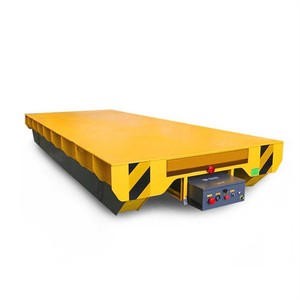
Commercial & Industrial Solar Cart Lineup
Explore our heavy-duty, solar-augmented, and custom electric mobility platforms designed for resort logistics, industrial material handling, terrain climbing, and golf fleet operation.
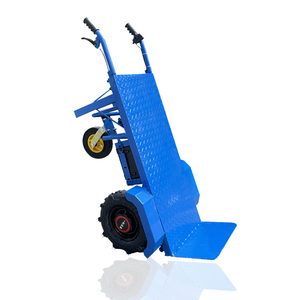
Electric 500kg Loading Capacity Stair Climbing Shopping Trolley Cart Truck
Send an Inquiry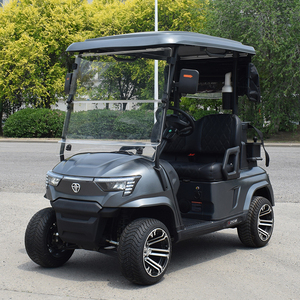
Wholesale Price Club Car Lifted Passenger Golf Cart Best Selling Off Road Golf Cart
Send an Inquiry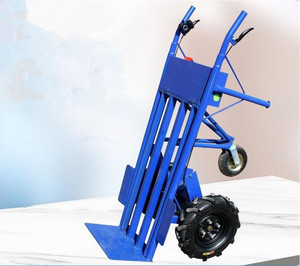
Heavy Electric Trolley Hand Truck Portable Stair Climbing Folding Cart For Sale
Send an Inquiry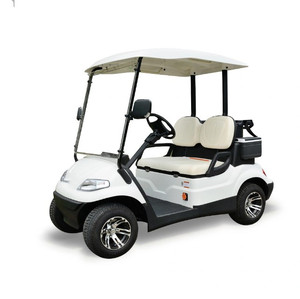
Huanxin 2 Seater Lifted Golf Cart Buggy Car with 48v AC Motor
Send an Inquiry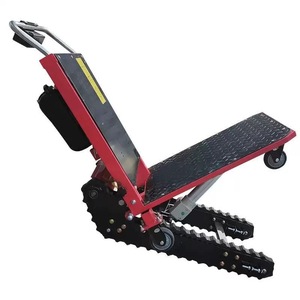
Electric Crane Truck Climbing Stairs Trolley Crawler Climbing Stairs Picker
Send an Inquiry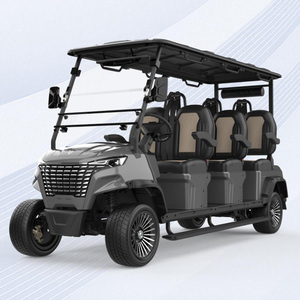
Greenrider Custom Manufacturer Wholesale 6 Seater Seat Hunting Lithium Electric Utility off Road Lifted Golf Cart
Send an Inquiry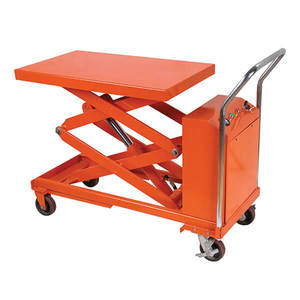
Electric Hydraulic Lift Platform ETF100 1000mm Max Lift Height Large Table Dimension Cargo Cart
Send an Inquiry98.4%
MPPT Solar Conversion Efficiency
+35%
Daily Range Extension (Solar Boost)
10-Year
Structural Frame & Chassis Guarantee
500kg+
Heavy Industrial Payload Rating
Executive Overview: The Paradigm Shift in Commercial Solar Mobility
The global commercial electric vehicle sector is undergoing a profound paradigm shift driven by decarbonization mandates, rising grid energy costs, and the urgent necessity for decentralized energy capture. As a world-class OEM/ODM solar cart manufacturer and exporter, our engineering philosophy bridges high-efficiency monocrystalline solar architectures with heavy-duty electric vehicle platforms. Conventional neighborhood electric vehicles (NEVs), industrial utility carts, and golf passenger buggies traditionally rely solely on fixed grid charging cycles—exposing operations to downtime, localized grid instability, and accelerated battery depth-of-discharge (DoD) stress.
By integrating advanced roof-integrated photovoltaic (PV) arrays managed by multi-stage Maximum Power Point Tracking (MPPT) charge controllers, modern solar carts convert ambient solar irradiance into immediate kinetic and storage energy. This continuous trickle-charging paradigm significantly reduces battery sulfation in lead-acid systems and balances cell voltages in high-density LiFePO4 (Lithium Iron Phosphate) battery banks. From heavy-duty 500kg capacity stair-climbing crawler hand trucks to 72V 6-passenger lifted resort utility vehicles and hydraulic flatbed transfer carts, our custom manufacturing capabilities provide B2B procurement leaders with unmatched Levelized Cost of Mobility (LCOM) advantages.
Continuous Solar Harvesting
Flexible, high-transmittance solar canopies generate continuous power during outdoor operation and idling, adding up to 15-25 miles of extended range daily depending on solar insolation.
Battery Lifespan Preservation
By offsetting shallow battery discharges through real-time solar topping, thermal strain and cycle degradation are reduced, extending overall battery service life by over 40%.
Global Procurement Trends in Solar & Electric Utility Carts
Procurement directors and fleet operators across North America, Europe, Australia, and the Middle East are evaluating commercial low-speed vehicles (LSVs) through a multi-dimensional matrix involving lifecycle costs, structural durability, carbon accounting, and total maintenance overhead. Modern procurement specifications have evolved past basic speed and seating capacity metrics toward technical parameters that define long-term operating efficiency.
1. 72V High-Voltage Architecture Standardization
Legacy 36V and 48V systems are rapidly being superseded by 72V lithium platforms. High voltage decreases current draw (amperage) for identical power output, dramatically minimizing resistive heat losses in wire harnesses and motors while delivering instantaneous torque on inclines.
2. Integrated Monocrystalline & Flexible PV Roofing
B2B buyers now mandate flush-mounted, shatterproof monocrystalline solar roofs rated over 22% cell efficiency. Flexible ETFE polymer coatings resist UV yellowing, hail impacts, and high vibration, outperforming fragile glass solar modules.
3. Smart Telematics & CAN-bus BMS Integration
Enterprise buyers demand real-time telemetry tracking solar generation (kWh), battery state-of-health (SoH), geolocation, and remote diagnostic codes via CAN-bus communication protocols, enabling predictive maintenance across large rental or industrial fleets.
4. Multi-Application OEM Chassis Modularity
Industrial facility procurement favors modular chassis designs that accept hydraulic scissor lifts, cargo drop-side beds, stair-climbing crawler assemblies, or multi-row passenger seating on a unified base chassis frame.
Engineering Innovations: Powertrain, MPPT, and Structural Dynamics
The engineering matrix of an industrial solar cart requires precise synchronization between thermal dynamics, electronic power conversion, and structural loading capacity. Unlike off-the-shelf electric buggies retrofitted with aftermarket solar panels, true factory-level OEM/ODM production embeds photovoltaic power regulation directly into the vehicle's central processing unit.
1. High-Efficiency MPPT Solar Controller Dynamics: Our proprietary solar charge controllers utilize advanced perturb-and-observe MPPT algorithms operating at over 98.4% efficiency. These units dynamically adjust voltage step-up from solar panels (typically 36V-48V Vmp) up to 72V-96V charging thresholds required by lithium storage systems, even under low-light diffuse sunshine or partial canopy shading.
2. High-Torque AC Synchronous & PMSM Drive Systems: We integrate high-output AC induction and Permanent Magnet Synchronous Motors (PMSM) controlled by industry-benchmark 600-Amp Navitas or Huanxin speed controllers. Combined with regenerative braking systems that recapture kinetic energy during downhill deceleration, power consumption per payload-ton-mile is minimized by up to 28%.
3. Heavy-Duty Chassis & Suspension Topology: Commercial utility requires exceptional frame rigidity. Our chassis architectures utilize high-yield strength robotically welded carbon steel or extruded aviation-grade aluminum frames protected by automotive electro-coating (E-coat). Suspensions feature adjustable independent double A-arms, heavy-duty hydraulic shock absorbers, and coilover springs engineered to maintain stability across rough off-road terrain, construction zones, or multi-story staircases.
Stair-Climbing & Track Kinetics
Specialized crawlers and stair-climbing trolley trucks use multi-wheel triangular gear assemblies and rubber crawler tracks. Powered by high-reduction worm gearboxes, these units safely transport loads up to 500kg over steep steps and obstacles.
Hydraulic Scissor & Platform Controls
Flatbed transfer carts and cargo trucks feature heavy-duty hydraulic lift cylinders with maximum lift heights exceeding 1000mm. Dual manual and wireless remote controls ensure safety during heavy machinery moving or inventory stacking.
Enterprise Superiority: Comprehensive OEM/ODM Manufacturing Capabilities
As a global exporter with dedicated R&D centers and automated assembly lines, we provide full-turnkey contract manufacturing for international distributors, fleet operators, government entities, and brand owners. Our state-of-the-art facility integrates metal stamping, laser cutting, robotic welding, automated paint booths, and rigorous end-of-line quality control.
- Full Structural & Body Customization Custom vehicle dimensions, wheelbase extensions, specialized cargo bed configurations, customized powder coating colors, and private-label brand emblem integration.
- Modular Battery Architecture Options Select from maintenance-free 72V/48V LiFePO4 lithium batteries with active heating/cooling BMS, or economic deep-cycle AGM batteries based on regional budget requirements.
- Solar Capacity Tailoring (100W to 800W+) Configure monocrystalline solar roof panels based on regional sun hours and operational range demands, complete with custom Bluetooth solar monitoring apps.
- Global Regulatory & Safety Compliance Vehicles engineered to meet DOT, CE, ISO9001, EEC, and LSV standards, featuring DOT-certified acrylic windshields, three-point seatbelts, hydraulic disc brakes, and full lighting suites.
- In-Stock Global Spare Parts Support Guaranteed long-term availability of high-wear components, controller replacement boards, motors, track wheels, and solar regulators with fast international logistics dispatch.
- Rigorous End-of-Line Testing Protocols Every cart undergoes 100% full-load climb tests, rain-spray waterproofing inspections, brake distance verifications, and solar charging output audits prior to packing.
B2B Procurement & Technical FAQ
What are the primary performance advantages of integrating solar roofs on commercial utility carts?
Integrating monocrystalline solar roofs provides three major advantages: range extension, battery life preservation, and reduced grid reliance. A 300W-500W solar array generates 1.2kWh to 2.5kWh of energy daily under normal sun conditions, adding 15 to 25 miles of operational range. Continuous solar charging during daytime park-and-idle periods prevents deep voltage drops, mitigating sulfation in lead batteries and cell imbalance in lithium packs, thereby extending battery service life by 30% to 50%.
How do solar carts perform in cloudy, overcast, or low-light geographical regions?
Modern solar carts utilize high-efficiency monocrystalline solar cells paired with Maximum Power Point Tracking (MPPT) controllers. MPPT technology actively sweeps voltage curves to optimize energy collection even under diffuse or indirect light. While peak output occurs in direct sunlight, solar harvesting continues at 25% to 45% capacity under overcast conditions. Additionally, all vehicles feature standard AC grid charging plugs for overnight charging when solar irradiation is unavailable.
What minimum order quantities (MOQ) and lead times apply to OEM/ODM custom orders?
Our baseline MOQ for custom OEM branding (logo, specific color matching, bed customization) starts at 2 to 5 units depending on chassis complexity. For complete ODM custom frame or hydraulic platform engineering, project evaluation begins immediately upon receipt of CAD requirements. Production lead time for standard wholesale configurations is 15-20 days, while custom OEM/ODM production cycles range from 25 to 35 days from sample approval.
Can stair-climbing trolleys and electric transfer carts be retrofitted with solar charging systems?
Yes. Specialized material handling units such as 500kg stair-climbing crawlers, hydraulic scissor lift platform trucks, and flatbed transfer carts can be customized with auxiliary solar panel canopies or portable folding solar mats. These systems feed energy directly into onboard 24V, 48V, or 72V battery banks via dedicated DC-DC solar charge controllers, ensuring remote job-site charging without access to wall outlets.
What battery chemistries are supported, and what warranty is offered for export markets?
We offer both maintenance-free high-density LiFePO4 (Lithium Iron Phosphate) battery systems and heavy-duty sealed AGM deep-cycle lead-acid batteries. Our LiFePO4 packages carry a 5-to-10 year warranty term (supported by intelligent CAN-bus BMS protection), while frame assemblies carry a 10-year structural warranty. Replacement controllers, motors, and hydraulic pumps are backed by a comprehensive 2-year warranty with fast-track spare parts air shipment.
How do you handle shipping logistics and container loading for international B2B orders?
Vehicles are securely packed using steel-frame crates or knock-down (CKD/SKD) packaging options to optimize container volume. A standard 40-foot High Cube (40HQ) container can accommodate up to 18-24 units of compact golf/utility carts or stair-climbing trolleys depending on assembly status. All shipments include full export documentation, CE certificates, battery MSDS/UN38.3 transport reports, and custom clearance documentation.
Partner With a Premier Solar Cart Manufacturer
Whether you require custom OEM fleet production, high-torque industrial transfer carts, stair-climbing crawlers, or high-efficiency solar passenger buggies, our engineering team is ready to deliver tailored solutions for your market.
Send an Inquiry