Industrial & Mobility OEM Solutions Showcase
Precision-engineered seating systems, custom vehicle assemblies, and ergonomic upholstery crafted for high-durability applications worldwide.
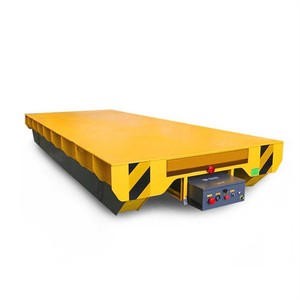
BWF Steering Wheel Electric Transfer Cart Hydraulic Lift Flat Car Transport Trolley with Rocker Wireless Remote Controller
Send an Inquiry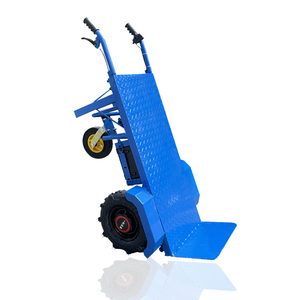
Electric 500kg Loading Capacity Stair Climbing Shopping Trolley Cart Truck With Three-Wheel OEM Customizable Structure Platform
Send an Inquiry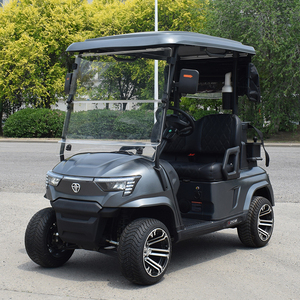
Wholesale Price Club Car Lifted Passenger Golf Cart Best Selling Off Road Golf Cart
Send an Inquiry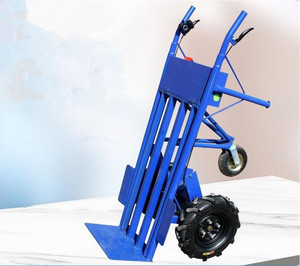
Heavy Electric Trolley Hand Truck Portable Stair Climbing Folding Cart For Sale
Send an Inquiry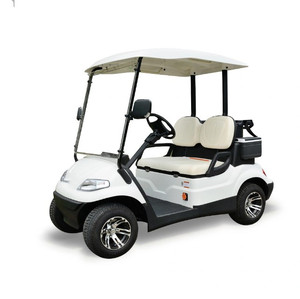
Huanxin 2 Seater Lifted Golf Cart Buggy Car with 48v AC Motor
Send an Inquiry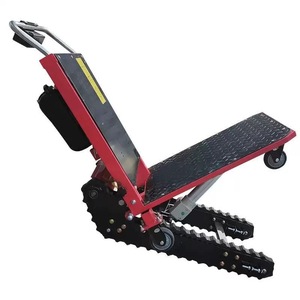
Electric Crane Truck Climbing Stairs Trolley Crawler Climbing Stairs Climbing Stairs Picker
Send an Inquiry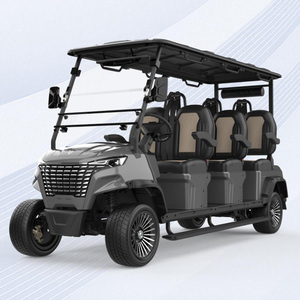
Greenrider Custom Manufacturer Wholesale 6 Seater Seat Hunting Lithium Electric Utility off Road Lifted Golf Cart for Sale
Send an Inquiry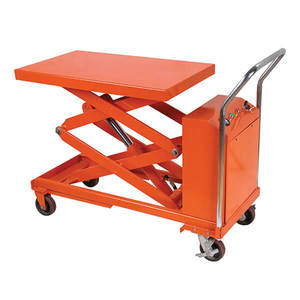
Electric Hydraulic Lift Platform ETF100 1000mm Max Lift Height 1200 610mm Large Table Dimension Cargo Cart
Send an InquiryStrategic Sourcing Guide: The Next-Gen OEM/ODM Seat Cover Landscape
An in-depth whitepaper on procurement trends, engineering benchmarks, and material innovations for automotive tier-1 suppliers, golf vehicle manufacturers, and heavy equipment OEMs.
In the global mobility, commercial transportation, and specialized electric vehicle (EV) sectors, the demand for high-performance OEM/ODM seat covers and structural upholstery has undergone a paradigm shift. Modern original equipment manufacturers (OEMs) and original design manufacturers (ODMs) are no longer seeking basic fabric covers; they require integrated ergonomic seating solutions engineered to withstand extreme UV exposure, mechanical abrasion, chemical exposure, and intensive daily operation.
Whether manufacturing luxury 72V lithium electric golf buggies, heavy-duty stair-climbing industrial trolleys, or highway-capable utility platforms, the interior seat upholstery serves as the primary tactile interface for users. High-grade OEM seat covers directly influence end-user satisfaction, brand perception, and long-term vehicle resale value. To capture competitive advantage in global supply chains, industrial procurement directors must evaluate manufacturers based on engineering capability, material science compliance (FMVSS 302, REACH, RoHS), automated manufacturing precision, and flexible custom design execution.
Eco-Synthetic & Microfiber Leathers
Procurement is rapidly transitioning from traditional PVC vinyl to light-weight, highly breathable microfiber PU and solvent-free bio-based synthetic leathers. These offer 30% higher tear strength while cutting VOC emissions during assembly.
Smart Heating & Ventilation Layers
ODMs are integrating embedded positive temperature coefficient (PTC) heating elements, fluidic ventilation meshes, and capacitive seat-occupancy sensors directly into pre-sewn seat covers for next-gen electric vehicle fleets.
Automated CAD Pattern Digitization
Leading factories deploy 3D optical laser scanners and multi-nesting digital cutting tables. This guarantees millimeter-level precision across complex contours, eliminating manual pattern drift and fabric waste.
Engineering Material Specifications & Benchmark Standards
Comparative technical metrics for OEM/ODM fabric selection across diverse environmental operational profiles.
| Material Class | Abrasion Resistance (Martindale) | Flame Retardancy Standard | Hydrolysis Resistance | Primary Application Profile |
|---|---|---|---|---|
| Automotive Microfiber Leather | 150,000+ Cycles | FMVSS 302 / ISO 3795 | 10+ Years (Tropical Test) | Premium Electric Vehicles, Luxury Golf Carts, Passenger Vans |
| Marine-Grade Eco PU Leather | 100,000+ Cycles | BS 5852 Crib 5 | 7 Years (Jungle Test) | Off-Road Utility Buggies, Outdoor Mobility Carts, Marine Seating |
| Heavy-Duty Ballistic Nylon (1680D) | 80,000+ Cycles | UL 94 V-0 Optional | Waterproof TPU Backed | Industrial Stair-Climbing Carts, Hydraulic Lifts, Cargo Carriers |
| Thermoset Molded Foam Cover Assembly | 120,000+ Cycles | FAR 25.853 Compliant | Full Encapsulated Seal | Commercial Floor Scrubbers, Heavy Forklifts, Cranes & Pickers |
Why Partner With Our OEM/ODM Manufacturing Infrastructure
Combining heavy vehicle engineering heritage with dedicated textile manufacturing discipline to deliver robust factory-direct production lines.
Building high-performance electric carts—such as lifted 6-seater hunting carts, heavy 500kg capacity stair climbers, or high-speed neighborhood vehicles—demands an unified approach to chassis engineering and seat upholstery design. Our factories integrate high-torque powertrain expertise (Navitas 7.5kW motors, 600A controllers, 72V lithium architectures) with advanced soft-trim stitching processes.
Rapid ODM Prototyping
From 2D sketches or 3D CAD files, our tooling studio generates physical sample covers, validated ergonomic foam molds, and custom embroidery prototypes within 5 to 7 business days.
Computerized Seam Integrity
Twin-needle automated stitching machines utilize high-tenacity bonded polyester threads. Every stress point is reinforced with bar-tack welds to resist split seams under heavy dynamic loading.
Airbag & Safety Belts Readiness
Custom stitching lines are calibrated for precise thread bursting thresholds, ensuring seamless integration with embedded side airbags and three-point seatbelt harness assemblies.
Frequently Asked Procurement & Manufacturing Questions (FAQ)
Essential technical answers regarding factory compliance, customization thresholds, MOQs, and global supply logistics.
What is the minimum order quantity (MOQ) for custom OEM/ODM seat covers?
For standard custom colorways and existing digital patterns, our baseline factory MOQ starts at 50 sets. For fully bespoke ODM seat cover developments requiring specialized foam mold tooling or custom embossed brand patterns, the typical initial run MOQ is 100 sets.
How do you ensure material compliance for North American and European markets?
All incoming upholstery batches undergo strict laboratory testing. We provide certified documentation for FMVSS 302 flame retardancy, California Prop 65 chemical compliance, REACH SVHC compliance, and RoHS certifications prior to volume shipment.
Can your factory match exact OEM color codes and logo embroidery?
Yes. We utilize Pantone and RAL color matching systems for synthetic leathers. Our in-house embroidery and laser-engraving divisions can accurately reproduce complex multi-color logos, diamond-stitched patterns, or debossed brand insignia on headrests and backrests.
What is the typical production lead time for volume orders?
Initial sample approval takes 5–7 days. Once master samples are signed off, standardized production batch lead time ranges between 15 and 25 calendar days, depending on total volume, custom trim complexity, and shipping container loading schedules.
Do you provide complete seat assemblies or cover skins only?
We offer both complete turnkey seating solutions (including internal steel/aluminum frames, high-density cold-cured polyurethane foam, and pre-fitted covers) as well as standalone replacement cover skins fitted with plastic retainer clips for direct factory line assembly.
How are weather resistance and UV protection guaranteed for open vehicles?
Our outdoor utility and golf cart seat fabrics are engineered with advanced UV-inhibitor additives rated to withstand 1,000+ hours of QUV accelerated weathering tests without color fading, cracking, or surface chalking.
Partner with a Certified OEM/ODM Seat Cover Manufacturer
Engineered durability, rapid digital prototyping, and factory-direct pricing for your vehicle production lines and aftermarket networks. Connect with our technical sales engineering team today.