Flagship OEM/ODM Electric Mobility & Equipment Solutions
Custom-engineered industrial transport, specialized stair-climbing systems, and high-performance golf utility vehicles built with maintenance-free lithium battery architecture.
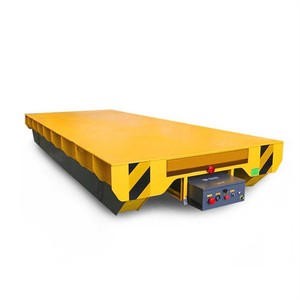
BWF Steering Wheel Electric Transfer Cart Hydraulic Lift Flat Car
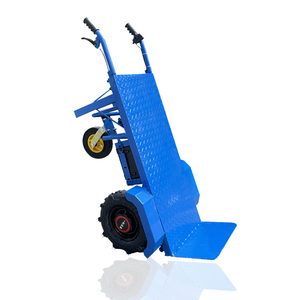
Electric 500kg Capacity Stair Climbing Shopping Trolley Cart Truck
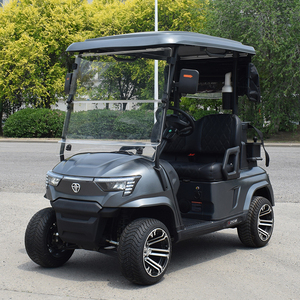
Custom Lifted Passenger Off-Road Electric Golf Cart
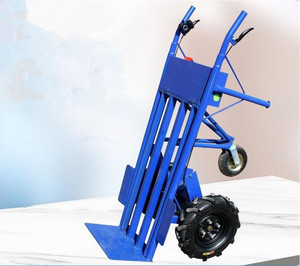
Heavy Electric Portable Stair Climbing Folding Trolley Hand Truck
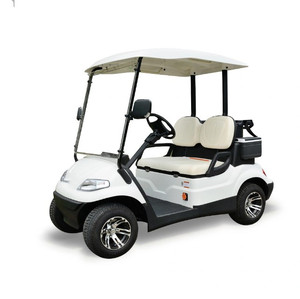
Huanxin 2 Seater Lifted Electric Golf Buggy with AC Motor System
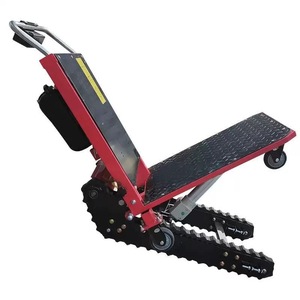
Electric Crane Truck & Heavy Duty Crawler Stair Climbing Picker
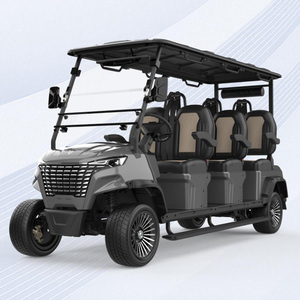
Wholesale 6-Seater Hunting & Commercial Lithium Utility Vehicle
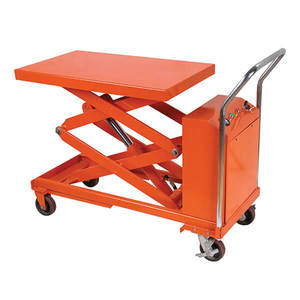
Industrial Hydraulic Electric Lift Platform Cart (ETF100 Series)
The Strategic Paradigm Shift in OEM/ODM Lithium Energy Systems
Analyzing cell chemistry selection, structural integration, and digital BMS controls for industrial and electric vehicle applications.
The global industrial and commercial electric vehicle sector is undergoing an unprecedented transition from legacy flooded lead-acid and AGM batteries toward high-density Lithium Iron Phosphate (LiFePO4) architectures. As specialized OEM/ODM lithium battery manufacturers and exporters, enterprise-level engineering demands more than mere cell assembly. It requires holistic power system integration—combining Tier-1 Grade-A prismatic cells, intelligent Battery Management Systems (BMS) with CAN-bus/RS485 communications, and customized structural housing calibrated for harsh operational environments.
In modern industrial applications—ranging from heavy hydraulic transfer carts and stair-climbing crawler hand trucks to high-performance 72V luxury golf carts and neighborhood electric vehicles (NEVs)—power supply consistency directly governs equipment uptime and total cost of ownership (TCO). High-capacity 72V 150Ah lithium-ion battery modules deliver up to 3,500 to 6,000 deep discharge cycles at 80% Depth of Discharge (DOD), outperforming traditional lead-acid solutions by a factor of five while reducing total battery weight by up to 65%.
Cell Grade & Architecture
We strictly utilize Tier-1 LiFePO4 prismatic cells featuring internal pressure safety valves, thermal barriers, and laser-welded copper busbars to ensure zero resistance loss under 300A peak discharge loads.
Automotive-Grade BMS
Integrated solid-state MOSFET circuit protection monitors cell-level voltages, temperature parameters, current balancing, and state-of-charge (SOC) algorithms via Bluetooth and CAN 2.0B protocols.
Custom Mechanical ODM
Heavy-gauge powder-coated steel or extruded aluminum enclosures designed with IP67 ingress protection, anti-vibration damping mounts, and thermal dissipation fins tailored for mobile machinery.
| Performance Benchmark | OEM 72V LiFePO4 Platform | Conventional NMC Lithium | Flooded Lead-Acid / AGM |
|---|---|---|---|
| Cycle Life (80% DOD) | 3,500 – 6,000+ Cycles | 1,200 – 2,000 Cycles | 300 – 500 Cycles |
| Thermal Runaway Temp | 270°C (Ultra Stable) | 210°C (Moderate Risk) | N/A (Acid Off-gassing Risk) |
| Energy Density (Pack Level) | 140 – 170 Wh/kg | 180 – 240 Wh/kg | 30 – 45 Wh/kg |
| Maintenance Requirements | Zero Maintenance (Sealed) | Zero Maintenance | Weekly Water Top-offs & De-sulfation |
| Operating Temp Range | -20°C to +65°C | -10°C to +55°C | 0°C to +40°C |
| 10-Year TCO Index | Lowest (1.0x Baseline) | Medium (1.8x Baseline) | Highest (3.4x Baseline) |
As international regulatory frameworks enforce stringent carbon transparency standards (such as the EU Battery Regulation), the procurement criteria for B2B buyers, original equipment manufacturers (OEMs), and international distributors have evolved. Simple battery assembly is no longer adequate. Key engineering vectors driving future development include:
- High-Voltage Transition (48V to 72V/96V Architectures): Industrial material handling systems, stair-climbing crawler cranes, and utility vehicles are migrating to higher system voltages. Raising system operating voltage to 72V reduces phase current draw by 33% for equivalent wattages, resulting in significantly lower copper resistance losses ($I^2R$), reduced heat generation, and slimmer wiring harnesses.
- Integration of High-Performance AC Powertrains: Modern electric vehicles utilize matched factory powertrains such as the Navitas 7.5kW AC Induction Motor paired with a 600A programmable digital controller. This synergy provides instant torque curve customization, electronic regenerative braking energy recovery up to 15%, and hill-hold safety parameters configurable via mobile app interfaces.
- Advanced Suspension & Mechanical Engineering: For off-road utility carts and specialized material transport, chassis frame stress distribution is vital. Independent front double A-arm suspensions with adjustable coil-over gas shocks (StabiliTrak Suspension Geometry) ensure load stability when navigating rugged terrain or transporting sensitive industrial payloads up to 1,000 kg.
- Smart Telemetry & IoT Cloud Integration: Modern B2B lithium packs feature integrated IoT hardware modules that stream real-time operational telemetry—cell voltage imbalance, state-of-health (SOH) tracking, GPS location, and thermal threshold logs—directly to enterprise fleet management platforms.
Rooted in decades of hands-on shop-floor diagnostics, drivetrain engineering, and heavy equipment servicing, our enterprise manufacturing operations bridge the gap between custom design and mass-market reliability. Every lithium pack and vehicle chassis leaves our production facility under strict quality control standards.
10-Year Factory Warranty
We back our 72V lithium battery architectures and core drivetrains with a full 10-year replacement coverage program, supported by direct global spare parts inventory.
US & International Assembly
Engineered and assembled under rigorous standards in Idaho, USA, and overseas joint-venture plants, ensuring compliance with UN 38.3, UL 2580, CE, and IEC 62619 safety standards.
Turnkey Customization
From custom metal stamping, hydraulic platform integration, and crawler track design to specialized firmware coding for BMS protocols, we offer complete ODM development.
Procurement executives and supply chain managers evaluating long-term contracts for lithium batteries and electric utility equipment must consider emerging macro trends shaping international trade:
1. Standardized Module-to-Pack (MTP) & Cell-to-Pack (CTP) Architectures: By eliminating intermediate module enclosures, CTP technology increases volumetric energy density by 20–30% while reducing structural fasteners. For OEM cart and vehicle builders, this creates critical space inside chassis compartments for expanded payload capacity or secondary hydraulic fluid reservoirs.
2. Multi-Layer Functional Safety Certifications: Exporters must satisfy rigorous global compliance mandates. Modern procurement contracts stipulate compliance with UN 38.3 (transport safety), MSDS, UL 1973 (stationary batteries), UL 2580 (EV batteries), and Directive 2006/66/EC. In-house testing infrastructure featuring thermal shock chambers, mechanical crush rigs, and continuous high-discharge load banks is essential for verified certification compliance.
3. Lifecycle Total Cost of Ownership (TCO) Optimization: While initial acquisition costs for lithium-iron systems exceed lead-acid units by 30–40%, the TCO analysis over a 5-year operating window reveals massive savings. Eliminating acid replacement maintenance, battery watering labor, floor damage from acid leaks, and frequent cycle degradation results in a payback period of under 14 months in commercial fleet operations.
Frequently Asked Questions for OEM/ODM Buyers
Direct technical and commercial answers for fleet procurement officers, engineering managers, and overseas importers.
What is the minimum order quantity (MOQ) and lead time for custom OEM lithium packs?
Our standard production MOQ for custom-engineered OEM lithium battery packs starts at 10 units for heavy industrial applications and 5 units for custom vehicle platforms. Standard prototype development and sample delivery take 15 to 25 working days, while bulk export container orders average 30 to 40 days following technical drawing sign-off.
How do you ensure cell voltage balancing and safety in heavy-vibration equipment?
Every pack utilizes precision micro-ohm busbars connected via ultrasonic wire bonding or heavy-duty laser welding. Cell strings are isolated using flame-retardant epoxy structural spacers and anti-vibration silicon dampeners. Our smart BMS features continuous active dynamic balancing (up to 2A balancing current), preventing cell drift during rapid discharge cycles in heavy hydraulic or stair-climbing operations.
Can your lithium batteries and drivetrains be customized for extreme temperature environments?
Yes. For cold-storage logistics or extreme sub-zero operation (down to -30°C), we integrate internal self-heating PTC thermal films managed automatically by the BMS. During low-temperature charging, the system routes input current to warm the cell matrix to optimal thermal thresholds before initiating fast charging, preventing lithium plating damage.
What certifications are provided for international maritime and air freight export?
All battery systems ship with comprehensive export documentation, including UN 38.3 test reports, 1.2m drop test compliance, MSDS documentation, dangerous goods (DG) packaging certification, and CE/UL compliance papers. We work with accredited international freight forwarders to handle Class 9 dangerous goods logistics smoothly.
What key advantages do 72V lithium powertrains offer over legacy 48V systems in electric vehicles?
A 72V system reduces operating current draw for the same power output, yielding lower electrical heat loss, extended thermal margins during steep hill climbs, higher top-speed capabilities without flux weakening, and enhanced acceleration response when paired with controllers such as the Navitas 600A series.
How are warranty claims handled for international commercial clients?
We provide comprehensive warranty coverage backed by modular replacement components. In the event of a technical issue, our diagnostic software reads BMS fault logs remotely via app or USB connection. Replacement BMS boards, cell modules, or motor controllers are dispatched via expedited air freight from our global service centers to minimize operational downtime.