Engineering Grade OEM/ODM Product Lineup
Explore our heavy-duty industrial wheels, motorized cart assemblies, stair-climbing gear systems, and custom electric cart mobility chassis.
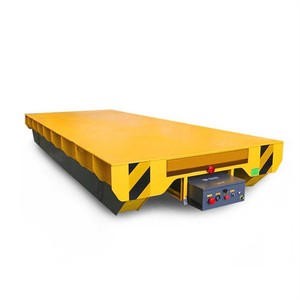
BWF Steering Wheel Electric Transfer Cart Hydraulic Lift Flat Car
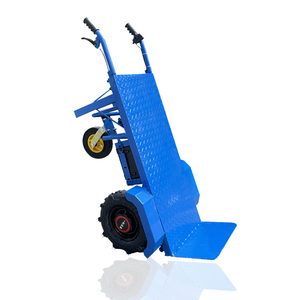
Electric 500kg Loading Capacity Stair Climbing Trolley Cart Truck
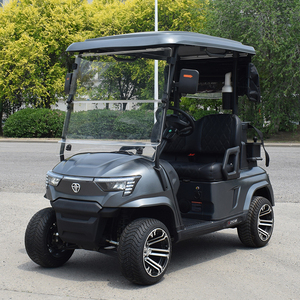
Club Car Lifted Passenger Off-Road Golf Cart Chassis Assemblies
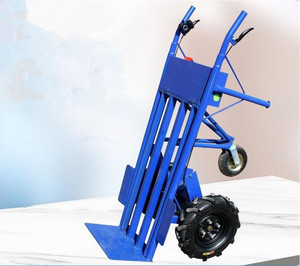
Heavy Electric Trolley Hand Truck Portable Stair Climbing Wheel Assembly
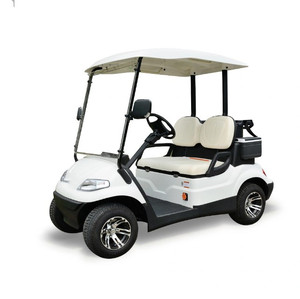
Huanxin 2 Seater Lifted Golf Cart Buggy Car with 48v AC Motor Units
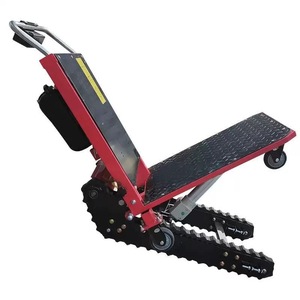
Electric Crane Truck Climbing Stairs Trolley Crawler Wheel Picker
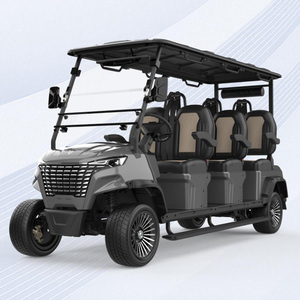
Greenrider Wholesale 6 Seater Lithium Electric Utility Off Road Axles
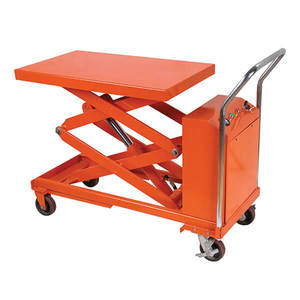
Electric Hydraulic Lift Platform ETF100 1000mm Cargo Cart Wheels
Enterprise OEM/ODM Cart Wheels & Chassis Manufacturing
Bridging mechanical engineering precision with advanced powertrain integration to deliver industrial mobility systems built for harsh operational environments.
In modern industrial logistics, automated material handling, and luxury low-speed electric vehicles (NEVs), the design integrity of cart wheels, steerable drive axles, and suspension assemblies dictates operational efficiency, payload safety, and total life-cycle costs. As a premier global OEM/ODM manufacturer and exporter, our engineering facilities unify high-precision metallurgy, advanced polyurethane (PU) vulcanization, and intelligent drivetrain integration into robust B2B solution packages.
Unlike standard off-the-shelf castor catalog suppliers, our manufacturing methodology prioritizes Information Gain, customized load-dynamic tuning, and structural endurance. From high-capacity steerable transfer trolleys (such as BWF steering wheel hydraulic flat cars) to specialized tri-wheel stair-climbing mechanisms and 72V AC-powered golf cart wheel hubs, our manufacturing footprint is calibrated for seamless scalability and strict quality compliance.
Heavy-Duty Load Dynamics
Formulated with high-grade hot-cast polyurethane elastomers bond-locked to solid cast-iron or forged aluminum cores, ensuring zero tread delamination under dynamic loads reaching up to 50 metric tons.
Smart Drivetrain Integration
Direct co-engineering with leading controllers and motor systems (including Navitas 7.5kW motors and 600A AC controllers) for precise steering torque curves, automated braking, and telematics compatibility.
StabiliTrak Geometry Calibration
Proprietary independent wheel suspension systems featuring dual A-arm architecture, adjustable damping rates, and heavy-duty sealed bearing hubs optimized for extreme off-road terrain.
Proprietary Manufacturing Advantages & Metallurgy Controls
Every wheel hub, rim flange, and internal bearing casing leaving our factory undergoes rigid metallurgical inspection and structural stress testing. Drawing from decades of experience in heavy-duty utility vehicle manufacturing (as showcased in our flagship 72V Lithium MammothEV platforms), we incorporate structural standards engineered to outlast demanding operational lifecycles:
- Vulcanized Polyurethane Tread Bonding: Chemical cross-linking agents prevent delamination under extreme shear stress and thermal friction created during high-frequency industrial shuttle runs.
- Precision CNC Machined Hub Assemblies: Tolerance-controlled bearing seats fitted with dual sealed ABEC-7 chrome steel bearings prevent dust ingress and moisture corrosion.
- Integrated Hydraulic & Electric Brake Flanges: Factory-drilled disc brake mounting plates engineered for instant mechanical heat dissipation and regenerative braking compliance.
- Custom Tread Profile Engineering: Anti-skid chevron treads, smooth non-marking industrial cleanroom finishes, or aggressive off-road knobby patterns designed specifically for targeted ground conditions.
Engineering Specification Matrix: Industrial Cart Wheels & Drives
| Category | Material Construction | Load Rating (per wheel) | Hardness Range | Target OEM Application |
|---|---|---|---|---|
| Heavy AGV / Steerable Wheel | Forged Steel Core / Vulkollan PU | 1,500 kg – 12,000 kg | 93° – 95° Shore A | Automated Transfer Carts, BWF Flat Cars |
| Stair-Climber Tri-Wheel Units | Reinforced Nylon 6 / Thermoplastic Rubber | 150 kg – 500 kg | 85° Shore A | Motorized Hand Trucks, Crawler Pickers |
| Golf & Utility Cart Wheels | A356.2 Cast Aluminum / Steel Rim | 600 kg – 1,200 kg | 60 – 70 Durometer (Tire) | 2/4/6 Seater Lifted Electric Buggies |
| Hydraulic Lift Platform Wheels | Solid Ductile Iron / Phenolic Resin | 800 kg – 3,500 kg | 100° Shore D | ETF100 Mobile Lift Tables, Scissor Lifts |
Future Procurement & Technology Trends (2026–2030)
Key market developments shaping global industrial mobility procurement strategies for international buyers, sourcing managers, and engineering OEMs.
The global demand for industrial cart wheels and electric transport chassis is experiencing a structural migration toward smart automation, eco-friendly material formulations, and high-voltage electrification. As procurement heads evaluate factory partners for multi-year sourcing agreements, key technological forces are reshaping factory selection criteria:
1. Integration of Embedded Telematics & Wheel Condition Monitoring
Industry 4.0 standards mandate real-time health diagnostic capabilities for material handling equipment. Next-generation OEM cart wheel assemblies now incorporate integrated Bluetooth/RFID sensors embedded directly inside the wheel hub casing. These sensors monitor real-time metrics including bearing temperature, radial load fatigue, vibration frequency, and rotational velocity—transmitting predictive maintenance alerts directly to warehouse management software (WMS) before catastrophic mechanical failure occurs.
2. Shift to 72V High-Voltage Lithium Drivetrains
Legacy 36V and 48V lead-acid battery configurations in utility carts and material transfer trolleys are rapidly being phased out in favor of 72V 150Ah Lithium-Ion architectures. High-voltage platforms reduce current draw (amperage) across the motor and wheel hubs, dramatically lowering operating heat, extending continuous run-time past 10 hours, and allowing wheel assemblies to handle steeper incline gradients without thermal shutdown.
3. Sustainable Vulcanized Bio-Polymer Formulations
With global sustainability standards like REACH and RoHS tightening across North America and the European Union, leading exporters are replacing traditional petroleum-based plasticizers with eco-friendly bio-polyurethane compounds. These advanced materials maintain superior cut-and-tear resistance while lowering carbon footprints during hot-cast molding processes by up to 35%.
4. Modular Omnidirectional & Mecanum AGV Mobility
Space optimization in smart factories requires zero-turn-radius maneuvering. Factory exporters are expanding custom ODM tooling for omnidirectional wheel modules and heavy-load steerable caster assemblies, allowing 50-ton transfer carts to move laterally along tight assembly corridors without traditional steering rack constraints.
Why Global Buyers Partner With Our Factory
Demonstrated engineering expertise, strict export compliance, and responsive technical support engineered around B2B buyer requirements.
Full OEM/ODM Customization
Complete engineering adaptability covering wheel hub CAD modeling, bore keyway machining, custom shore hardness casting, and bespoke rim finishes tailored to your exact brand blueprints.
Rapid Prototype to Mass Production
Accelerated tooling development with 3D functional prototype delivery within 10 working days, backed by automated mass production lines producing over 50,000 unit sets monthly.
Global Logistics & Export Reach
Seamless DDP, FOB, and CIF shipping support across North America, Europe, Southeast Asia, and Australia, backed by full customs declaration compliance and ocean freight insurance.
Frequently Asked Questions for B2B Purchasing
Comprehensive answers regarding load ratings, OEM custom mold procedures, sample testing, and international quality standards.
What custom engineering parameters can be modified for OEM cart wheel orders?
We offer end-to-end structural customization including hub bore diameter, keyway dimensions, bearing type (tapered roller, deep groove ball, or needle bearings), polyurethane hardness (Shore 60A to 75D), rim material (cast iron, aluminum, or forged steel), and custom powder-coated color matches.
How do you calculate dynamic vs. static load capacity recommendations?
Dynamic load rating is calculated using ISO 22883 standards, accounting for speed (km/h), operational temperature, and surface shock coefficients. As a general rule of safety, we recommend selecting wheels where the total combined load equals maximum operational weight divided by 3 (rather than 4) to accommodate uneven floor distribution.
What is the typical Minimum Order Quantity (MOQ) for custom ODM wheel molds?
For standard catalog wheel replacements, MOQ starts at 50 units. For fully customized ODM molded wheel assemblies requiring original CNC tooling, our standard MOQ starts at 200 units, with tooling fee rebates available once annual volume thresholds are achieved.
What quality assurance and salt spray testing procedures are performed before export shipment?
Every production batch undergoes 100% radial dynamic load fatigue testing, rebound resilience evaluation, tensile bond testing (ASTMD-429 standard), and a minimum of 96-hour neutral salt spray (NSS) testing to ensure anti-corrosion longevity in high-humidity export environments.
Are your wheel assemblies compatible with automated guided vehicles (AGVs) and AMRs?
Yes. Our precision-machined heavy-duty castor and drive wheel assemblies feature tight concentricity tolerances (<0.05mm), low rolling resistance coefficients, and optional encoder disc integration designed specifically for AGV/AMR autonomous navigation accuracy.
How does your factory handle warranty claims for overseas buyers?
We provide a comprehensive 1-year to 10-year structural warranty depending on component specification tier (e.g., 10-year warranty on chassis structures and lithium platforms). In the rare event of a material defect, immediate replacement components are dispatched directly via priority air freight at zero cost to the client.
Request a Custom Engineering Quote & OEM Catalog
Connect directly with our senior mechanical design engineers to review CAD drawings, verify technical load specifications, or request custom sample prototypes for factory evaluation.
Contact Us