Designed & Assembled in Idaho, USA 10-Year Warranty · 72V Lithium Standard · Nationwide Dealer Network

China Top Speed Controller Manufacturers & Exporters

Precision AC/DC Motor Speed Controllers • OEM/ODM Industrial Power Solutions • High-Torque 48V–96V Drives

99.4%
Inverter Power Efficiency
600A
Peak Current Output
IP67
Waterproof Enclosure Rating
150K+
Units Exported Globally
Product Catalog

High-Performance Electric Speed Controllers & Drive Systems

Explore our premium lineup of customizable speed controllers engineered for industrial electric carts, golf buggies, stair-climbing transporters, and heavy material handling platforms.

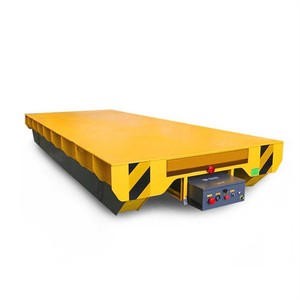
Wireless Hydro-Lift BWF Steering Wheel Electric Transfer Cart Speed Controller
BWF Steering Wheel Transfer Cart Speed Controller System
  • Drive Type: Dual Hydraulic & DC
  • Control Protocol: Wireless Remote / Rocker
  • Rated Voltage: 48V / 72V Heavy Drive
  • Application: Industrial Flat Cars
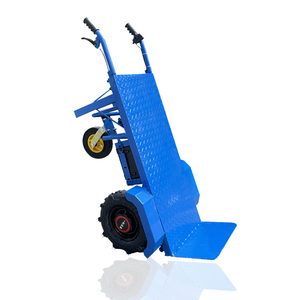
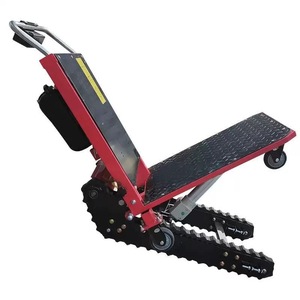
Precision Torque Stair Climbing Shopping Trolley Speed Control Module
500kg Capacity Stair-Climbing Trolley Speed Controller
  • Load Limit: 500 kg High Payload
  • Motor Match: 3-Wheel Crawler Drive
  • Features: Anti-Slip Ramp Braking
  • Customization: OEM Chassis & Speed Curves
High Voltage AC Off Road Golf Cart High Power Speed Controller
Off-Road Lifted Golf Cart 600A AC Speed Controller
  • Voltage Rating: 72V Lithium Compatible
  • Peak Current: 600 Amps High Output
  • Top Speed Limits: Programmable (App/PC)
  • Terrain Adaptation: Extreme Incline Torque
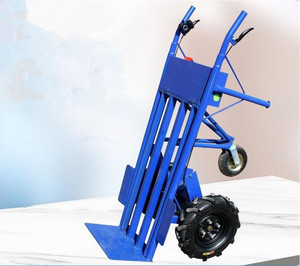
Portable Drive Heavy Electric Folding Cart Speed Controller
Heavy Electric Trolley Hand Truck Speed Control Unit
  • Design: Folding Compact Controller
  • Safety Features: Soft-Start Acceleration
  • Braking: Regenerative Assist
  • Battery Integration: 24V / 36V / 48V DC
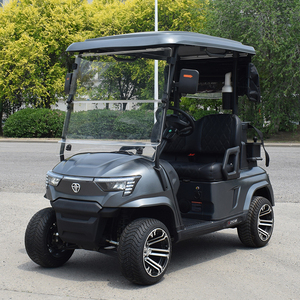
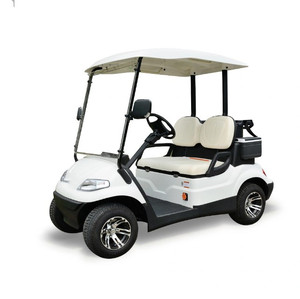
7.5kW AC Match Huanxin 2 Seater Lifted Golf Cart Speed Controller
48V/72V 2-Seater Lifted Buggy Motor Speed Controller
  • Motor Match: 48V / 72V 7.5kW AC
  • Thermal Mgmt: Heatsink Extrusion
  • Communication: CAN-bus J1939
  • Warranty: Extended Industrial Term
Crawler Drive Electric Crane Truck Climbing Stairs Speed Controller
Electric Crane Truck & Crawler Stair Speed Controller
  • Control Mechanism: Dual Motor Speed Sync
  • Enclosure: Heavy Potted Aluminum
  • Incline Hold: Zero-Rollback Logic
  • Protection: Overcurrent / Thermal
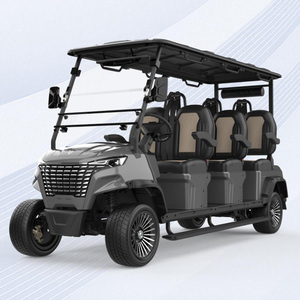
Commercial Fleet Greenrider Custom 6 Seater Utility Cart Speed Controller
6-Seater Utility Vehicle Heavy-Duty Speed Controller
  • Passenger Load: 6-Seater High Inrush
  • Battery Pairing: Lithium LiFePO4 BMS
  • Drive Modes: Eco / Normal / Sport
  • Compliance: CE / RoHS Certified
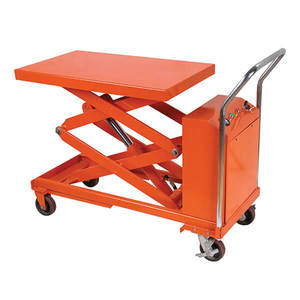
Hydraulic Sync Electric Hydraulic Lift Platform Platform Speed Controller
Hydraulic Lift Platform Precision Speed Control Module
  • Platform Height: Up to 1000mm Elevation
  • Control Type: Proportional Valve & Speed
  • Table Dimension: 1200 x 610mm Platform
  • Safety Limit: Microprocessor Shutoff
Industry Technical Whitepaper

Engineering Excellence in Speed Controller Manufacturing: China’s Global Footprint

In modern industrial electromobility and specialized utility transport, the electric motor speed controller serves as the critical neural hub connecting energy storage systems (Lithium-ion / Lead-Acid) to the mechanical powertrain. As global OEMs transition toward high-efficiency 72V architectures, advanced field-oriented control (FOC) algorithms, and seamless CAN-bus telematics, sourcing high-reliability speed controllers from premier China manufacturers has become a strategic imperatival advantage for procurement directors worldwide.

China's speed controller manufacturing ecosystem combines automated surface-mount device (SMD) assembly, rigorous automotive-grade thermal testing, and high-density MOSFET power stage design. Whether managing high-torque low-speed stair-climbing crawlers or high-throughput commercial golf buggies, Chinese exporters provide unprecedented flexibility, customization, and cost-to-performance efficiency.

Technical Architecture of Next-Generation Speed Controllers

To evaluate speed controller efficiency, engineers analyze the switching losses across high-frequency Power MOSFET arrays, thermal dispersion through aluminum heat sinks, and algorithm response during dynamic load fluctuations. The table below outlines key engineering metrics comparing standard speed controller architectures offered by leading Chinese OEM exporters:

Controller Parameter Analog DC Controllers Digital BLDC Controllers Advanced AC Vector (FOC) Drives
Operating Voltage 24V - 48V DC 36V - 72V DC 48V - 96V AC / PMSM
Power Efficiency 88% - 92% 93% - 96% 97.5% - 99.4%
Torque Ripple Control Moderate (Step-wise) Low (Hall Sensor) Ultra-Low (Sine Wave FOC)
Regenerative Braking Basic On/Off Switch Dynamic Amperage Recapturing Full Reverse Torque Vectoring
Thermal Dissipation Passive Heatsink Potted Aluminum Housing Active Thermal Control & Heat Pipe
Bus Communication PWM / Analog 0-5V CANopen / RS485 CAN-bus J1939 / Bluetooth OTA

By leveraging sinusoidal Field-Oriented Control (FOC), modern 72V speed controllers eliminate motor humming, optimize acceleration curves, and reduce heat buildup by up to 35% compared to conventional square-wave controllers. This ensures maximum operational range for battery-powered commercial vehicles.

Manufacturing Rigor & E-E-A-T Reliability Standards

Top-tier China speed controller factories operate under strict ISO9001:2015 and IATF 16949 quality management systems. Sourcing speed controllers requires verifying key manufacturing practices:

  • Automated SMT & Conformal Coating: Protecting delicate microprocessor circuitry against moisture, salt spray, and vibration through double-layer polyurethane or epoxy encapsulation (IP67 certification).
  • Full-Load Burn-In Chamber Testing: Subjecting every produced speed controller to continuous 100% rated current cycles under elevated ambient temperatures (up to 85°C) for 4 to 12 hours prior to packaging.
  • Dynamic Inrush Protection: Integrating solid-state pre-charge circuits and TVS diode suppression to prevent spark erosion and voltage spikes when connecting high-capacity lithium battery packs.
Why Partner With China Exporters

Integrated Engineering & Strategic Sourcing Advantages

Partnering with China’s top speed controller manufacturers grants international buyers direct access to world-class R&D expertise, custom firmware development, and streamlined global export logistics.

Custom Firmware & Map Calibration

Engineers program customized throttle response profiles, hill-hold deceleration logic, and maximum speed limiters directly tailored to your target vehicle chassis and safety standards.

Seamless Battery BMS Integration

Controllers interface natively with Lithium LiFePO4 Battery Management Systems (BMS) via CAN communication to automatically regulate current based on real-time cell temperatures and State-of-Charge (SoC).

Automotive Safety Protections

Built-in protective failsafes against reverse polarity, motor lock-up short circuits, thermal runaway throttling, low-voltage battery cutoffs, and throttle pedal fault detection.

Navitas & Global Plug-and-Play Compatibility

Designed to serve as direct OEM replacements or upgraded performance retrofits for major international controller brands (including Navitas, Curtis, and Sevcon drop-in fitments).

International Export & Regulatory Compliance

Fully compliant with global directives including CE (EN 61000-6-2/4 EMC standards), RoHS environmental guidelines, UL listing standards, and UN38.3 electrical safety metrics.

Rapid Prototype to Mass Production

Flexible tooling and agile engineering permit functional sample delivery within 10–14 days, backed by automated mass production lines capable of 50,000+ units monthly.

Future Industry Horizon

Speed Controller Procurement Trends (2026–2030)

As industrial automation and commercial utility fleets modernize, buying managers must align procurement strategies with emerging technologies driving speed controller innovations.

1. Widescale Adoption of Silicon Carbide (SiC) Inverters

Traditional Silicon (Si) MOSFETs are rapidly being replaced by Silicon Carbide (SiC) wide-bandgap semiconductors. SiC inverters reduce electrical switching power losses by up to 60%, tolerate operating temperatures exceeding 150°C, and permit vastly smaller heat sink footprints, dramatically increasing vehicle power density.

2. Wireless Cloud Telematics & Over-the-Air (OTA) Diagnostics

Future-ready speed controllers integrate Bluetooth Low Energy (BLE) and integrated IoT cellular modules. Fleet managers can now remotely monitor motor temperatures, download dynamic speed limiter updates, perform real-time diagnostic error code (DTC) reads, and flash firmware patches wirelessly without physically connecting diagnostic cables.

3. Unified 3-in-1 Integrated Electric Powertrains

Suppliers are increasingly consolidating separate components into single pre-calibrated housing units containing the Speed Controller, AC Synchronous Motor, and Precision Gearbox Reduction Unit. This 3-in-1 modular architecture reduces external high-voltage wiring harnesses, eliminates electro-magnetic interference (EMI), and lowers total vehicle assembly labor costs.

4. AI-Driven Adaptive Torque Vectoring & Energy Recapturing

Artificial intelligence algorithms integrated into speed controller DSP microprocessors analyze road slope, payload mass, and steering angle in real time. The system automatically adjusts torque output per wheel while optimizing regenerative braking efficiency, recovering up to 22% more kinetic energy during stop-and-go operation.

Procurement Guidance

Frequently Asked Questions (FAQ) for Sourcing Speed Controllers

Key technical and commercial answers to help procurement officers and engineering teams evaluate speed controller manufacturers in China.

Q1: What is the main difference between AC and BLDC speed controllers for electric utility vehicles?

Answer: Brushless DC (BLDC) speed controllers utilize trapezoidal commutation via Hall sensors, offering high initial starting torque at a lower hardware cost—ideal for light transport carts and stair climbers. In contrast, AC vector controllers utilize sinusoidal Field-Oriented Control (FOC), offering smooth acceleration, higher top-end efficiency (98%+), lower motor noise, and superior regenerative braking control, making them the gold standard for high-performance 72V lifted utility vehicles and commercial passenger buggies.

Q2: What customization options can Chinese OEM manufacturers program into speed controller firmware?

Answer: Leading China exporters provide extensive firmware customization including: customizable acceleration/deceleration ramp rates, maximum speed caps (for turf vs. street-legal compliance), regenerative braking force, anti-rollback hill-start hold time, battery undervoltage cutoff limits, maximum peak current duration, and custom CAN-bus J1939 telemetry messages for dashboard displays.

Q3: How do speed controllers protect lithium battery packs from damage?

Answer: Industrial speed controllers feature dedicated Lithium-Ion algorithms that dynamically communicate with the battery BMS. They implement soft voltage cutoffs when capacity drops below 15%, prevent high current draws when battery temperature exceeds safety thresholds, and restrict regenerative charging current when the battery is fully charged to avoid cell overvoltage.

Q4: What are the typical Minimum Order Quantities (MOQ) and lead times for OEM speed controller orders?

Answer: Standard catalog models usually have an MOQ of 10 to 50 units for evaluation. Custom OEM/ODM orders with modified hardware enclosures or unique connector harnesses typically require an MOQ of 200–500 units. Prototype samples can be shipped in 10–14 days, while full production run lead times range between 3 to 4 weeks upon final design approval.

Q5: How do China speed controllers ensure compliance with European (CE) and North American (UL) safety standards?

Answer: Qualified manufacturers design controllers with built-in Electromagnetic Interference (EMI) filtering circuits, high-voltage isolation barriers, and flame-retardant potting materials (UL 94-V0 rated). Official testing reports from accredited third-party laboratories (such as TÜV, SGS, or Intertek) are provided covering CE EMC directives (EN 61000 series) and UL 583/UL 2580 electrical safety compliance.

Q6: Can these speed controllers be retrofitted onto existing golf cart fleets powered by Navitas or Curtis controllers?

Answer: Yes. Manufacturers produce direct drop-in replacement speed controllers with identical mounting bolt patterns, plug-and-play wiring harness adapters, and pre-configured motor parameter maps matching common 48V/72V EZGO, Club Car, Yamaha, and custom lifted cart platforms.

Partner with China’s Leading Speed Controller Engineering Team

Need custom speed controller prototypes, bulk OEM pricing, or technical motor-matching assistance? Connect directly with our senior powertrain engineering specialists today.

Contact Us