Industrial & Utility Vehicle Leather Seating Systems
Engineered for extreme durability, ergonomic posture support, and severe duty cycles. Explore our featured customized seating assemblies exported worldwide to automotive Tier-1s, industrial machinery OEMs, and specialty vehicle builders.
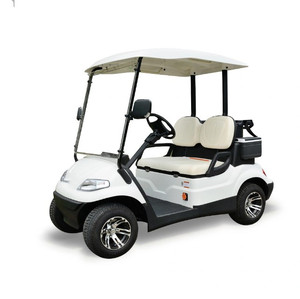
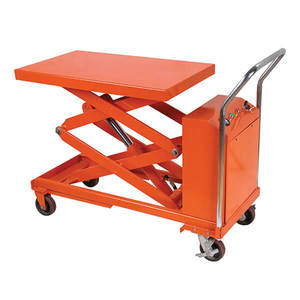
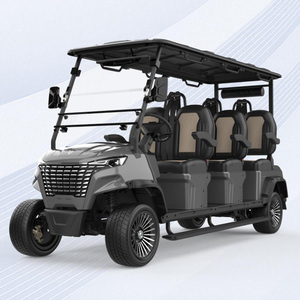
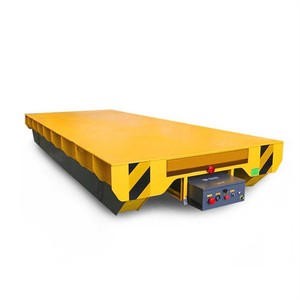
Technical Whitepaper: Engineering Criteria for Automotive & Heavy Machinery Leather Seating
Selecting a commercial leather seating supplier requires an end-to-end evaluation of material science, structural safety compliance, kinetic ergonomics, and supply chain reliability. As a premier China leather seats supplier and exporter, our engineering infrastructure is tailored specifically to solve complex seating challenges across electric vehicles (EVs), industrial lift trucks, material handling platforms, and commercial neighborhood electric vehicles (NEVs).
1. Advanced Material Science: Nappa, Microfiber Synthetic, and Heavy-Duty PVC
The automotive and industrial machinery sectors demand strict performance metrics for upholstery longevity. Conventional grain leather often suffers from micro-cracking and moisture degradation under continuous exposure to atmospheric ozone and UV radiation. To address these vulnerabilities, our material R&D laboratory focuses on advanced synthetic polymers and high-performance microfiber matrices.
| Performance Parameter | Microfiber Nappa Leather | Marine-Grade Premium PU | Heavy-Industrial Reinforced PVC |
|---|---|---|---|
| Tensile Strength (ISO 1421) | > 450 N / 5cm | > 380 N / 5cm | > 500 N / 5cm |
| Martindale Abrasion Endurance | 100,000+ Cycles | 50,000+ Cycles | 80,000+ Cycles |
| Flammability Resistance | FMVSS 302 Compliant | ISO 3795 Compliant | FAR 25.853 Certified |
| UV Color Fastness (SAE J2412) | Grade 4.5 (1000 hrs) | Grade 4.0 (800 hrs) | Grade 4.5 (1200 hrs) |
| Cold-Crack Temperature | -30°C (-22°F) | -20°C (-4°F) | -40°C (-40°F) |
2. Cold-Cure High-Resilience Polyurethane Foam Molding
Cushion fatigue is the leading cause of operator discomfort and premature seat failure. Unlike low-cost cut foam that collapses after months of daily use, our manufacturing plants exclusively utilize in-situ high-resilience (HR) cold-cure polyurethane foam molding.
- Controlled Density Calibration: Formulated between 55 kg/m³ and 65 kg/m³ density to achieve optimum compression deflections without structural sagging.
- Anatomical Pressure Distribution: Designed using CAD seating contours based on SAE J826 3D H-Point manikin standards to reduce peak sacral and ischial nerve pressures during long shift operations.
- Vibration Damping Co-efficient: Optimized resonance damping parameters reduce low-frequency chassis vibrations transmitted from heavy machinery or off-road terrains.
Our OEM Engineering & Export Infrastructure
Why leading vehicle builders, commercial utility truck designers, and material handling exporters partner with our manufacturing ecosystem.
IATF 16949 Quality Systems
Full automotive quality management compliance. Every batch undergoes rigorous tear-propagation testing, fogging checks (DIN 75201), and environmental chamber thermal aging.
Custom Tooling & CNC Stitching
Automated 3D CNC sewing machines deliver flawless stitch pitch alignment, decorative diamond quilting, custom logo embroideries, and integrated airbag tear seams.
Global OEM Logistics Ready
Exporting to over 65 nations with specialized moisture-barrier vacuum packaging, drop-tested corrugated crating, and just-in-time (JIT) container dispatch support.
2026–2030 Global Leather Seating Procurement Trends
The global automotive seating market is undergoing a seismic shift driven by vehicle electrification, environmental sustainability mandates, and the integration of occupant sensory technologies. Supply chain managers and procurement officers must align with manufacturers capable of navigating these future vectors:
A. Sustainable Bio-Based & Solvent-Free Synthetics
Regulatory pressures such as the EU REACH standard and California Proposition 65 are phasing out traditional Dimethylformamide (DMF) solvents in PU coating processes. Our next-generation production lines utilize 100% solvent-free waterborne PU and bio-based polyols derived from castor bean oil, reducing volatile organic compound (VOC) emissions by up to 85% while maintaining tactile luxury.
B. Thermal & Smart Sensor Integration
With the rise of commercial EVs and long-range electric buggies, energy efficiency is paramount. Heating the seat directly requires up to 70% less battery energy compared to heating an entire cabin space. Our engineering team builds embedded PTC carbon-wire heating elements, micro-fan ventilation systems, and capacitive occupant-detection sensors directly into the seating frame architecture.
C. Modular Platform Standardization
Fleet operators and vehicle assemblers are moving away from bespoke, non-standardized seat designs. Modular seating frames allow interchangeable cushions, adjustable armrests, and standardized slide-rail mounting dimensions (e.g., 280mm vs 310mm center-to-center pitch), reducing inventory complexity and streamlining aftermarket replacement.
Frequently Asked Questions for B2B Buyers
Essential engineering, quality assurance, and commercial order details for international sourcing teams.
What distinguishes your commercial leather seating from standard consumer automotive covers?
Our seating assemblies are engineered specifically for commercial and industrial duty cycles. This includes using heavy-gauge cold-rolled steel frames (Q235/Q345 grade), high-density cold-cure molded polyurethane foam (rather than slab foam), and synthetic leathers treated with anti-hydrolysis, anti-fungal, and UV-stabilizing additives tested up to 1,000 continuous hours.
Can your facility manufacture seating custom-tailored to our OEM dimensional drawings?
Yes. Over 80% of our production volume is dedicated to OEM/ODM custom projects. We can accept STEP/IGES 3D files or physical seat samples, manufacture mold tooling for foam cores within 25 days, and provide rapid 3D-printed metal frame prototypes for H-point and ergonomics testing.
What flammability and chemical safety certifications do your leather seats carry?
Our leather materials comply with major global automotive and industrial safety codes, including FMVSS 302 (US Automotive), ISO 3795, ECE R118 (Buses), REACH (EU chemical compliance), RoHS, and California TB 117-2013 flame retardancy standards.
What is your typical Minimum Order Quantity (MOQ) and production lead time?
For standard catalog modular seats, our MOQ starts at 50 units. For fully customized OEM projects requiring custom foam tooling and specialized leather colors, MOQ is typically 200 units per batch. Standard mass production lead time is 15 to 25 business days from final sample sign-off.
How do you ensure zero degradation during ocean freight transit?
All export shipments utilize heavy-duty corrugated wooden crates or vacuum-sealed polyethylene bags with active silica gel desiccant packs. This prevents mold growth, humidity damage, or salt-fog corrosion during multi-week ocean transport across varying climate zones.
Do you offer integrated seatbelt assemblies and mounting hardware?
Yes. We provide integrated 2-point static, 2-point retractable, and 3-point ELR (Emergency Locking Retractor) seatbelt systems certified under E-Mark (ECE R16) and FMVSS 209 requirements, pre-installed on the seat frame to ensure structural pull-test compliance.
Request Our Full OEM Leather Seating Technical Catalog
Accelerate your vehicle development timeline. Contact our engineering and export team today to receive physical leather material swatches, 3D CAD models, and factory-direct wholesale pricing.
Get Catalog