Industrial Grade Engineering & Custom Chassis Fabrication
As a premier China custom cart exporter, our industrial footprint spans complete end-to-end vehicle engineering. Unlike simple assembly operations, our facilities utilize high-tensile Q345B robotic welding chassis frames designed for tortuous industrial terrains, heavy material handling, and demanding passenger transport applications.
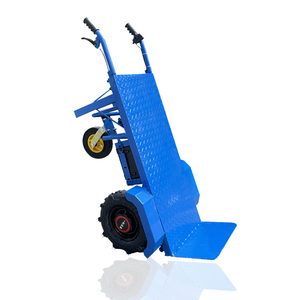
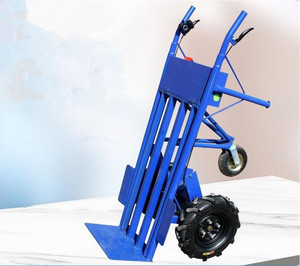
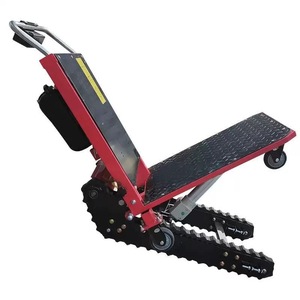
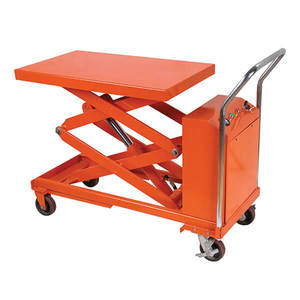
From specialized electric hydraulic lift platforms (such as the ETF100 series featuring 1000mm table elevations) to high-capacity 500kg stair-climbing crawler trolleys, every vehicle is subjected to finite element analysis (FEA) to ensure structural longevity under maximal static and dynamic stress loads.
Advanced Powertrains & High-Efficiency Controllers
Modern electric utility carts require intelligent power delivery. Our export platforms feature factory-matched Navitas 7.5kW AC induction motors and 600-Amp controllers, alongside robust 48V Huanxin AC systems engineered for instantaneous low-end torque delivery on 30% steep gradients.
Integrating CAN-bus diagnostic telemetry allows real-time health monitoring of 72V 150Ah Lithium Iron Phosphate (LiFePO4) energy storage units. This technical architecture eliminates legacy lead-acid maintenance, prevents thermal runaway, and delivers over 3,500 active charge cycles at 80% depth of discharge (DoD).
1. Structural Engineering & Load-Bearing Frame Architecture
In global industrial material handling and commercial neighborhood transport, structural fatigue is the primary failure mode of lower-tier utility carts. Export-grade manufacturing requires a paradigm shift toward modular monocoque and ladder-frame steel chassis treated with cathodic dip electrocoating (E-coating). This guarantees anti-corrosion protection exceeding 1,200 hours of salt spray exposure per ASTM B117 standards.
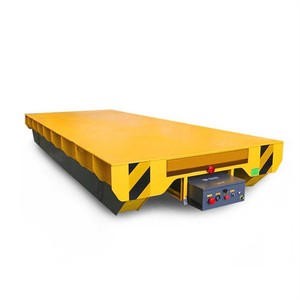
For heavy material transfer applications—such as the BWF Steering Wheel Electric Transfer Cart—double-axle omnidirectional steering geometry is implemented. This mechanical design distributes heavy point loads (from 1 ton up to 50 tons) across dual-bogie hydraulic suspension units, preventing localized floor degradation in modern automated logistics centers.
2. Powertrain Efficiency: AC Asynchronous vs. Permanent Magnet Synchronous Motors (PMSM)
Procurement teams must carefully evaluate motor topology based on operational duty cycles:
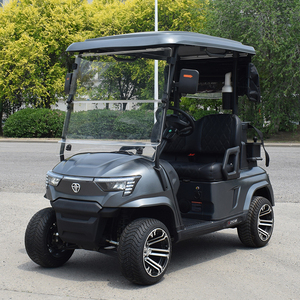
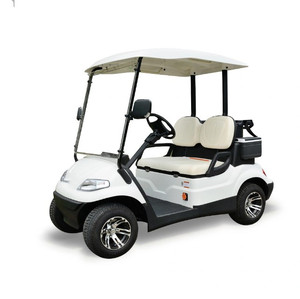
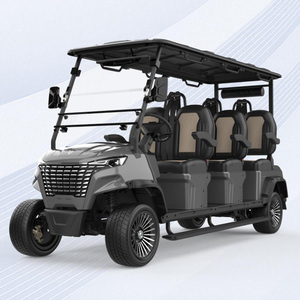
- AC Asynchronous Motors (e.g., 48V 4kW - 7.5kW): Ideal for utility golf buggies and off-road hunting carts (e.g., 6-seater lifted lithium models). Highly robust, low maintenance, and thermally stable under prolonged continuous duty.
- Permanent Magnet Synchronous Motors (PMSM): Preferred for compact stair-climbing hand trucks and crawler pickers where high power density and compact envelope dimensions are mandatory to maximize payload-to-weight ratios.
- Hydraulic Integrated Drive Units: Applied in electric lift platforms (such as the ETF100) combining DC electric motors directly with high-pressure fluid pumps for precise vertical positioning without drift under load.
3. Technical Specification Comparison Across Commercial Utility Categories
| Cart Category | Typical Voltage Platform | Max Payload / Lift Capacity | Powertrain System | Primary Commercial Use Case |
|---|---|---|---|---|
| Hydraulic Transfer Flat Cars | 48V - 72V DC/AC | 1,000 kg - 50,000 kg | Hydraulic Pump + Heavy Axle Drive | Factory Floor Heavy Dies, Steel Coil & Machinery Transfer |
| Electric Stair Climbing Trolleys | 24V - 48V Lithium | 200 kg - 500 kg | Crawler Track / Triple-Wheel Drive | Last-Mile Logistics, Appliance Delivery & High-Rise Building Logistics |
| Lifted Commercial Golf Buggies | 48V / 72V LiFePO4 | 400 kg - 800 kg (2 to 6 Seats) | 7.5kW Navitas / AC Motor + 600A Controller | Resort Mobility, Eco-Tourism, Off-Road Hunting & Commercial Transport |
| Hydraulic Scissors Lift Platform | 24V / 48V Integrated | 500 kg - 1,500 kg | Electric Hydraulic Ram Assembly | Order Picking, Assembly Line Elevation & Maintenance Operations |
4. The Shift to 72V Lithium Iron Phosphate (LiFePO4) Battery Chemistry
Legacy 48V flooded lead-acid battery packs impose severe operational bottlenecks: frequent water replenishment, terminal sulfation, high deadweight, and rapid capacity degradation after 400-500 cycles. Top Chinese custom cart exporters have completely modernized production lines to standardize on modular 72V 150Ah LiFePO4 smart battery packs.
Key technical benefits include an internal smart BMS offering over-current, over-voltage, thermal runaway cut-off, and cell-balancing capabilities. Furthermore, fast-charging lithium architectures allow 0-to-80% replenishment within 90 minutes, enabling multi-shift industrial operation without battery swapping downtime.
1. Fleet Telemetry & Autonomous IoT Integration
The next decade will see complete digitization of commercial cart fleets. Chinese manufacturers are rapidly integrating 4G/5G IoT telematics boxes directly into controller wiring harnesses. Fleet supervisors can remotely track vehicle GPS location, monitor real-time battery cell health, restrict operational speed zones via geo-fencing, and diagnose electrical faults prior to mechanical failure.
2. Modular CKD/SKD Export Strategies for Tariff Optimization
To mitigate evolving international import tariffs and optimize maritime freight costs, leading exporters now supply vehicles in Completely Knocked Down (CKD) or Semi-Knocked Down (SKD) modular kits. Standardized bolt-together chassis assemblies allow regional distributors to perform localized final assembly while scaling local labor and duty benefits.
Ready to Upgrade Your Commercial Cart Fleet or Import Lineup?
Connect directly with our engineering team to request full technical spec sheets, factory direct OEM pricing, and comprehensive product catalogs.