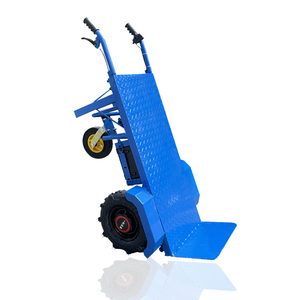
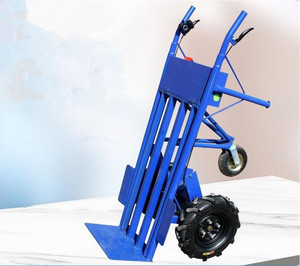
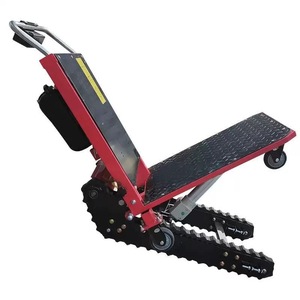
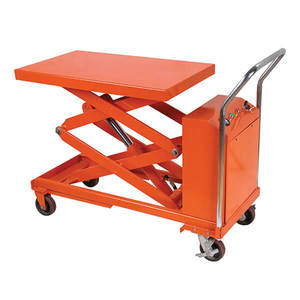
BWF Steering Wheel Hydraulic Lift Flat Transport Cart
- Drive TechRocker Wireless Remote
- Lift MechanismHydraulic Platform
- Battery IntegrationCustom 48V/72V LFP Pack
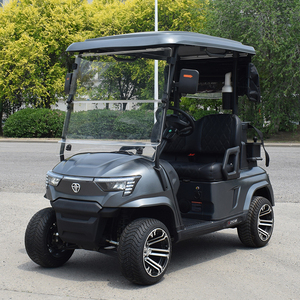
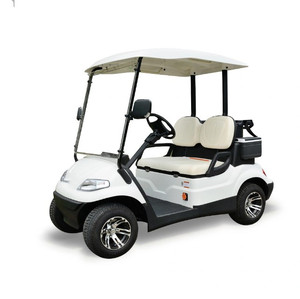
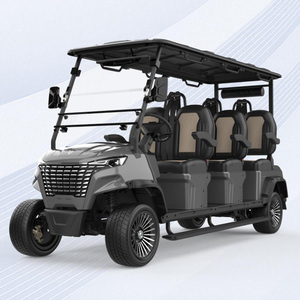
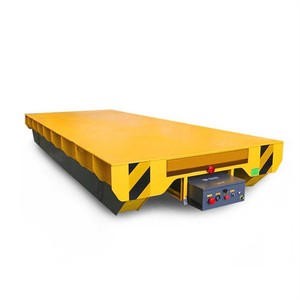
High-torque electric drivetrains, stair-climbing material handlers, heavy-duty flatbed carts, and utility electric golf vehicles powered by advanced China lithium battery assemblies.
Why top tier global OEMs choose Chinese battery pack manufacturers for critical powertrain integration, heavy-duty logistics, and high-voltage neighborhood electric vehicles (NEVs).
Top Chinese suppliers implement fully automated cell capacity, internal resistance (IR), and voltage matching prior to module assembly. Laser micro-welding ensures zero-resistance nickel-copper busbar connections resistant to high-vibration industrial applications.
Featuring custom Battery Management Systems (BMS) integrated with standard CAN-bus interfaces (such as Navitas, Curtis, and Zapi motor controllers). Real-time telemetry tracks cell thermal gradients, SOC, SOH, and prevents short circuits.
Heavy-duty aluminum alloy housings with IP67 water and dust resistance protect energy storage packs across rugged outdoor terrains. Integrated phase-change materials (PCM) and structural silicone padding eliminate thermal runaway risks.
The global energy transition has driven rapid evolution across the Chinese lithium battery supply chain. B2B buyers and procurement officers sourcing battery packs for electric vehicles, material handling carts, and industrial automation are transitioning from simple component purchasing to holistic powertrain co-engineering. Understanding these key macro trends is vital to maintaining competitive advantage.
Industrial cart equipment and golf carts are rapidly migrating from 48V lead-acid or standard lithium systems to 72V and 96V high-voltage platforms. Higher operating voltage reduces current draw by over 30%, suppressing heat generation and extending cycle life during heavy climbing loads.
Modern Chinese suppliers are eliminating intermediate module housings. By placing lithium iron phosphate (LiFePO4) prismatic cells directly into structural battery trays, volumetric energy density increases by 25% to 35% while structural rigidity improves for off-road utility applications.
Procurement specifications now frequently mandate cloud-connected Smart BMS architecture. Integrated 4G/GPS telematics push health diagnostics directly to fleet management platforms, enabling predictive maintenance before a cell voltage drift creates operational downtime.
In response to international regulatory mandates, top tier Chinese battery factories are embedding QR-code based Battery Passports. B2B buyers gain end-to-end traceability of raw materials, recycled cobalt/nickel content, and verified carbon footprint data required for global import compliance.
Strategic Procurement Takeaway: Modern sourcing contracts require suppliers to guarantee BMS software open API access, UN38.3 hazardous goods transit certification, and minimum 80% capacity retention over 3,500 continuous 1C charge-discharge cycles.
Lithium Iron Phosphate (LiFePO4) has firmly established itself as the dominant chemistry for commercial electric utility transport, stair-climbing trolley trucks, and heavy industrial lift platforms. The key technological differentiators among leading Chinese manufacturers focus on safety engineering, cold-weather efficiency, and factory-matched motor-controller-battery eco-systems.
Historically, low-speed electric vehicles (LSEVs) suffered from mismatched aftermarket components—combining third-party motors with off-the-shelf controllers and uncalibrated battery packs. China's top factories now deliver fully matched powertrain ecosystems. For example, pairing a 72V 150Ah LiFePO4 battery pack directly with a Navitas 7.5kW AC motor and Navitas 600-Amp controller allows precision tuning of torque curves, regenerative braking deceleration, and hill-hold safety profiles via factory mobile applications.
Furthermore, innovations in low-temperature chemistry allow self-heating lithium battery packs to operate seamlessly down to -30°C. Internal silicone heating blankets powered by incoming charge current pre-heat cell cores before enabling charge acceptance, allowing stair-climbing carts and industrial flatbeds to perform reliable logistics work in freezer warehouses and northern winter conditions.
Expert answers regarding battery chemistry selection, customization, shipping regulations, and quality assurance testing when sourcing from China.
Connect with our senior engineering team to request technical specifications, custom BMS CAN-bus protocol documentation, factory audit reports, or volume OEM pricing quotes.
Send an Inquiry