Featured Cart & Automotive Windscreen Solutions
Direct OEM & AFTERMARKET Laminated Safety Glass Engineered for Global Vehicle Assemblies, Luxury Electric Carts, and Automotive Replacements
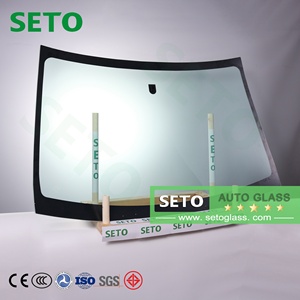
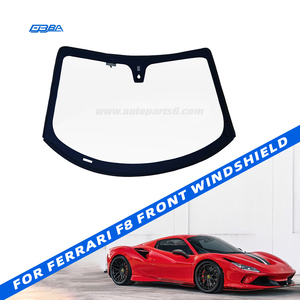
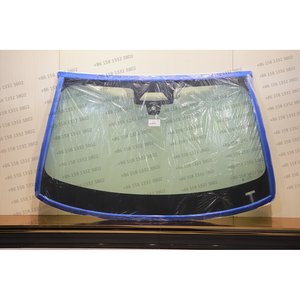
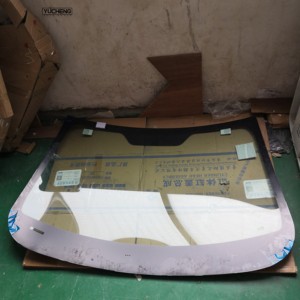
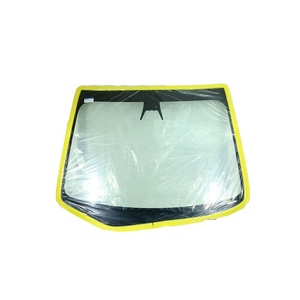
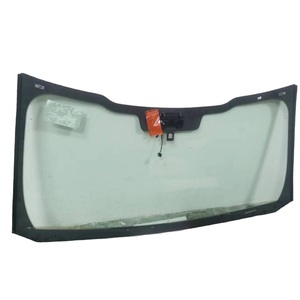
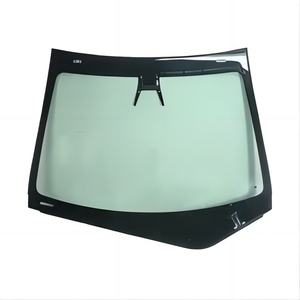
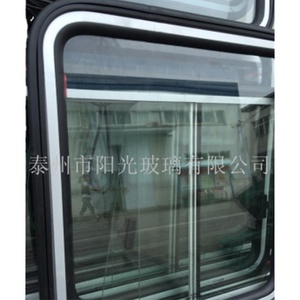
Executive Whitepaper: Sourcing Windscreen Glass from China
An Engineering & Procurement Deep Dive for Global Automotive OEMs, Fleet Operators, and Aftermarket Distributors
The global automotive glazing and transport windscreen market is undergoing a seismic shift driven by vehicle electrification, low-speed electric vehicle (NEV/Golf Cart) adoption, and stringent global safety regulations. As international procurement directors evaluate supply chain resilience, identifying verified China Best Cart Windscreen Manufacturers & Factories requires analyzing technical capabilities beyond basic unit pricing.
Modern windscreen manufacturing is no longer a simple mechanical thermal bending process. Today's automotive and cart windscreens serve as critical structural safety components, integrated optical lenses for Advanced Driver Assistance Systems (ADAS), acoustic isolation barriers, and thermal regulation envelopes. Leading Chinese automotive glass manufacturers have invested heavily in automated cleanrooms, computerized CNC bending kilns, and multi-layer Polyvinyl Butyral (PVB) autoclave processing to meet DOT (USA), ECE R43 (Europe), and CCC (China) regulatory benchmarks.
Purchasing directors must audit factory capabilities for Zeiss Optical Distortion Analysis and Autoclave De-serialization. Top-tier Chinese windscreen factories maintain sub-millimeter edge tolerances (±0.5mm) and utilize high-grade PVB interlayers (such as Eastman Saflex or Sekisui) to prevent delamination under extreme environmental conditions (-40°C to +90°C).
Core Manufacturing & Engineering Competencies
Key Architectural Pillars Behind China's Premier Automotive & Utility Cart Glass Export Infrastructure
Multi-Layer PVB Lamination
Utilizing high-tensile 0.76mm to 1.52mm acoustic PVB interlayers bonded between dual float glass sheets in class-1000 cleanroom environments to guarantee anti-shatter integrity and UV absorption > 99%.
CNC Gravity Bending Kilns
Automated multi-station gravity and press-bending furnaces ensuring perfect spherical or complex dual-curvature alignment for luxury electric golf carts, SUVs, and high-performance sport vehicles.
Integrated Smart Glass Tech
Advanced integration of ceramic frit black border masking, anti-fog heating elements, heads-up display (HUD) wedge interlayers, and integrated bracket assemblies for ADAS cameras.
Optical Quality & Laminated Safety Glass Technical Matrix
To assist OEM procurement teams and automotive aftermarket importers, the following technical evaluation matrix outlines the critical parameters enforced by premier Chinese windscreen factories versus standard budget suppliers.
| Performance Specification | Tier-1 China OEM Standard | Standard Commercial Grade | Testing Benchmark |
|---|---|---|---|
| Visible Light Transmittance (VLT) | > 75% to 82% (Clear/Solar Tint) | 65% - 70% | ISO 3538 / ECE R43 |
| Optical Distortion Angle | < 2 minutes of arc (No haze/blur) | < 6 minutes of arc | Zeiss Grid / Shadowgraph Test |
| Impact Resistance (Drop Ball) | 2260g steel ball dropped from 4m (No penetration) | 2260g ball from 3m | ANSI Z26.1 / DOT-617 |
| PVB Moisture Content | 0.35% - 0.55% controlled | Unmonitored batching | Karl Fischer Titration |
| Edge Profile Finish | Automated C-shape diamond ground | Seamed / Rough cut edge | Micro-crack Laser Inspection |
| Acoustic Decibel Reduction | 3dB - 5dB reduction (1kHz - 4kHz) | Standard Transmission Loss | SAE J1400 Noise Test |
Navigating Custom Cart Windscreens: Golf Carts, NEVs & Utility Vehicles
In addition to standard passenger car aftermarket windshields (such as those for Tesla, BMW, and Ferrari listed in our product showcase), China’s manufacturing hub leads the global market in customized front windscreens for Neighborhood Electric Vehicles (NEVs), luxury 72V lithium electric golf carts, and commercial utility fleets.
Custom cart windscreens present unique engineering requirements. Unlike standard automotive glass glued permanently into a unibody frame, cart windscreens often utilize fold-down hinge mechanisms, top-rail rubber seals, or quick-release mounting brackets. Sourcing from experienced Chinese manufacturers guarantees:
- DOT-Certified Acrylic vs. Laminated Safety Glass Options: Understanding when to specify AS-1 laminated safety glass (required for street-legal LSV/NEV registration in North America) versus high-impact AS-6 optical grade polycarbonate or PMMA for off-highway turf carts.
- UV-Resistant Polycarbonate Hinge Assemblies: Co-extruded flexible living hinges that withstand repeated folding without cracking or yellowing under high UV index conditions.
- Vibration & Noise Dampening: Precision-molded perimeter gaskets engineered to absorb high-frequency chassis vibrations experienced on rough terrain or gravel paths.
Global Sourcing & Technology Trends (2026–2030)
Key Strategic Innovations Shaping Next-Generation Automotive and Electric Cart Glazing
As the international automotive industry shifts toward smart mobility and sustainable supply chains, procurement teams must align with factories capable of adapting to emerging technical trends. China’s leading windscreen manufacturers are pioneering several groundbreaking innovations:
1. Solar Thermal Control & Low-E Electrochromic Glazing
With electric vehicles (EVs) and high-voltage golf carts seeking maximum battery range, reducing cabin HVAC energy consumption is paramount. Modern windscreens feature micro-thin metallic oxide coatings (Low-E) integrated inside the laminated sandwich. This technology reflects up to 65% of total solar infrared energy while maintaining total optical compliance, drastically extending vehicle driving range in warm climates.
2. Integrated Smart Sensors & ADAS Camera Mounting Brackets
The integration of lane-departure sensors, rain sensors, and LiDAR brackets directly onto the interior ceramic frit of the windscreen has become standard. Top Chinese manufacturers employ robotic vision positioning systems to bond sensor brackets with micron-level precision, preventing sensor misalignment during windshield replacement.
3. Lightweight Ultra-Thin Laminated Formulations
Traditional automotive windscreens utilize a 2.1mm + 2.1mm glass pairing with a 0.76mm PVB core, yielding a total thickness of ~5.0mm. Emerging EV and high-end cart specs demand 1.6mm + 1.6mm or hybrid chemically toughened inner layers. This achieves a weight reduction of up to 25% without sacrificing shatterproof impact standards.
Factory Advantage & Quality Assurance Infrastructure
Why Tier-1 Importers and OEMs Partner with Premier Chinese Windscreen Manufacturers
Navigating international OEM partnerships requires absolute transparency into manufacturing methodology and factory operations. The core advantages of partnering with top-tier Chinese glass manufacturing facilities include:
End-to-End OEM/ODM Tooling
In-house CNC mold-making shops capable of developing complex, custom curvature glass molds from CAD/STEP files within 14 business days, drastically shortening sample validation cycles.
Rigorous Quality Auditing
100% inline automated optical inspection (AOI) checking for optical distortion, pinholes in ceramic frit, bubble inclusions, and edge stress points prior to final sea-freight packaging.
Logistics & Export Packaging
Custom fumigated plywood crates with moisture-proof vacuum wrapping, anti-mildew powder interleaving, and shock-absorbing rubber corner pads engineered for zero-breakage container shipping.
Frequently Asked Questions (FAQ) for B2B Sourcing
Direct Insights for Purchasing Managers, Importers, and OEM Assembly Plants
Connect with China's Premier Windscreen Manufacturers
Request comprehensive product catalogs, OEM engineering drawings, volume wholesale pricing, or custom mold development support today.