Engineering Excellence in Golf & Commercial Electric Vehicle Infrastructure
The global transformation of neighborhood electric vehicles (NEVs), industrial low-speed electric vehicles (LSEVs), and commercial golf cart fleets demands unprecedented component precision and structural integrity. As global OEMs shift from legacy 48V architectures toward heavy-duty 72V lithium-ion platforms, sourcing certified, high-gain replacement and upgrade components has become a critical strategic imperative.
Navigating China’s manufacturing ecosystem requires technical rigor, strict adherence to IATF 16949:2016 quality management systems, and complete transparency in metallurgical alloy composition, deep-drawn stamping, and micro-precision CNC machining. This engineering whitepaper outlines the structural standards, procurement trends, and advanced product lines offered by China’s premier golf cart and automotive parts export consortium.
Precision Cart & Auto Parts Product Showcase
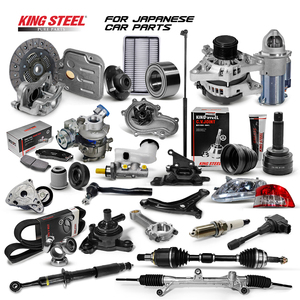
Examine our Tier-1 export components engineered for high-stress golf cart suspension, high-torque drivetrain assemblies, advanced telemetry sensors, and custom forged wheel fitments.
Metallurgical Excellence & Manufacturing Competence
Our manufacturing consortium bridges the gap between raw material science and finished assembly performance. Sourcing components from Tier-1 Chinese exporters guarantees access to state-of-the-art metal forming, cold-forging press lines, and automated plating processes.
10,000-Ton Isothermal Forging
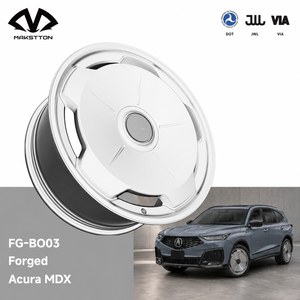
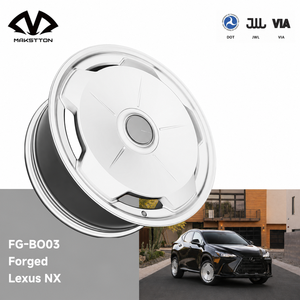
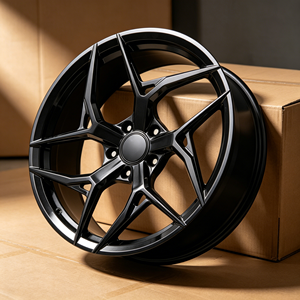
Forged wheel rims (such as the Makstton BO03 series) utilize aerospace-grade 6061-T6 aluminum billets subjected to 10,000 tons of hydraulic pressure. This eliminates internal porosity, aligns grain structures, and yields a 30% higher strength-to-weight ratio than cast alternatives.
5-Axis CNC Precision Milling
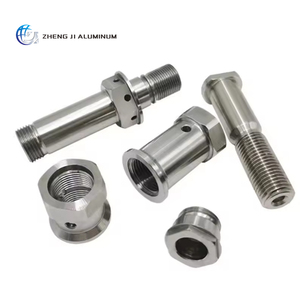
Our CNC machining infrastructure handles complex geometries for engine components, speed reducer gearcases, and custom brake calipers with tolerances tight to ±0.005mm. Fully automated CMM (Coordinate Measuring Machines) inspect 100% of critical dimensions.
IP67 Electrical Insulation & Seal
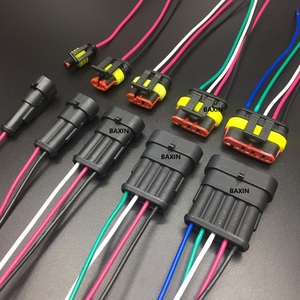
Electrical harness components utilize AMP waterproof multi-pin connectors molded from high-grade thermoplastic polyamides. Dual-lip silicone gaskets protect signal integrity against mud, salt, water immersion, and thermal cycling from -40°C to +125°C.
Material Science & Technical Benchmark Matrix
Compare standard market replacement parts against our factory direct OEM export standards:
| Specification Parameter | Standard Aftermarket Grade | Our Export Factory Standard | Operational Advantage |
|---|---|---|---|
| Wheel Alloy Metallurgy | Cast A356 Aluminum | 10,000-T Forged 6061-T6 Aluminum | +45% Tensile Strength, -20% Unsprung Weight |
| Machining Tolerance | ±0.05 mm to ±0.1 mm | ±0.005 mm (5-Axis CNC) | Eliminates Drivetrain Vibration & Bearing Wear |
| Corrosion Resistance | 240-Hour Basic Spray | 960-Hour ASTM B117 Salt Spray Coating | Prevents Rust in Coastal & De-Iced Environments |
| Wire Harness Sealing | Non-Sealed / PVC Tape | IP67 Sealed AMP Waterproof Connectors | Zero Voltage Drops & Corrosion Protection |
| Suspension Steel Grade | Standard Q235 Carbon Steel | Japanese Tech High-Tensile Steel (SAE 4140) | Prevents Deformation Under Max Payload Loads |
Industry Development Trends Shaping Cart Component Sourcing
The global low-speed electric vehicle market is transitioning rapidly from basic recreational golf buggies into highly sophisticated, street-legal Neighborhood Electric Vehicles (NEVs) and heavy-duty utility task vehicles (UTVs). Sourcing managers must realign their supply chains to accommodate several key technological shifts:
1. Shift Toward 72V High-Voltage Lithium Powertrains
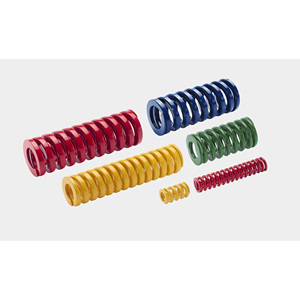
Traditional 48V lead-acid systems are quickly becoming obsolete due to high weight, short life cycles, and high maintenance overhead. Modern vehicle fleets are adopting standard 72V high-capacity (150Ah+) lithium-ion architectures. This upgrade requires heavier-gauge wiring harnesses, higher-amperage (600A+) controllers like Navitas, and reinforced chassis springs capable of managing instant low-end electric torque without axial twist.
2. Modular Chassis & Suspension Standardization
Fleet operators and custom cart builders require modularity. Leading Chinese factories are developing unified control arm geometries, standardized hub PCD bolt patterns (such as 5x112 and 5x114.3), and universal shock absorber mounts. This allows a single chassis platform to serve as a 2-passenger turf cart, a 4-passenger forward-facing family cruiser, or a 6-passenger commercial shuttle.
3. High-Precision Deep-Drawn Sensor Integration
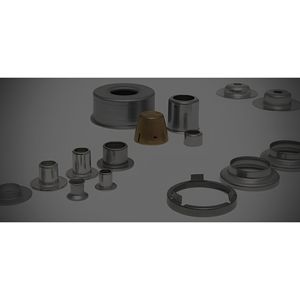
As smart telemetry, digital displays, and mobile app-based vehicle diagnostic monitoring become standard on luxury carts, the demand for precision sensor components has surged. Deep-drawn metal housings provide electromagnetic shielding (EMI protection) for hall-effect speed sensors, motor temperature sensors, and electronic braking system (EBS) modules.
Future Procurement Trends for Global Distributors & OEM Buyers
To maintain a competitive edge, procurement officers and B2B buyers must evaluate China’s best cart parts exporters based on holistic, long-term operational criteria:
Low-Carbon Aluminum Alloys
Global regulatory bodies are enforcing carbon footprint tracking across automotive component lifecycles. Top Chinese alloy wheel manufacturers are adopting recycled green aluminum and hydro-powered smelting processes to reduce Scope 3 upstream emissions.
Direct Digital Twin Prototyping
Leading exporters now offer rapid CAD-to-prototype workflows using 3D metal printing and virtual finite element analysis (FEA). This reduces tooling development lead times for custom wheel offsets or branded suspension components from months to under 14 days.
Agile Supply Chain Resilience
Buyers are moving away from single-item sourcing toward unified component packages. Contracting with a comprehensive exporter for wheels, wiring harnesses, springs, and CNC parts drastically reduces freight consolidation costs and import clearance friction.
Enterprise Supply Chain Advantages & Manufacturing Infrastructure
As a leading consortium of China’s top cart parts factories and certified exporters, our operational model is built on providing verifiable information gain, complete quality assurance, and direct factory pricing.
Global Tier-1 Compliance
Every factory within our export network operates under strictly audited quality systems. We provide full material traceability certificates (MTCs), RoHS compliance documentation, and REACH safety declarations for European, North American, and Australian import markets.
Custom ODM/OEM Contract Manufacturing
Whether you require custom logo engraving on forged wheel caps, custom pin-out wire harnesses for proprietary controllers, or bespoke powder-coated suspension springs, our engineering team manages your project from initial CAD drafting through volume mass production.
Frequently Asked Questions (FAQ) for Cart Parts Procurement
Initiate Your OEM/ODM Procurement Project Today
Connect directly with our senior application engineering team to request technical drawings, custom quotation matrices, or factory audit documentation.