Industrial Electric Carts, Transport Platforms & Certified Ergonomic Assemblies
Engineered for extreme duty cycles, CE-compliant structural integrity, and ergonomic driver comfort across utility, golf, stair-climbing, and material handling applications.
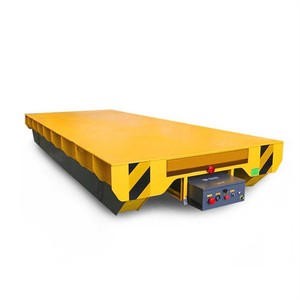
BWF Steering Wheel Electric Transfer Cart Hydraulic Lift Flat Car Transport Trolley with Rocker Wireless Remote
- Control: Wireless Remote / Rocker
- Hydraulics: Heavy Duty Lift
- Certification: CE Industrial Grade
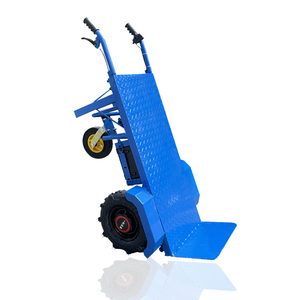
Electric 500kg Loading Capacity Stair Climbing Shopping Trolley Cart Truck With Three-Wheel OEM Structure
- Payload: 500 kg Heavy Load
- Drive System: Three-Wheel Tri-Star
- Frame: Reinforced Steel OEM
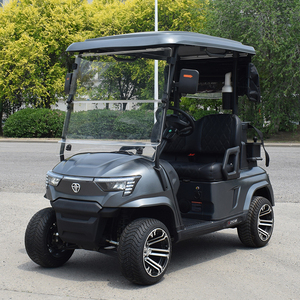
Wholesale Price Club Car Lifted Passenger Golf Cart Best Selling Off Road Golf Cart Chassis & Seating
- Terrain: Off-Road Lifted
- Seating: Ergonomic LUX Leather
- Voltage: 48V / 72V Compatible
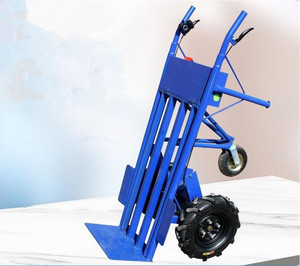
Heavy Electric Trolley Hand Truck Portable Stair Climbing Folding Cart For Commercial Logistics
- Portability: Quick-Folding Frame
- Motor: High-Torque Electric
- Application: Logistics & Transport
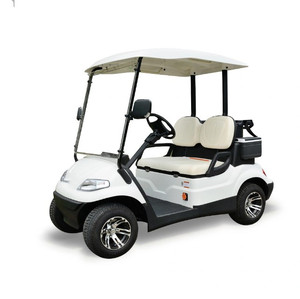
Huanxin 2 Seater Lifted Golf Cart Buggy Car with 48v AC Motor & Certified Dynamic Seating
- Capacity: 2-Passenger Compact
- Powertrain: 48V High-Efficiency AC
- Seats: Weather-Resistant Foam
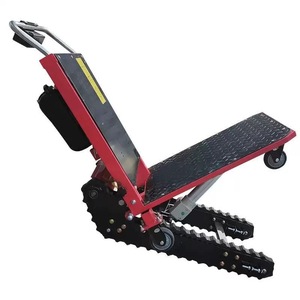
Electric Crane Truck Climbing Stairs Trolley Crawler Climbing Stairs Picker & Heavy Load Platform
- Mechanism: Crawler & Mini-Crane
- Safety: ISO 13849 Compliance
- Operator: Standing/Seated Dock
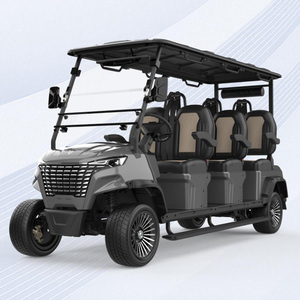
Greenrider Custom Wholesale 6 Seater Seat Hunting Lithium Electric Utility Off-Road Lifted Golf Cart
- Capacity: 6-Passenger Multi-Row
- Battery: Lithium LiFePO4 Integrated
- Interior: Diamond Stitch Custom
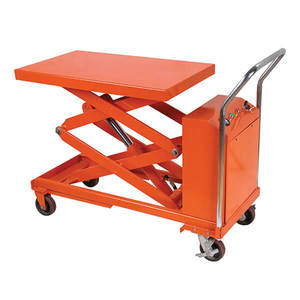
Electric Hydraulic Lift Platform ETF100 1000mm Max Height 1200x610mm Large Table Dimension Cargo Cart
- Max Elevation: 1000 mm Hydraulic
- Platform: 1200 x 610 mm Steel
- Duty Class: Heavy Industrial ETF
1. Executive Summary & Engineering Compliance Standard for Cart Seating
In the rapidly expanding global market for electric utility vehicles, low-speed neighborhood electric vehicles (NEVs), stair-climbing transport carts, and automated industrial transfer platforms, the seating assembly has evolved from a secondary accessory to a critical safety, structural, and ergonomic subsystem. As modern utility carts transition toward higher torque systems—utilizing 72V lithium-ion platforms, high-output 7.5kW Navitas motors, and heavy-duty hydraulic lifting mechanisms—the physical demands placed upon seat frames, cushion polymers, and mounting brackets have escalated exponentially.
A primary criterion for global procurement directors, OEM assembly lines, and commercial fleet managers is verified compliance with European Health, Safety, and Environmental protection standards. A genuine CE Certified Cart Seats Manufacturer & Factory must demonstrate complete alignment with European Union Directives, specifically the Machinery Directive 2006/42/EC, the Low Voltage Directive (LVD) 2014/35/EU (for integrated electronic seat heating or occupancy sensor systems), and stringent fire-retardant standard EN 1021-1/2.
Information Gain Insight: Structural seat integrity directly dictates operator safety during high-tilt angle operations, off-road transit, and heavy cargo elevation. CE marking is not merely a stamped label; it verifies dynamic load distribution, impact resistance under ISO 16840 protocols, and non-toxic flame-retardant polyurethane foam chemistries.
Structural Integrity (EN 1176)
High-tensile cold-rolled steel frame sub-assemblies treated with electro-phoretic deposition (EDP) to prevent internal oxidation and structural failure under 500kg+ dynamic stresses.
Ergonomic Biomechanics
Molded polyurethane cushions engineered with dual-density foam zones—providing high lumbar support while dampening chassis vibrations from off-road suspensions and crawler tracks.
Marine-Grade Weathering
UV-stabilized, anti-microbial synthetic marine leatherette upholstery capable of enduring 2,000+ hours of continuous QUV solar exposure without surface cracking or seam delamination.
2. Technological & Development Trends in Cart Seating Manufacturing
The global manufacturing ecosystem for cart seating is undergoing a major technological transformation. As electric transport buggies, hydraulic scissor lift carts, and stair-climbing hand trucks become more sophisticated, seating systems are required to integrate intelligent features and flexible modularity.
A. Smart Seating Integration & Telematics Compatibility
Modern commercial logistics vehicles and high-end 6-passenger golf buggies increasingly adopt connected vehicle architectures. Leading factories now embed micro-switches, seat-belt buckle telemetry sensors, and presence-detection weight mats directly within the seat cushion matrix. These sensors communicate via CAN-bus networks to the vehicle controller (such as a 600A Navitas system), automatically restricting motor power or applying electromagnetic emergency brakes when an operator vacates the seat position.
B. High-Density Cold-Cured Polyurethane Foam Chemistry
Traditional hot-molded foam cushions deteriorate under intense industrial usage, suffering permanent compression set within months. Next-generation factory lines utilize High-Resilience (HR) Cold-Cured Polyurethane Foam with a closed-cell skin. Cold-cure chemistry allows precise density tuning (55–65 kg/m³), ensuring that after 100,000 seating cycle load tests, the cushion retains 98% of its original contour and firmness.
C. Modular Frame Bolt-Patterns & Universal Adapter Plates
Procurement bottlenecking often occurs when cart manufacturers change chassis geometry. Advanced OEMs employ standardized universal bolt-pattern grids on the underside of seat pan sub-structures. This modularity allows seamless retrofitting across varied platforms—including 2-seater compact buggies, 4-seater forward-facing passenger carts, elevated off-road hunting vehicles, and heavy industrial hydraulic platform trucks.
| Performance Metrics | Legacy Aftermarket Seats | CE Certified OEM Standard Seats | Next-Gen Heavy Industrial Cart Seats |
|---|---|---|---|
| Base Material | Recycled Plywood / Low PVC Plastic | Virgin ABS / Blow-Molded Polypropylene | Robotic-Welded EDP Coated Tubular Steel |
| Foam Technology | Cut Block Polyurethane Foam | Standard Hot-Molded PU Foam | Dual-Density HR Cold-Cured Closed-Cell PU |
| Fire Retardancy | None / Non-Compliant | EN 1021-1 Certified | UL94-V0 & FMVSS 302 Flame Retardant |
| Upholstery Resilience | Standard Vinyl (UV Rating 200 hrs) | Commercial Marine Leatherette (800 hrs) | Diamond-Stitched Micro-Perforated (2000+ hrs) |
| Safety Harness Anchors | Non-Reinforced Screw Holes | Standard 2-Point Lap Anchor | CE & DOT Approved Integrated 3-Point Belt Anchor |
3. Future Purchasing & Strategic Sourcing Trends for B2B Buyers
Global B2B buyers—ranging from OEM vehicle assemblers to regional equipment distributors—are shifting their purchasing behaviors. The historical strategy of selecting suppliers solely based on low unit price has proven risky due to high warranty return rates, regulatory customs seizures, and supply chain fragility. Strategic procurement now prioritizes several critical factory competencies:
Total Cost of Ownership (TCO)
Evaluating long-term reliability over initial acquisition price. Premium seat construction drastically reduces warranty claims, dealer replacement labor, and customer dissatisfaction over a 5-to-10 year operational lifecycle.
Audit-Ready CE Documentation
Buyers require instant access to full technical construction files (TCF), laboratory flammability test reports, and ISO quality audit trail certifications to ensure smooth customs clearance in European and North American ports.
OEM Customization (ODM Depth)
The demand for custom colorways, custom logo embroidery, high-visibility piping, diamond-stitched patterns, and specialized heating elements tailored to niche municipal or resort vehicle fleets.
4. Enterprise Manufacturing Advantages & Quality Control Architecture
Extrapolating from industry-leading engineering practices—such as those pioneered by high-end vehicle builders like MammothEV and heavy electric industrial transport developers—our manufacturing ecosystem integrates vertical production capabilities. By controlling every stage of production within our advanced facility, we guarantee unmatched product consistency and reliability.
Key Enterprise Advantages:
- In-House Metal Stamping & Robotic Welding: Precision CNC tube bending and 6-axis robotic welding cells guarantee exact dimensional tolerances across thousands of frame units, eliminating installation misalignment on vehicle assembly lines.
- Automated Polyurethane Injection: Closed-loop automated chemical dosing systems ensure uniform density distribution and eliminate air void defects within cushion structures.
- Comprehensive Environmental Testing Lab: Every new seat iteration undergoes salt-spray corrosion chamber testing (ASTMB117 1000 hrs), UV accelerated weathering, vertical drop impact tests, and multi-axis fatigue simulation.
- 10-Year Frame Structural Warranty: Backed by robust engineering data and rigorous stress-analysis modeling, our structural seat sub-frames carry long-term factory warranty coverage for peace of mind.
Frequently Asked Questions by OEM & B2B Buyers
Clear, authoritative technical answers to assist your engineering and purchasing teams in selecting certified cart seating systems.
Request a Custom OEM Quote & Engineering Technical Catalog
Connect directly with our manufacturing engineering team to discuss custom tooling, CE certification files, sample orders, and volume wholesale pricing for your cart lineup.