A Neighborhood Electric Vehicle, or NEV, is a compact, low-speed electric vehicle designed for short local trips. Picture a quiet cart-sized vehicle carrying groceries from a corner market, or taking a neighbor to a nearby transit stop. Its modest size and electric drivetrain can make familiar streets feel more accessible, though an NEV is not a substitute for every car journey. Exact operating rules and vehicle classifications vary by location, so buyers should check current local requirements.
Transportation researcher Daniel Sperling’s work on sustainable mobility offers a useful lens: “Cleaner transportation depends on matching the vehicle to the trip.” This is an editorial summary of his research, not a verbatim quotation. The idea matters here. A short, predictable neighborhood journey may not require a large vehicle with long-distance range. Yet convenience depends on practical details: charging access, passenger space, weather protection, and the roads a vehicle can safely use.
An NEV can feel refreshingly simple. The steering wheel is close, the trip is quiet, and parking may take less room. Still, small does not mean effortless. A steep hill, heavy rain, or a missing charging outlet can change the experience quickly. That deserves honest attention. This introduction explores what defines a Neighborhood Electric Vehicle, how people use one, and what to consider before choosing it.
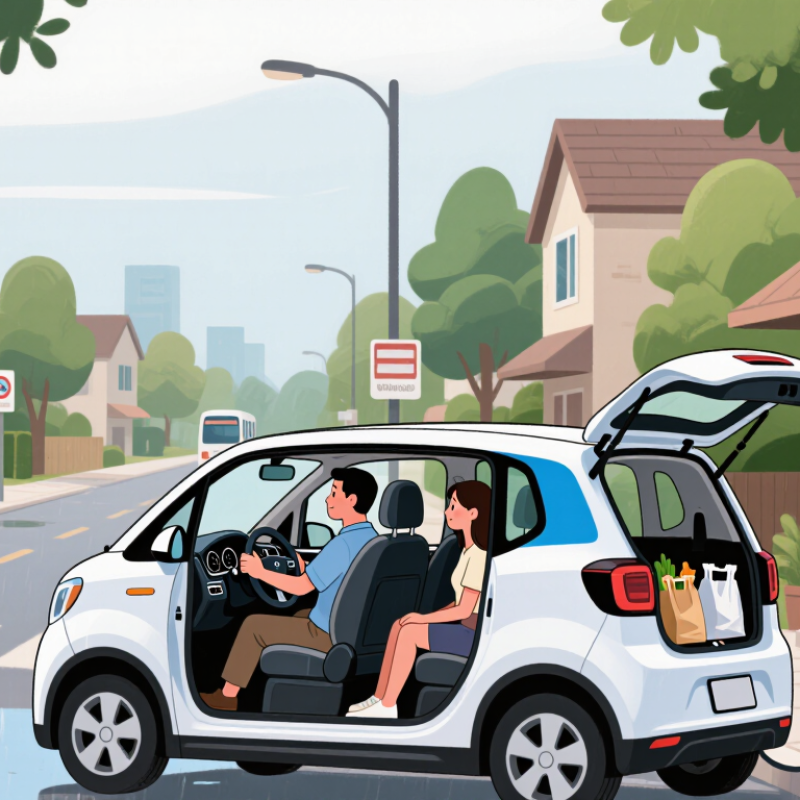
A neighborhood electric vehicle (NEV) is a compact, battery-powered vehicle designed for short trips and low-speed streets. The term is used broadly, so its legal meaning can vary by location.
In the United States, many NEVs fall under the federal low-speed vehicle category. The National Highway Traffic Safety Administration defines these four-wheeled vehicles as having a top speed above 20 mph but no more than 25 mph, and a gross vehicle weight rating below 3,000 pounds. That speed limit shapes their use. They suit local errands, campuses, and residential streets better than fast roads.
Key characteristics include a rechargeable battery, modest acceleration, and a short-range daily-use role. The U.S. Department of Energy’s Alternative Fuels Data Center describes low-speed vehicles as operating on roads with posted limits of 35 mph or less. Typical safety equipment includes headlights, turn signals, mirrors, seat belts, and a windshield; federal standards also specify required equipment.
Small footprint. Easy parking.
Yet range and charging time differ by vehicle and conditions, so buyers should check real-world specifications rather than assume every model covers the same distance. A quiet ride can feel reassuring, though pedestrians may notice it less readily. NEVs are practical for carefully chosen trips, but they are not simply small cars with a plug.
In the United States, a neighborhood electric vehicle is generally regulated as a low-speed vehicle, not simply as a smaller passenger car. Under NHTSA’s Federal Motor Vehicle Safety Standard No. 500, it must have four wheels, a top speed above 20 mph and no more than 25 mph, and a gross vehicle weight rating below 3,000 pounds. That classification determines required equipment, including seat belts, mirrors, lighting, and a parking brake. The numbers matter.
Road access is a separate question. Federal standards do not give every neighborhood electric vehicle unrestricted street access; state and local rules govern where these vehicles may travel. Many jurisdictions limit them to roads with posted speed limits of 35 mph or less, but local requirements can differ. Check the rules for the specific route, not just the vehicle’s registration. A quiet, compact vehicle can feel ready for a wider road. That feeling is not a legal test.
NHTSA recorded 42,514 U.S. traffic deaths in its 2022 Traffic Safety Facts report, a reminder that short trips still involve real road risks. The report is not specific to neighborhood vehicles, so it cannot establish their individual crash risk. Still, their low speed and limited protection make road choice important. Classification tells you what the vehicle is; local rules decide where it can go.
A neighborhood electric vehicle is usually a compact, low-speed vehicle with an enclosed or semi-open cabin, a steering wheel, and room for two to four occupants. Its small footprint suits short local trips, while modest tires and simple interiors help keep the design light. In the United States, NHTSA’s FMVSS No. 500 sets a maximum speed of 25 mph for this vehicle class. The standard also specifies equipment such as headlamps, turn signals, brake lamps, mirrors, seat belts, and a parking brake. The exact layout varies. Some cabins feel more like a small car; others leave occupants exposed to wind and rain.
Safety equipment matters, but it is not a force field. NHTSA reported 42,514 U.S. traffic deaths in its Traffic Safety Facts: 2022 Data report. That figure covers road users broadly, not neighborhood electric vehicles specifically, yet it is a useful reminder that low speed does not eliminate crash risk. A careful buyer should check that belts fit properly, mirrors give a clear view, and lamps remain visible in daylight. Tires and brakes deserve attention, too. I might focus too much on the speed limit when judging these vehicles; visibility, cabin protection, and the roads they share deserve equal thought.
Neighborhood Electric Vehicles are designed for short, lower-speed trips, but permitted roads depend on local rules. In many U.S. communities, they may use streets with posted speed limits of 35 mph or less. Some places set different limits, require registration, or restrict certain routes. Check locally.
A route that looks suitable may still be off-limits. High-speed roads and expressways are commonly restricted. Some jurisdictions allow brief crossings at designated intersections, while others impose extra conditions. Sidewalks and shared-use paths are not automatically permitted; signs and local rules matter. A quiet path beside a park may still be reserved for pedestrians and bicycles.
Before driving, check municipal and state transportation guidance, then follow posted signs. Look for restrictions near bridges, school zones, and busy junctions. A short trip to a nearby shop may involve a road the vehicle cannot use. Plan an alternative, even if it adds a few minutes. Visibility matters, too: drivers may overlook a slower vehicle in fast traffic. That is easy to underestimate.
Neighborhood electric vehicles are built for short trips, not fast highway travel. People use them in planned communities, large campuses, resorts, and quiet residential areas. A grocery run, school drop-off, or trip to a nearby park may fit their intended role. Some workplaces also use them to move staff and supplies across large sites.
The appeal is practical. Electric motors produce no tailpipe exhaust while driving, and charging at home or work can make daily routines simple. Their compact size helps with parking, while low-speed operation can feel less stressful on familiar streets. Quiet, too. Still, low energy use does not mean every trip is effortless: cold weather, hills, heavy loads, and frequent stops may reduce usable range.
Limitations matter most when routes get longer or faster. These vehicles generally cannot keep pace with ordinary traffic, and their cabin space may not suit a family or bulky shopping. Protection and comfort can also be more limited than in a conventional car, especially in rain or winter. Before relying on one, check local road rules, charging access, and the actual route. A short test drive can reveal awkward turns or rough pavement; specifications alone may not.
It is a compact, battery-powered vehicle made for short trips and lower-speed streets. It is not simply a small car.
It can travel above 20 mph, up to 25 mph. Its weight rating is generally below 3,000 pounds.
Common features include seat belts, mirrors, headlights, turn signals, and a windshield. Check the specific vehicle.
Range varies by vehicle and conditions. Check real-world figures; don’t assume every model reaches the same distance.
Many communities allow these vehicles on streets posted at 35 mph or less. Check locally.
High-speed roads and expressways are commonly restricted. Paths and sidewalks may have separate rules, so check signs before using them.
Drivers may overlook a slower, quiet vehicle in faster traffic. That assumption can fail.
Check the route for busy junctions, bridges, and school zones. A nearby shop may require a different route. I might underestimate that detour.
A Neighborhood Electric Vehicle is a compact, battery-powered vehicle designed for short trips and low-speed travel. It typically carries a small number of passengers and has a limited top speed compared with a conventional car. Depending on local rules, it may be classified as a low-speed vehicle or another vehicle category, with requirements for registration, equipment, and road use varying by location.
Most models feature basic road-safety equipment, such as lights, mirrors, seat belts, and turn signals. They may be permitted on certain streets, but access can depend on posted speed limits and local regulations. Common uses include getting around residential areas, campuses, and nearby shopping districts. Their small size, quiet operation, and lower energy use can make them practical for short journeys, while limited speed, range, passenger capacity, and weather protection make them less suitable for long trips or high-speed roads.