Choosing the right 4 Passenger Electric Golf Cart involves more than comparing colors, prices, and advertised range. A reliable cart should match your daily routes, passenger needs, storage space, and local terrain. A short trip across a flat neighborhood differs greatly from climbing wet, uneven paths. Battery capacity, motor output, braking performance, suspension, and charging time deserve careful attention.
Start with real use.
Picture four adults seated inside, carrying groceries, beach chairs, or small tools. The cart should remain stable without feeling sluggish. Check the seat dimensions, legroom, roof height, turning radius, and available storage. Lithium batteries may offer lighter weight and faster charging, while lead-acid batteries can reduce the initial purchase price. However, replacement costs and maintenance may change the long-term value. Manufacturer specifications are useful, but independent reviews and dealer service records can reveal practical weaknesses.
A test drive matters more than polished photographs. Listen for unusual motor noise, test the brakes on a gentle slope, and inspect wiring, tires, lights, and battery connections. Ask whether replacement parts are readily available and whether trained technicians support the model. Some carts look powerful but struggle when fully loaded. That detail is easy to miss. Buyers should also confirm applicable local requirements for permitted roads, lighting, speed, and safety equipment. No single 4 Passenger Electric Golf Cart suits every household. A careful choice balances comfort, performance, safety, ownership costs, and honest expectations._久久爱
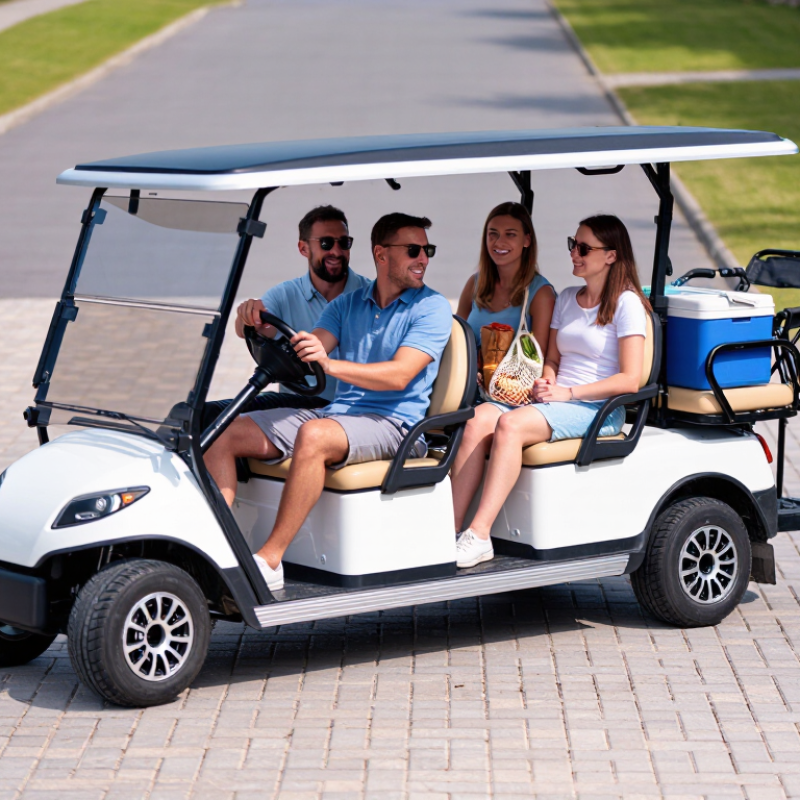
Choosing the best four-passenger electric golf cart starts with its passenger layout. Two forward-facing seats provide a familiar ride, while rear-facing seats can keep the body shorter. Check legroom, handrails, seat cushions, and entry height in person. Small details matter. Passengers should step in comfortably without catching their shoes on supports. A strong roof, secure seat belts, and useful side rails also improve confidence during daily travel.
Battery capacity affects range, weight, charging time, and maintenance. Ask for a realistic range with four adults, hills, stop-and-go driving, and warm weather. Do not trust a flat-road estimate. Lithium batteries usually weigh less and charge efficiently, while lead-acid batteries may cost less initially but need more care. The battery compartment should stay dry and allow safe inspection. I would check the charger connection and charging instructions before making a decision.
During a test drive, pay attention to braking, steering response, suspension movement, and turning stability. Drive slowly over a gentle slope with passengers aboard. Test it loaded. The motor should climb without harsh noise or sudden power loss. Headlights, brake lights, mirrors, windshield protection, and a dependable parking brake are practical features, not decoration. Weather covers help, although they can reduce visibility and become noisy in strong wind. No cart is perfect. Buyers often focus on appearance and overlook suspension comfort, which may matter more after several months of use.
Choosing the best four-passenger electric golf cart starts with real seating needs. Four seats do not always mean four adults will ride comfortably. Check the seat width, backrest height, legroom, and foot placement. A family with tall passengers may need deeper benches and more space between seat rows.
Measure the cart before buying. Confirm its overall length, width, turning radius, and storage requirements. A few extra inches can make garage parking difficult. Review the stated weight capacity carefully. Include passengers, batteries, tools, groceries, and any rear cargo. Do not confuse vehicle weight with payload capacity. A useful safety margin matters, especially on slopes or uneven paths.
Comfort depends on more than cushions. During a test ride, notice body movement over rough ground. Check the steering effort, brake response, suspension, and noise level. Passengers should enter without twisting sharply or stepping over awkward obstacles.
Protective side panels and a stable handhold can improve confidence. Still, some carts advertise four-person capacity while offering limited shoulder room. That detail is easy to miss.
Measure twice. Test every seat.
Battery placement can affect floor height and balance. Ask for clear specifications, maintenance requirements, and charging guidance from qualified sellers. I have seen buyers focus on appearance and overlook rear-seat vibration. That choice often becomes frustrating after regular use. A careful assessment may feel slower, but it reveals practical weaknesses before they become expensive problems.
How to Choose the Best 4 Passenger Electric Golf Cart?
Battery choice shapes the cart’s weight, range, and daily upkeep. Lead-acid batteries usually cost less initially, but they are heavy and need regular water checks. Their performance may drop on hills or with four adults aboard. Lithium batteries weigh less and often provide steadier power. They also recharge faster, although their higher purchase price deserves careful consideration. I would not choose lithium automatically. The right option depends on usage, storage, and budget.
Driving range figures can look impressive, but real conditions tell a different story. A cart carrying four passengers, climbing slopes, or traveling over grass will use more energy. Cold weather can reduce usable capacity as well. During a practical test, drive the route you expect to use. Check whether the cart still feels responsive near the end of the trip. Published range is only an estimate.
Charging requirements deserve equal attention. Confirm the charger matches the battery chemistry and voltage. A standard overnight charge may suit lead-acid batteries, while lithium systems often finish sooner. Keep the cart near a safe, dry outlet with enough ventilation. Never ignore unusual heat, swelling, or damaged cables. I have found that charging convenience can matter more than a small range advantage. A charger that is difficult to access may quietly become a daily frustration.
Motor performance shapes how a four-passenger electric golf cart handles real terrain. Check the motor’s rated power, torque delivery, and controller response, not just its top speed. A strong system should climb a moderate slope without sudden surging or excessive heat. Test it loaded. Four adults change acceleration and braking noticeably. During a drive, watch for hesitation when starting, uneven power, or a burning electrical smell. These signs may indicate poor calibration, weak battery capacity, or inadequate cooling.
Safety systems deserve close attention. Look for dependable hydraulic or mechanical brakes, seat belts for every passenger, bright headlights, brake lights, indicators, mirrors, and a clear reverse warning. A stable parking brake matters on sloped ground. Confirm that the frame feels rigid when turning slowly, since excessive body movement can unsettle passengers. Small details matter. Ask how the battery compartment is protected and whether essential components can be inspected easily. Specifications are useful, but careful physical checks are more reliable.
Ride quality depends on suspension design, tire condition, seating support, and weight distribution. Drive over a paved seam, a shallow bump, and a compact gravel path. Listen for vibration. The cart should absorb impacts without repeated bouncing or sharp steering feedback. Excessively soft suspension may feel comfortable at low speed but become unstable during turns. Firm suspension can improve control, yet it may transmit every rough surface to the rear passengers. I would not judge comfort from a showroom seat alone. A longer test with four people often reveals awkward legroom, limited shoulder space, or weak rear support.
A balanced evaluation should consider motor output, usable battery capacity, driving range, payload capacity, and braking distance. The chart compares three representative 48-volt electric cart configurations using common industry specification ranges.
Higher motor power and battery capacity generally improve hill-climbing and sustained performance. Range depends on load, terrain, speed, temperature, tire pressure, and battery condition. Stopping distance is shown as a lower-is-better safety measure.
Choosing the best four-passenger electric golf cart starts with local legal requirements. Rules differ between private communities, golf facilities, and public roads. Check speed limits, registration, insurance, lighting, mirrors, seat belts, and approved safety equipment. Some areas require a vehicle identification number and a driving permit. Ask the local transport office before paying a deposit. A seller’s verbal promise is not enough.
Maintenance affects both safety and long-term cost. During an inspection, test the brakes, steering, suspension, tires, lights, and reverse alarm. Check the battery compartment for corrosion or loose connections. Lead-acid batteries need regular water checks, while lithium systems require compatible chargers and protection circuits. Keep charging contacts dry. Service intervals should be written in the owner’s manual. I once underestimated tire wear because the cart was used only on smooth paths. That assumption was wrong.
Calculate the total cost over several years, not just the purchase price. Include delivery, registration, insurance, charging electricity, storage, accessories, and battery replacement. A cheaper cart may need new batteries sooner. A more efficient cart may cost less during daily use. Ask for maintenance records and battery age. Compare realistic yearly expenses. Leave room for repairs. Even careful estimates can miss an unexpected charger failure. A simple cost sheet makes those gaps easier to notice.
Measure seat width, backrest height, legroom, and foot placement. Four seats may still feel cramped. Test every seat.
Check overall length, width, turning radius, and storage space. A few extra inches may block your garage door.
Include passengers, batteries, tools, groceries, and rear cargo. Do not confuse vehicle weight with payload capacity. Keep a safety margin.
Check steering effort, brake response, suspension, noise, and passenger movement. Rough ground reveals weaknesses. Rear-seat vibration is easy to overlook.
Stable handholds, protective side panels, and easy entry help passengers. Avoid carts requiring sharp twisting or awkward stepping.
Ask the local transport office about speed limits, registration, insurance, lights, mirrors, belts, and permits. Verbal promises are not enough.
Battery placement can change floor height and balance. Lead-acid batteries need water checks. Other systems require compatible chargers and protection circuits.
Test brakes, steering, suspension, tires, lights, and the reverse alarm. Inspect the battery compartment for corrosion or loose connections.
Include delivery, registration, insurance, electricity, storage, accessories, repairs, and battery replacement. A cheaper cart may cost more later.
They focus on appearance and smooth paths. That can hide tire wear, charger problems, or uncomfortable vibration. My own assumption was wrong.
Choosing the right 4 Passenger Electric Golf Cart starts with evaluating how well it matches your daily transportation needs. Consider the seating layout, overall dimensions, weight capacity, legroom, and cushioning to ensure all passengers can ride comfortably. Battery type is also important, as it affects driving range, charging time, lifespan, and operating convenience. Compare these factors with your typical travel distance and access to charging facilities.
Motor performance should provide smooth acceleration and enough power for hills or uneven paths, while reliable brakes, lights, seat belts, mirrors, and other safety features improve confidence during every ride. A stable suspension system and quiet operation can further enhance ride quality. Before purchasing, check local requirements for using the vehicle, and estimate ongoing costs such as maintenance, battery replacement, charging, insurance, and storage. The best choice is one that balances comfort, performance, safety, practicality, and long-term value.