Global Fleet Intelligence Future Procurement Trends: 2026–2030 Global Outlook for Electric Golf Carts & LSVs
As international municipal regulations tighten and luxury commercial resorts expand, B2B importers must stay ahead of key technological and regulatory developments shaping the light electric vehicle market:
1. Mandatory Transition to 4-Wheel Hydraulic Disc Brakes for LSV / NEV Compliance
Globally, transportation authorities in North America, Europe, Australia, and the Middle East are reclassifying golf carts used on public roads as Low-Speed Vehicles (LSVs) or Neighborhood Electric Vehicles (NEVs). Standard safety mandates now frequently require DOT-approved safety glass windscreens, 3-point seat belts, illuminated signaling, and most importantly, four-wheel braking systems. Fleets equipped only with 2-wheel rear drum brakes face increasing registration hurdles and potential liability exposure. In response, global importers are standardizing 4 wheel disc brake golf carts across all future procurement contracts.
2. High-Voltage 72V Lithium Replacing Legacy 48V Lead-Acid Batteries
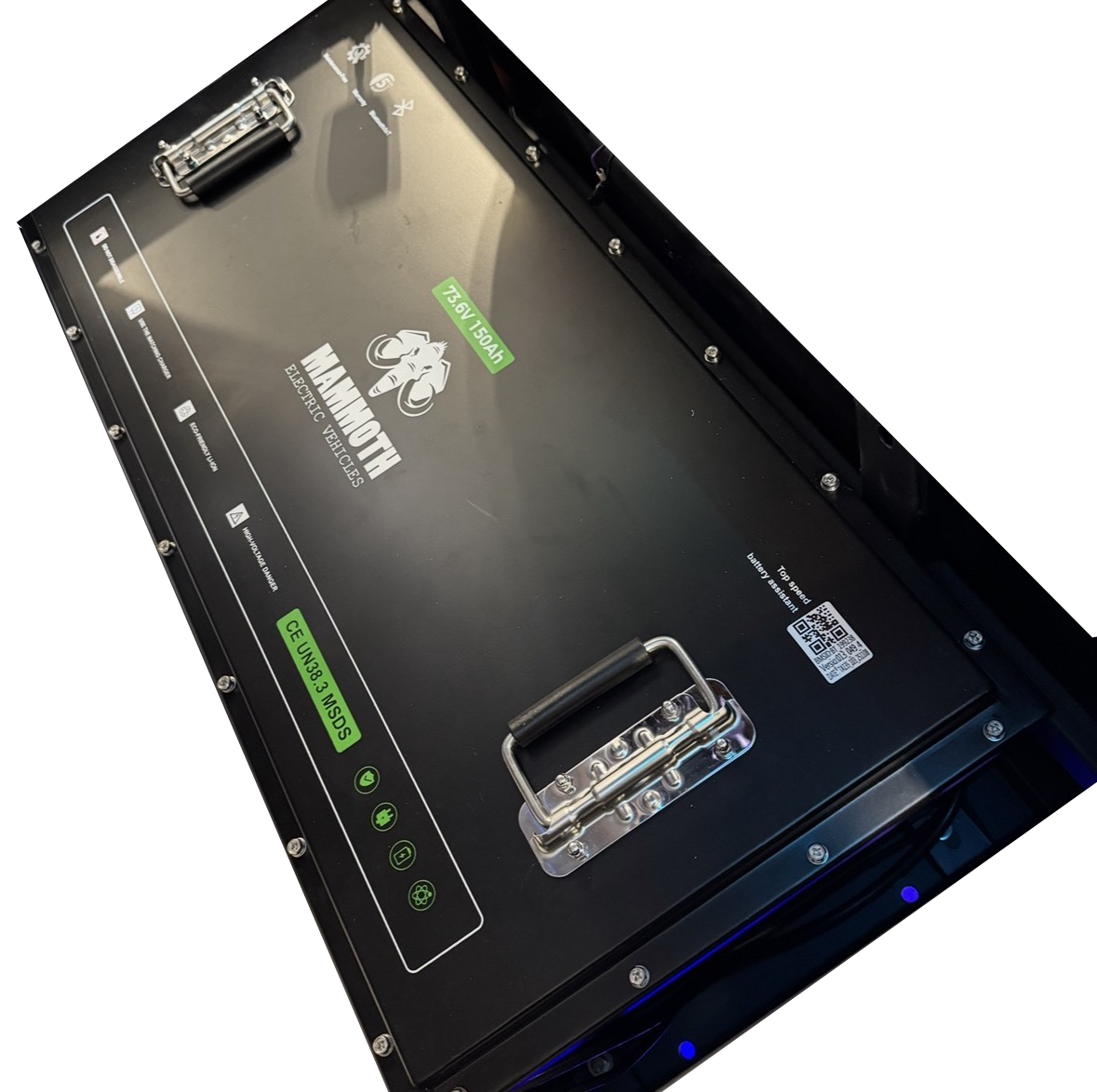
Commercial fleet operators are abandoning 48V lead-acid batteries due to their short 2-year service life, hazardous acid spills, weight penalties, and daily terminal maintenance. Modern 72V 150Ah LiFePO4 (Lithium Iron Phosphate) platforms offer 3,500+ charge cycles, rapid charging capabilities, and consistent voltage delivery throughout the entire discharge cycle. When combined with 4-wheel disc brakes, 72V carts offer unmatched operating efficiency and lower overall lifecycle operating costs.
3. Smart Telemetry, App Tuning, and Remote Diagnostics
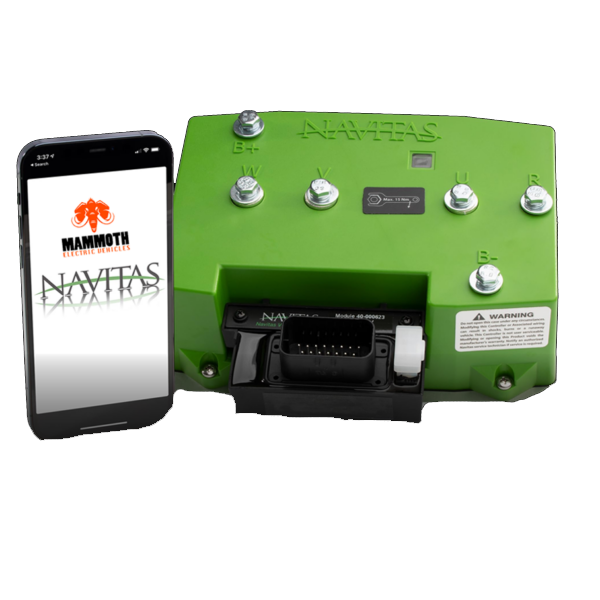
Fleet operators and rental companies now demand real-time visibility into vehicle location, battery State of Charge (SOC), throttle tuning, and brake usage diagnostics. MammothEV's integration of Navitas Bluetooth smart controllers allows technicians to adjust top speed, acceleration curves, and regenerative braking power directly from a mobile device or fleet portal, streamlining fleet management across large resorts.
4. Decarbonization and Low Total Cost of Ownership (TCO) in Hospitality
Resorts, golf clubs, and industrial campuses are accelerating zero-emission sustainability initiatives. Transitioning from gas-powered utility carts or high-maintenance lead-acid units to 72V lithium 4 wheel disc brake golf carts slashes monthly maintenance expenses by up to 70%, eliminates engine oil/belt servicing, and ensures zero noise pollution in guest areas.